India to US lawmaker: FCRA is internal matter, Parliament will decide
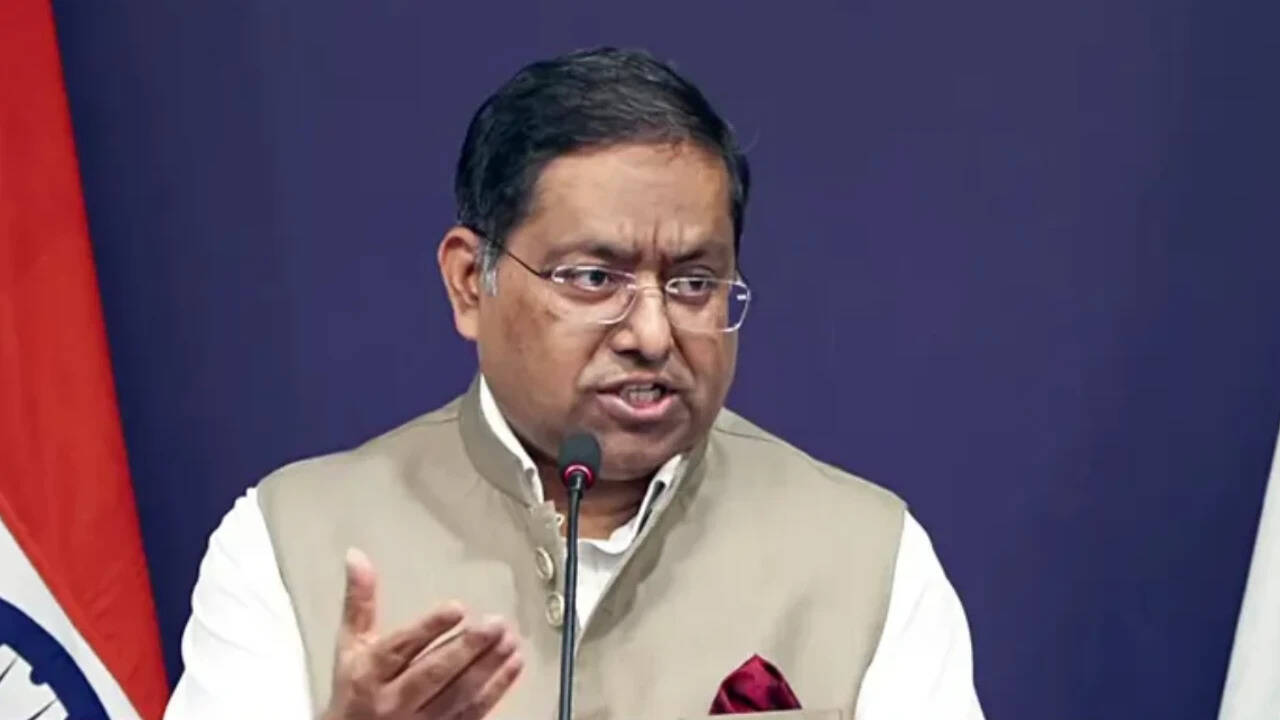
New Delhi: The Ministry of External Affairs (MEA) on Friday rejected criticism of India's foreign funding law, asserting that legislative matters are an internal affair and that Parliament will take a decision on the proposed amendments.
"Regarding the issue you are referring to, we have seen it, and several comments have been made on it. As far as legislative matters are concerned, and particularly matters relating to India's own legislation, this is an internal matter for us, on which our Parliament takes the decision," MEA spokesperson Randhir Jaiswal said during a bi-weekly media briefing.
Jaiswal also noted that several countries, including the United States, regulate foreign funds and foreign financing. "I would also like to tell you that there are several countries in the world, including the United States, that regulate foreign funds and foreign financing," he added.
The remarks came days after US Congressman Riley Moore criticised the proposed amendments to India's Foreign Contribution (Regulation) Act (FCRA), alleging that they could enable the government to take over churches and religious charities. In a post on X, the Republican lawmaker from West Virginia said the changes amounted to "a clear attack against Christians" and warned that the issue could affect India-US ties.
Moore pointed to the long history of Christianity in India, dating back to the arrival of St Thomas the Apostle on the Malabar Coast. He urged India not to proceed with the legislation in its current form.
The Foreign Contribution (Regulation) Amendment Bill, 2026 proposes the creation of a Designated Authority to take over the management of foreign contributions and assets created using such funds if an organisation's FCRA registration is cancelled, surrendered or lapses after not being renewed. The Bill specifies that where such assets include a place of worship, the Designated Authority must ensure its religious character is preserved.
The Bill also proposes reducing the maximum punishment for violations of the Act from five years' imprisonment to one year. This change has been noted by legal observers as a softer approach to penalties compared with the existing law.
The FCRA regulates the receipt and utilisation of foreign contributions by NGOs, charitable trusts, educational institutions, religious bodies and other associations. It was first enacted in 1976 and has been amended several times to tighten oversight of foreign funding. Supporters of the law argue that it helps prevent foreign interference in India's affairs, while critics contend that it places undue restrictions on civil society and religious organisations.
The proposed amendments have sparked debate among various groups in India. Some religious and civil society organisations have expressed concern about the potential for government takeover of assets, while others have welcomed the changes as a move towards greater accountability and transparency in the use of foreign funds.
The legislative process in India requires that a Bill, once introduced in Parliament, may be scrutinised by a parliamentary committee before it is debated and voted upon. The FCRA Amendment Bill has yet to be taken up for discussion.
According to the Ministry of Home Affairs, 13,520 organisations received foreign contributions worth Rs 55,741 crore between 2019 and 2022. Government data shows that as of July 15, 2026, there were 14,449 active FCRA registrations, while 22,498 had been cancelled and another 15,212 had expired.
The MEA's response underscores India's consistent position that foreign interference in domestic legislative processes is unacceptable. The government has previously emphasised that every country has the right to regulate foreign contributions within its own jurisdiction. The Bill is currently pending consideration in Parliament, and no timeline for its passage has been announced.