Congress Invokes 'Kya Hua Tera Vada' to Press Centre on Food Price Rise

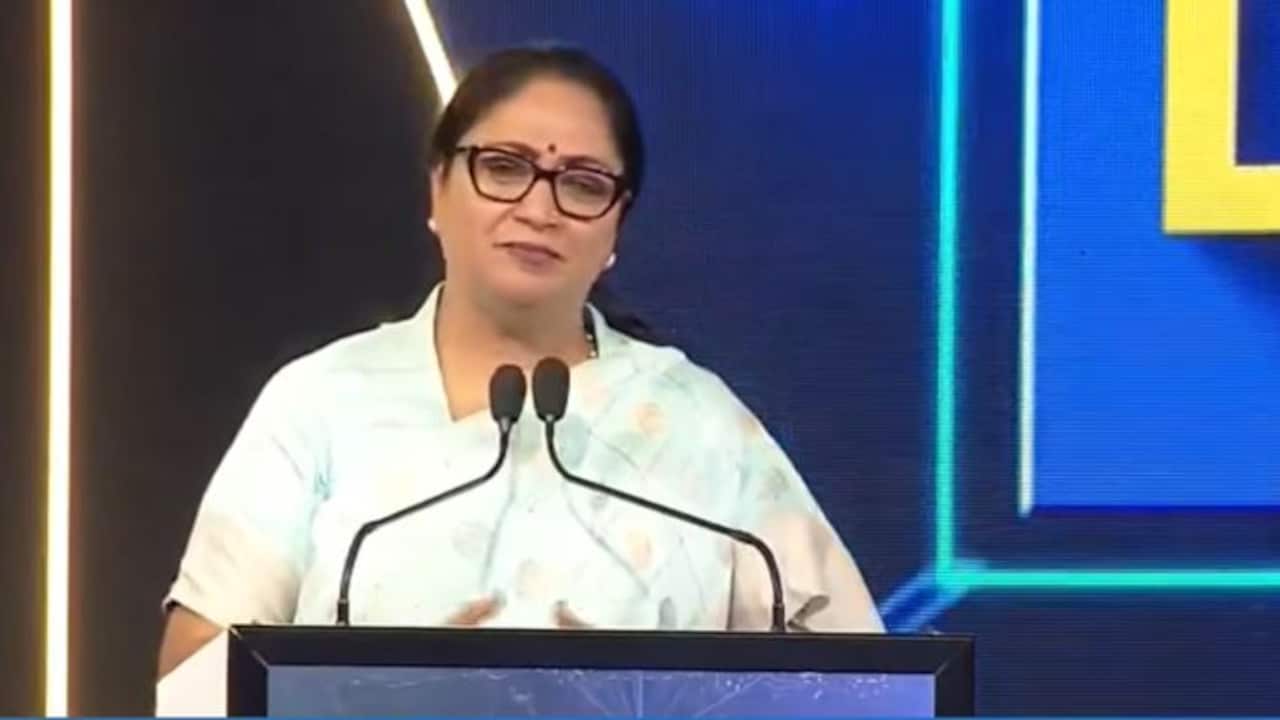
The Congress on Monday criticised the Union government over the rising prices of essential food items, with party general secretary in charge of communications Jairam Ramesh invoking a 1977 Hindi film song to question Prime Minister Narendra Modi's silence on inflation.
In a post in Hindi, Mr. Ramesh shared a media report which claimed that surges in the prices of food items, pulses and cooking oil had disrupted household budgets. He said the rising cost of daily-use commodities was making life difficult for ordinary people.
Citing the report, he listed the increases: spice prices had risen by 10% to 25% over the past month. Green cardamom had gone from ₹4,000 to ₹4,400 a kg, black cardamom from ₹2,400 to ₹2,800, cumin from ₹360 to ₹400, and mace from ₹2,500 to ₹3,000.
Among pulses, arhar dal had risen from ₹100 to ₹130 a kg, chana dal from ₹70 to ₹100, and urad from ₹120 to ₹140. Mustard oil had moved from ₹190 to ₹210 a litre, and Saffola oil from ₹240 to ₹280, he said.
Mr. Ramesh also pointed to onion prices. Between June and September, he said, the all-India average retail price of onions rose from ₹29.50 a kg to ₹53.78 a kg — an increase of 82.3% in about three and a half months.
He said pulses and essential food items were becoming out of reach in poor households. "But the Prime Minister remains silent on inflation. The country is asking, 'Where have the achche din gone?'" he said.
Mr. Ramesh then quoted the lyrics of the song "Kya hua tera vada" from the film Hum Kisise Kum Nahin (1977), asking where the promises had gone. He said the government should take strict measures against the price rise and provide relief to the common people.
The Congress has repeatedly raised the issue of rising prices and accused the government of pursuing "anti-people" policies.
The government's position
The government has dismissed the Opposition's claims and pointed to India's GDP growth numbers. Gross Domestic Product measures the total value of goods and services produced in the economy over a period; it does not, by itself, indicate the level of retail prices faced by households.
Retail inflation in India is tracked through the Consumer Price Index, published every month by the National Statistical Office. Under the Reserve Bank of India's monetary policy framework, the central bank is required to keep retail inflation at 4%, with a tolerance band of two percentage points on either side.
Food and beverages carry a large weight in the CPI basket, which is why sharp movements in vegetable, pulse and edible oil prices often drive headline retail inflation. For poorer households, which spend a larger share of their income on food, such increases place a heavier burden than the headline number suggests.
The commodity prices cited by Mr. Ramesh come from a media report and have not been independently verified. The government has not issued a detailed response to the specific figures quoted.
Price rise is a politically sensitive subject in India, and food inflation in particular affects household budgets across income groups. Both the ruling party and the Opposition have made it a central theme of their public messaging.