India Rejects Pakistani Flood Claims, Cites Heavy Rain for Chenab River Rise
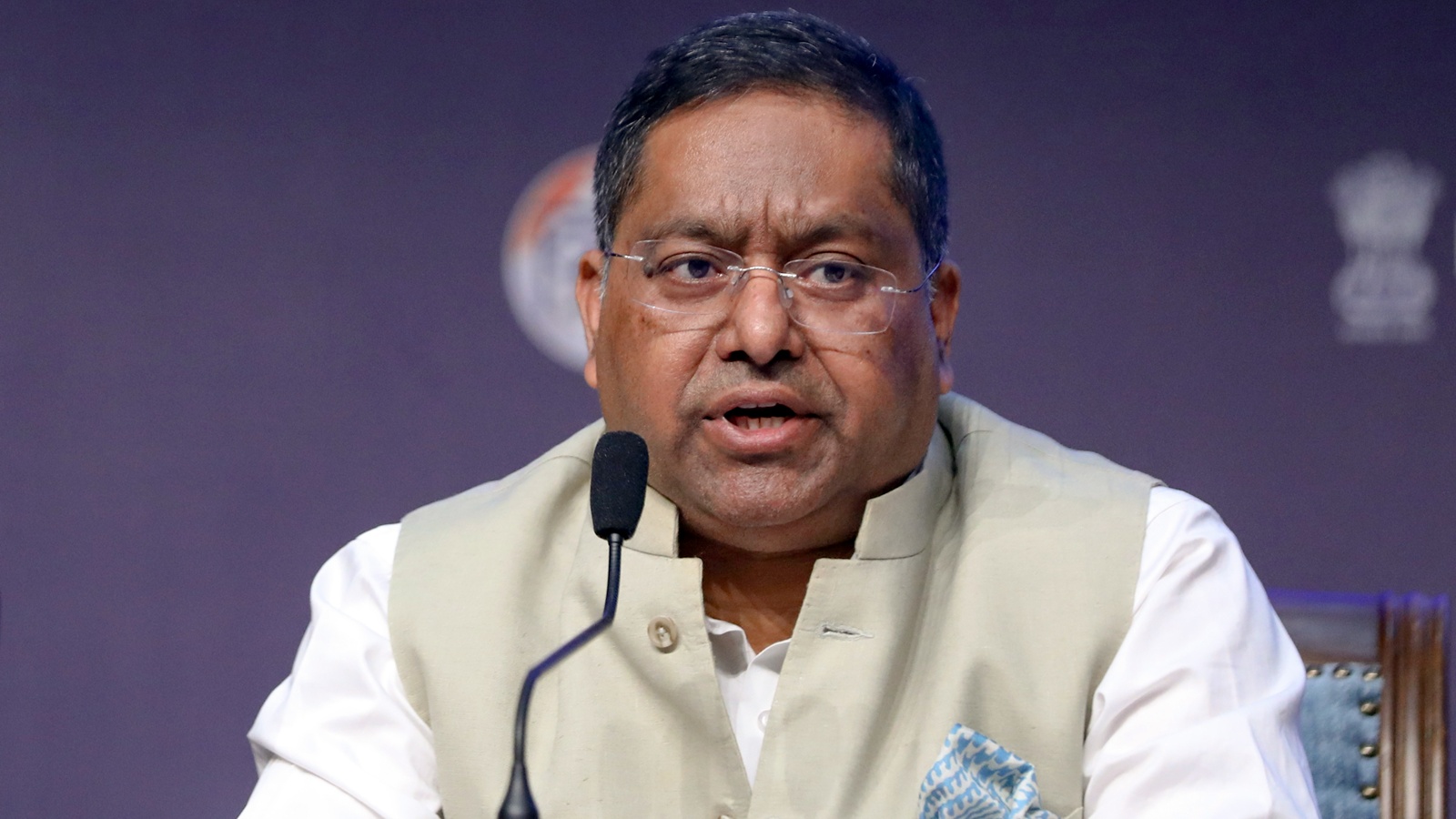
The Ministry of External Affairs (MEA) on Friday dismissed as 'baseless' allegations from Pakistan that India was deliberately causing flooding in the country, where at least 37 people have died in rain-related incidents. Official spokesperson Randhir Jaiswal clarified that the recent increase in water levels in the Chenab River was due to intense monsoon rainfall over the Jammu region and its catchment areas.
At a weekly briefing, Jaiswal stated, 'Pakistani media reports alleging that India is deliberately causing flooding is baseless and contrary to the facts. The recent increase in flows in the River Chenab is a direct consequence of intense monsoon rainfall over Jammu and adjoining catchment areas during 20–23 July.' He did not specify the year, but data from the India Meteorological Department confirms heavy to very heavy rainfall in the region during that period.
The Chenab River originates in the Indian union territory of Jammu and Kashmir and flows into Pakistan, where it joins the Indus River system. Both countries share the waters under the Indus Waters Treaty, which governs the use of transboundary rivers. The treaty allows India to use the waters of the eastern rivers (Ravi, Beas, Sutlej) and Pakistan to use the western rivers (Indus, Jhelum, Chenab).
Pakistan's National Disaster Management Authority reported that at least 37 people have died since 20 July due to flash floods and landslides triggered by heavy monsoon rains in Khyber Pakhtunkhwa, Gilgit-Baltistan, and Punjab provinces. The rains have also damaged crops, livestock, and infrastructure, with dozens of houses destroyed.
In response to Pakistan's allegations, the MEA spokesperson reiterated India's commitment to the Indus Waters Treaty and said that India operates its dams and water infrastructure transparently. 'India has always acted in accordance with the provisions of the Indus Waters Treaty. Any suggestion of deliberate flooding is unfounded and an attempt to divert attention from the actual cause — the natural monsoon weather pattern,' Jaiswal added.
India and Pakistan have a history of tensions over water sharing, with each side accusing the other of violating the treaty. However, technical-level discussions and exchanges of data are routine under the treaty's mechanism. The latest exchange highlights how natural weather events can be politicized in the context of bilateral relations.
Observers note that while the monsoon season often brings heavy rains to the region, the intensity this year has been exceptional. Climate scientists attribute the extreme rainfall to a combination of a strong monsoon trough and climate change, which is increasing the frequency of extreme weather events in South Asia.
As of 26 July, water levels in the Chenab have begun receding, but both countries remain on alert for further rain. India has offered no additional assistance to Pakistan, but the MEA expressed condolences for the loss of life in the neighboring country.