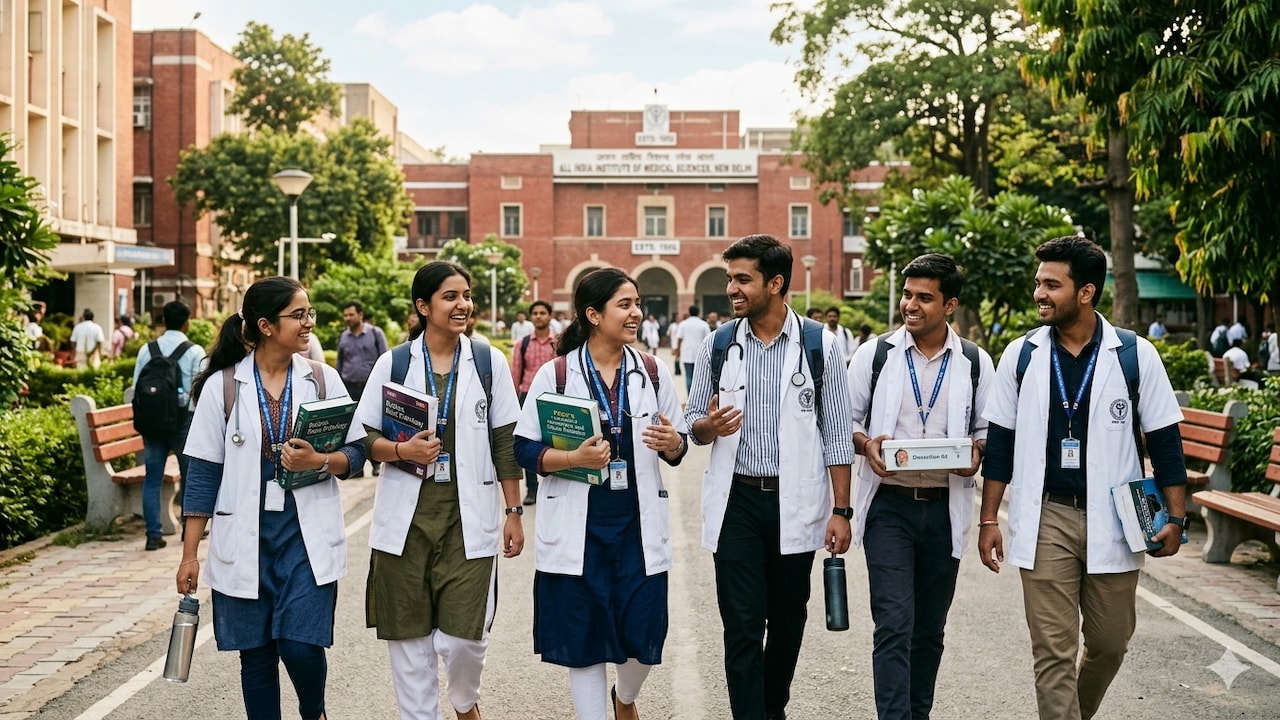
India Drives 85% of Philips' AI Healthcare Solutions, Says Report
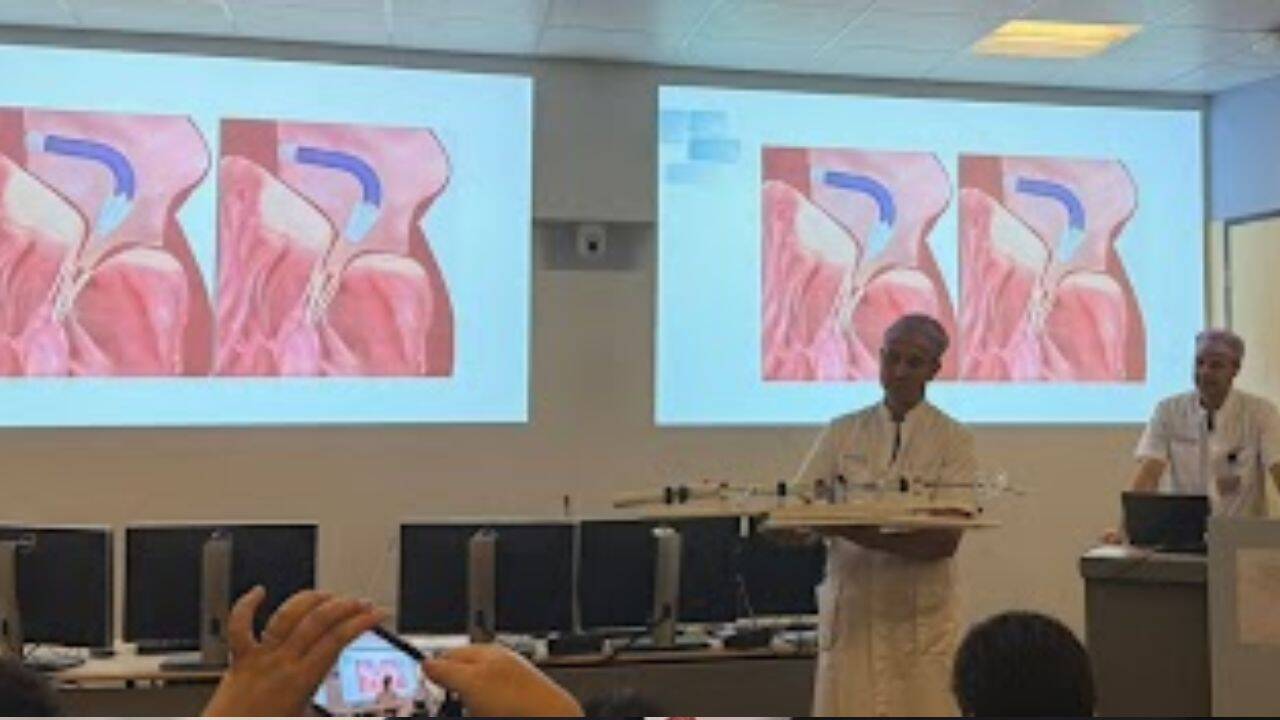
AMSTERDAM: India has become the development hub for over 85% of Philips' artificial intelligence (AI) healthcare solutions, according to a company announcement. The Netherlands-based health technology firm said its Bengaluru innovation campus is now its largest research and development centre globally, employing thousands of engineers working on AI-enabled medical technologies for both Indian and international markets.
Özlem Fidanci, Chief of the International Region at Philips, said India's talent pool, digital capabilities, and innovation ecosystem have made it central to the company's global AI strategy. “The biggest opportunity lies in combining data, AI, intelligent software, and hardware into integrated solutions that improve productivity across the healthcare system,” she said.
The focus on AI comes as India continues to face significant gaps in access to advanced diagnostic services such as MRI and CT scans, particularly outside major cities. Fidanci noted that the challenge is not a single bottleneck like cost or manpower but a combination of infrastructure, financing, skilled professionals, and technology.
Philips is deploying AI-enabled MRI systems in Indian hospitals that can reduce scan times by up to three times while improving image resolution by as much as 65%. This allows hospitals to examine more patients using the same infrastructure. Workflow automation also helps reduce bottlenecks across the patient imaging journey, improving efficiency in resource-constrained settings.
Patrick Mans, Global Head of Data and AI at Philips, said AI is already delivering measurable gains in healthcare. “Our Future Health Index shows that 71% of clinicians report improved workflow efficiency through AI, while nearly half say it has increased their capacity to see more patients,” he said. He added that AI is helping automate routine administrative work and assisting clinicians in interpreting medical images, while clinical decisions remain with doctors.
Addressing concerns that AI could replace healthcare workers, Fidanci said the technology is designed to augment, not substitute, doctors, nurses, and technicians by reducing repetitive tasks and allowing them to spend more time with patients. Philips trained more than 1,000 healthcare professionals in India over the past year to work alongside AI-enabled technologies.
The company is also partnering with Bajaj Integrated Health System to build a connected digital healthcare ecosystem in India. It expects AI-enabled diagnostics to play an increasingly important role in expanding access to quality healthcare beyond metropolitan centres.
India's role as a global hub for AI healthcare innovation reflects broader trends in medical technology, where the country is becoming a key player in software development and engineering talent. The announcement underscores the potential for AI to address critical healthcare challenges in emerging economies.