India-China Strategic Economic Dialogue: Calls for Resumption Gain Momentum
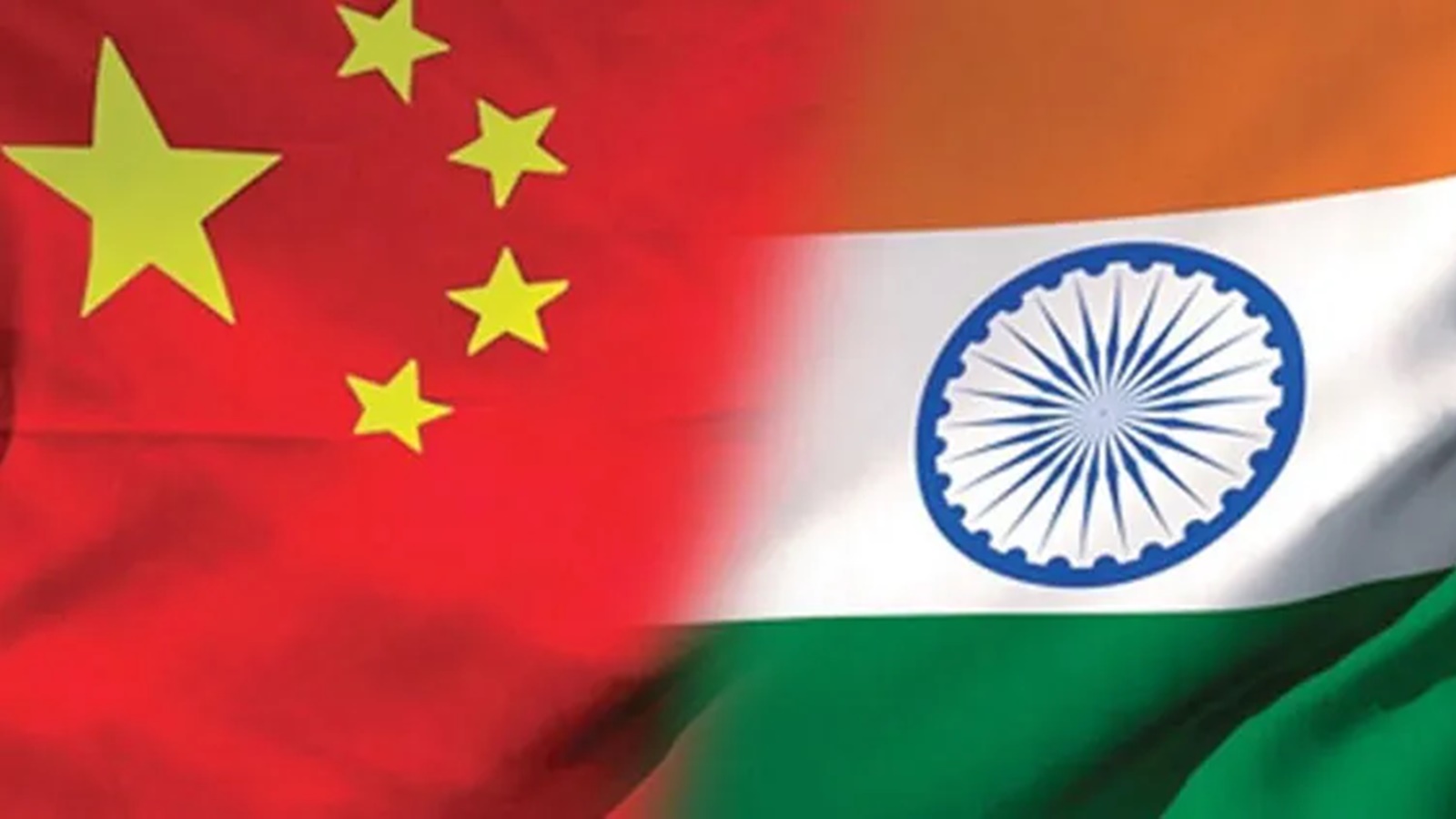
Last week in New Delhi, India's National Security Advisor Ajit Doval told Chinese Foreign Minister Wang Yi, “India and China are partners, not rivals,” adding that “a stable India-China relationship serves the common interests of both sides.” Wang echoed these sentiments, suggesting that both sides should “respect each other’s core interests, properly handle sensitive issues, place the China-India boundary issue in its appropriate position, and prevent it from affecting the overall situation of bilateral relations.”
Wang then called for both sides “to accelerate the resumption of dialogue mechanisms and promote exchanges” in trade, finance, and other fields. This suggestion comes at a time when India-China relations have shown signs of thaw after a prolonged standoff along the Line of Actual Control (LAC) that began in 2020.
Fifteen years ago, during a period of relative stability in bilateral ties, then Prime Ministers Manmohan Singh and Wen Jiabao agreed to launch a bilateral strategic economic dialogue. The Indian delegation was initially headed by the Deputy Chairman of the Planning Commission, and later by the Deputy Chairman of the NITI Aayog. Between 2011 and 2019, six meetings of this dialogue were convened. However, after 2019, the dialogue remained suspended, and no further sessions have taken place.
The strategic economic dialogue was designed to improve macroeconomic policy coordination, promote exchanges on economic issues, and enhance India-China economic cooperation. Working groups were established on a wide range of subjects, including energy, infrastructure, pharmaceuticals, high technology, resource conservation, and environmental protection. Following the 2020 clashes along the LAC, this dialogue was suspended.
India's primary concern in the bilateral economic relationship remains the wide and growing trade deficit. Chinese mercantilist policies have been a point of contention. In the current global context, with the United States under President Donald Trump imposing trade measures that have affected both China and India, there is renewed interest in economic cooperation among Asian economies.
Analysts note that the resumption of the strategic economic dialogue could help address India's developmental priorities, including building industrial capacity and ensuring energy security. China and India, both major energy consumers, have a shared interest in stabilising energy supplies and exploring non-traditional energy sources.
While the border issue remains a core concern, both sides have shown willingness to prevent it from dominating the overall relationship. The recent interactions at military, security, and diplomatic levels signal a desire to manage differences while expanding cooperation in other areas.
The proposal to resume the strategic economic dialogue is being viewed as a step towards broadening the bilateral engagement beyond geopolitical differences. Whether the leaderships of both countries can resolve their border disagreements remains unclear, but there is recognition that economic collaboration serves mutual interests.







