INDIA Bloc Leaders Meet Today Over Voter Roll Revision, Demand for CEC's Resignation
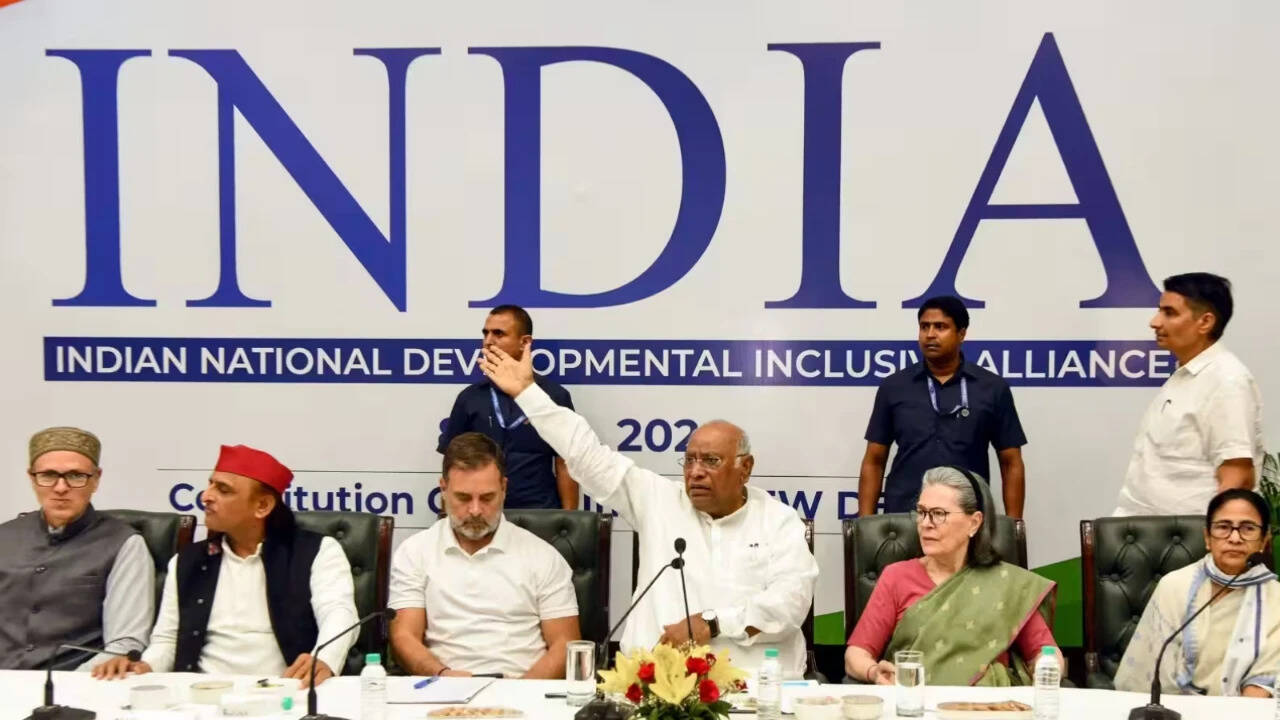
Leaders of the opposition INDIA bloc, including Congress president Mallikarjun Kharge, will meet through video conferencing on Thursday to coordinate their response to the Election Commission's handling of electoral roll revision and what they describe as irregularities in the Special Intensive Revision (SIR) exercise. The virtual huddle is expected to firm up the alliance's next steps on the issue.
According to details shared by the bloc, the agenda covers the controversy over Chief Election Commissioner Gyanesh Kumar, whom opposition parties have accused of irregularities in the conduct of the revision and whose resignation they have demanded. The leaders are also expected to take stock of complaints reported during the SIR, a process in which electoral rolls are revised area by area, with booth-level officers visiting households to verify that electors on the list exist and are eligible.
The bloc has already submitted a memorandum setting out its demands on the issue, and has said it will continue its campaign against what it calls threats to democratic institutions. Thursday's meeting is being seen as part of that effort, with leaders likely to decide whether to take the matter to the streets, to the courts, or to other constitutional authorities.
The Special Intensive Revision has drawn scrutiny from several opposition parties, which have raised concerns about the scale of deletions from the rolls, compressed timelines and the documentary burden placed on ordinary voters. Their stated worry is that genuine electors, particularly in poorer and marginalised households, could find their names struck off and lose the right to vote. They have also questioned the transparency of the process and the extent of information shared with political parties at each stage.
The Election Commission has maintained that such revision exercises are carried out under established procedure and are intended to remove duplicate, deceased and shifted entries so that the rolls reflect current electors. It has urged voters to check their names on the rolls and to use the grievance mechanisms available to them if they find errors.
Both the allegations against the Chief Election Commissioner and the complaints about the revision are contested. The opposition's charges are its own, and the Commission has defended the process as routine and procedural. Readers should note that claims made by either side at this stage are assertions rather than established findings.
It is not yet publicly known which leaders will attend Thursday's meeting, nor whether the bloc will issue a joint statement afterwards. The alliance has held a series of such coordination meetings in recent months as it seeks a common position on electoral and institutional questions.
The outcome matters beyond the immediate dispute: the credibility of the electoral roll is central to public confidence in elections, and sustained disagreement between political parties and the Commission over how the rolls are revised tends to colour the wider debate on the fairness of the process. What the bloc decides on Thursday will indicate whether the confrontation stays within institutional channels or escalates.