India Approves First Dengue Vaccine: Qdenga's Promise and Challenges
India has taken a significant step in dengue control. On July 21, the Central Drugs Standard Control Organisation granted marketing authorisation to Qdenga, the country's first approved dengue vaccine. Manufactured by Takeda GmbH, Germany, and marketed in India by Takeda Biopharmaceuticals, the vaccine is already approved in 42 countries, including EU members, Indonesia, Thailand, Malaysia, Argentina and Brazil. Over 24 million doses have been administered worldwide, and the World Health Organization (WHO) has recommended its use.
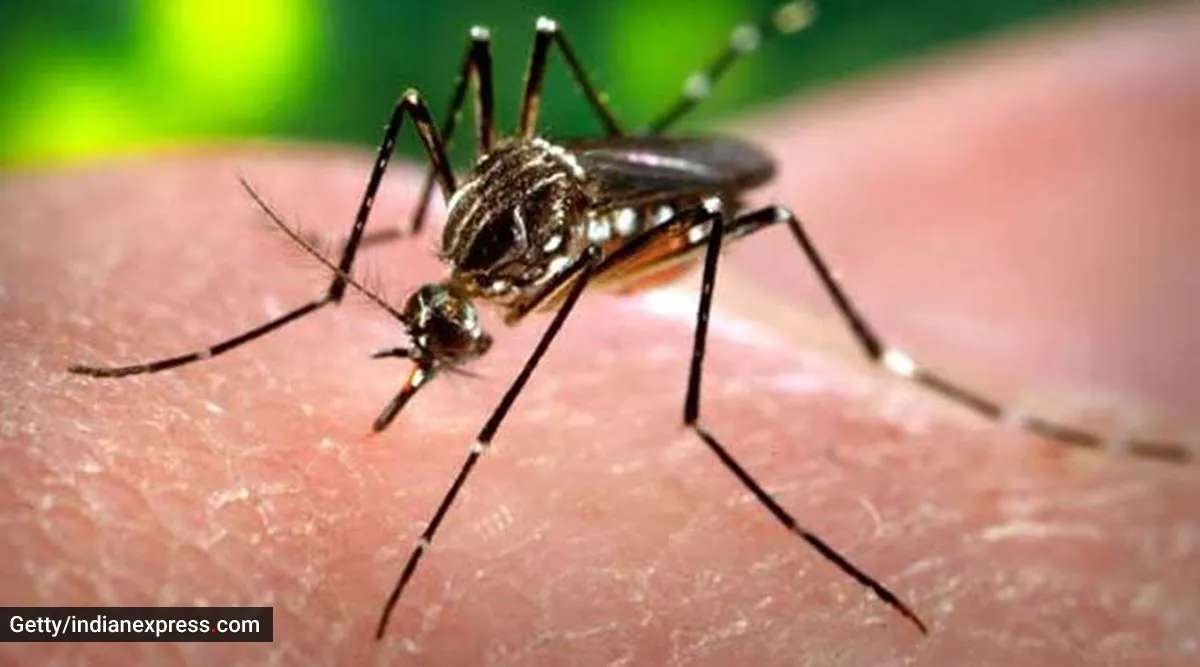
Dengue, one of the fastest-spreading mosquito-borne viral diseases, is caused by four related virus types: DENV-1, DENV-2, DENV-3 and DENV-4. It is transmitted primarily by the Aedes aegypti mosquito. Clinical trials indicate that Qdenga provides long-lasting protection against all four types in people who have had dengue before. It also protects against DENV-1 and DENV-2 in those never infected, with especially strong protection against DENV-2, on which the vaccine is based.
The vaccine is given in two doses, three months apart. If the second dose is delayed, the schedule need not restart; the missed dose can be given at the earliest opportunity. However, it is not recommended for children under six years due to lower efficacy and low prior infection rates. The WHO also advises against use beyond age 60 until more safety and efficacy data are available. It should not be given to pregnant women, those planning pregnancy within one month, breastfeeding mothers, immunocompromised individuals, or those on immunosuppressive therapies like chemotherapy or high-dose corticosteroids.
Affordability will likely determine uptake. At an expected price of Rs 3,000-6,000 per dose, the two-dose course could cost Rs 6,000-12,000. Initial demand is expected mainly from the urban middle class.
Whether to include Qdenga in the Universal Immunisation Programme (UIP) is complex. The WHO recommends introduction only in areas where dengue is a significant public health threat, with indicators such as seroprevalence over 60% by age nine or mean hospitalisation age below 16 years. India needs robust epidemiological data to decide which regions qualify before considering public funding.
In 2023, India recorded over 2.89 lakh dengue cases and 485 deaths. This year, around 7,000 cases and 10 deaths have been reported, with the annual surge expected in the next two to three months.
Vaccination alone is not enough. The same Aedes mosquitoes also transmit chikungunya and Zika, making integrated vector management essential. Eliminating breeding sites through better drainage and waste disposal remains the first line of defence. Complementary measures include using larvivorous fish, judicious chemical and microbial control, stronger inter-agency coordination, and sustained community participation. Improving public awareness and health literacy is equally important. Qdenga is a valuable addition to India's public health arsenal, but it must complement, not replace, a comprehensive strategy for controlling mosquito-borne diseases.