India achieves first satellite-based landing on jet aircraft, boosting flight safety
New Delhi: In a major step for aviation safety, India has successfully conducted its first satellite-based landing system (SLS) approach on a jet-engine aircraft. The Directorate General of Civil Aviation (DGCA) carried out the demonstration flight on an IndiGo Airbus A320 into Udaipur, using the Indian Space Research Organisation (ISRO) and Airports Authority of India's (AAI) satellite navigation system GAGAN (GPS aided geo augmented navigation).
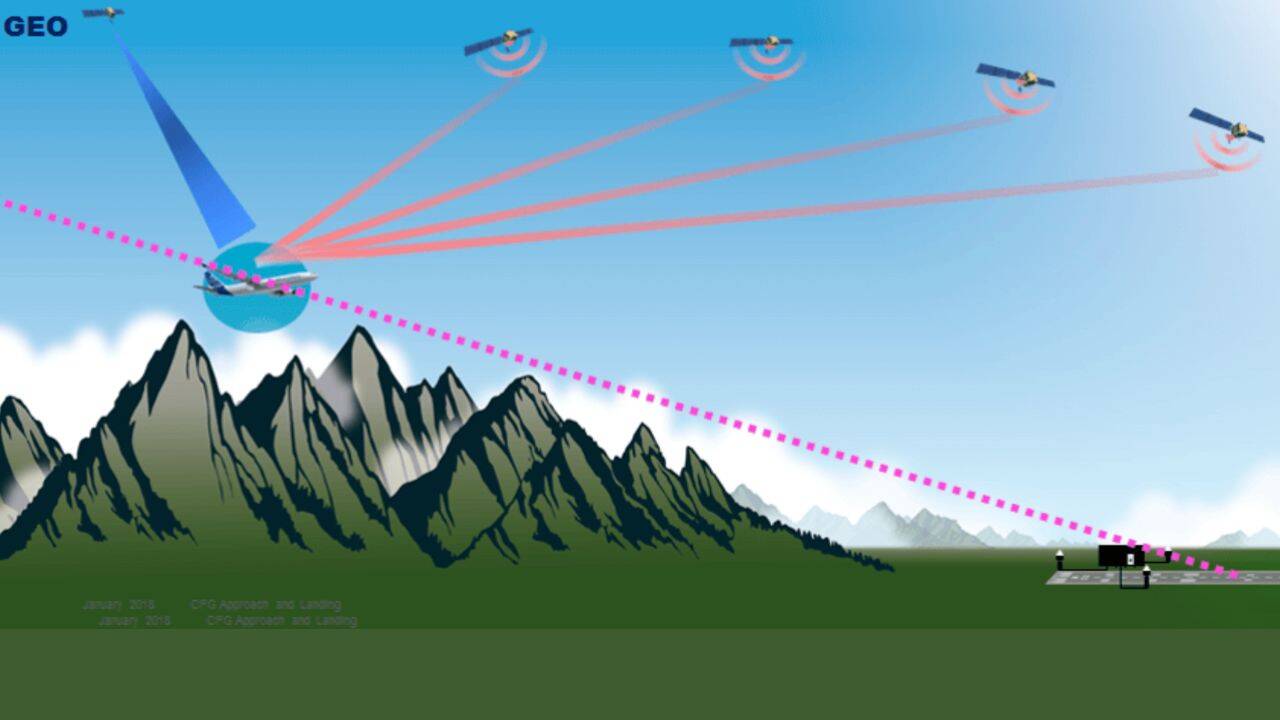
This achievement follows a similar milestone with a turboprop ATR aircraft a few years ago. The SLS is considered a game-changer for improving safety at secondary airports that lack expensive instrument landing systems (ILS). It allows aircraft to use satellite-based navigation for approaches, reducing reliance on ground-based equipment.
The flight marked another significant milestone in advancing satellite-based navigation in India by performing a localiser performance with vertical guidance (LPV) approach. IndiGo had introduced LPV operations on its ATR fleet in 2022 and has now expanded the capability to its entire fleet.
GAGAN, jointly developed by ISRO and AAI, provides the coverage needed for LPV procedures across Indian airspace. India is one of the few countries with its own satellite-based augmentation system (SBAS). AAI has published 23 LPV approaches, with plans to exceed 40 by the end of the year.
“For decades, aircraft have relied on ground-based navigation systems, which are expensive to maintain. SBAS enhances accuracy and provides vertical guidance even at airports without ILS,” said a senior pilot. The technology improves safety, reduces disruptions, and enhances efficiency.
Airbus notes that SLS allows pilots to perform straight-in approaches using satellite positioning in low visibility, facilitating access to secondary airports and serving as a backup to ILS. Almost half of controlled flight into terrain accidents occur during approach without vertical guidance; SLS provides guidance down to 200 feet above ground without costly ground installations.
Sources indicate this flight is a key step in DGCA's regulatory approval process before LPV procedures become regular commercial operations on IndiGo's Airbus fleet. As more airports adopt LPV and more airlines equip with SBAS, GAGAN is expected to make air travel safer, more efficient, and more accessible across India.