Idle thermal plants to be turned into grid stabilisers as renewable energy grows
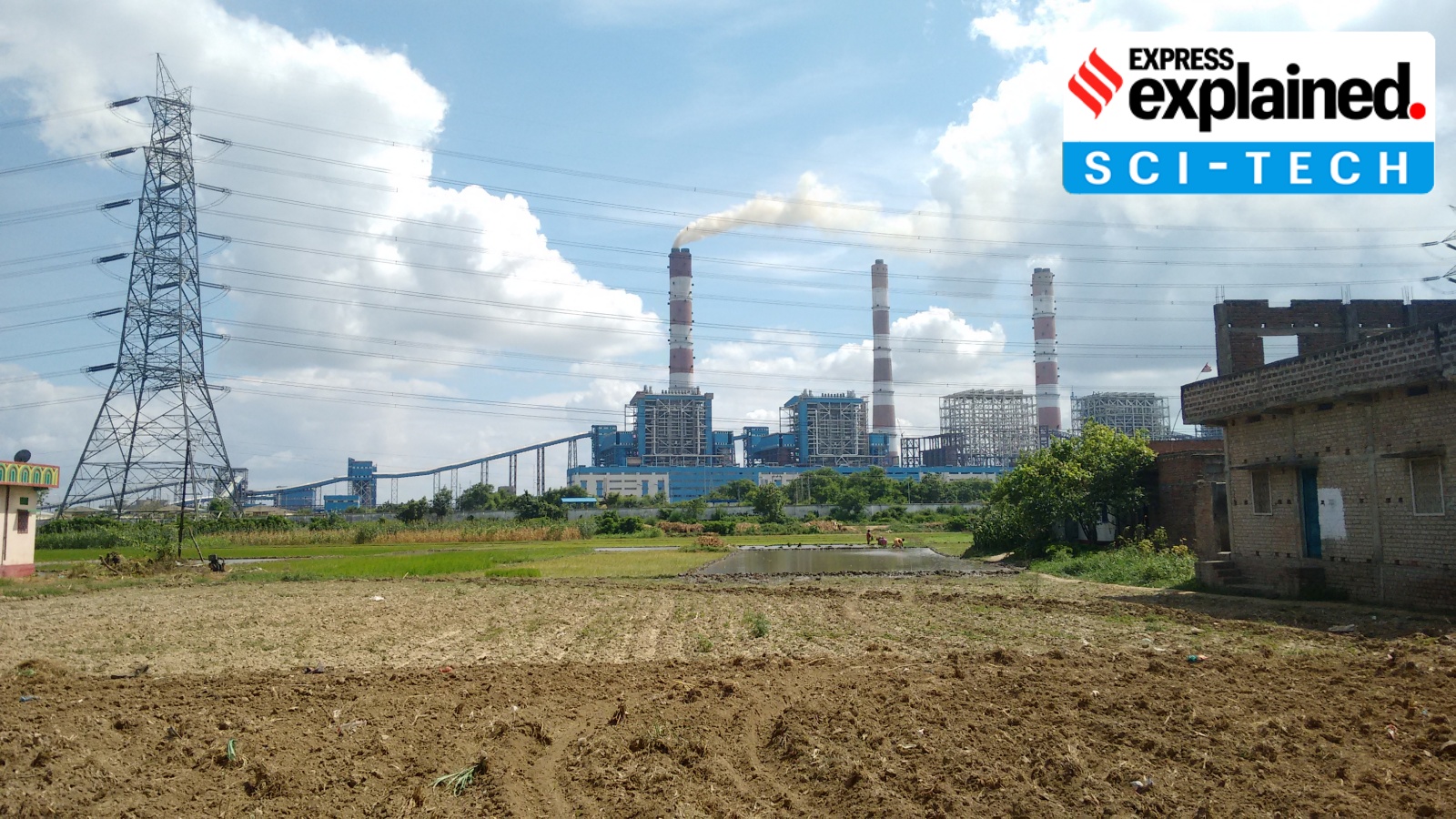
India's power grid operator has identified nine thermal power units that could be repurposed to help stabilise the electricity network as the country adds more solar and wind energy.
The Grid Controller of India (Grid India) said these units, with a combined capacity of about 1.8 GW, can be converted into synchronous condensers (SYNCONs). A synchronous condenser is like an electrical shock absorber: it spins without generating power but provides inertia, reactive power and voltage support to keep the grid stable when supply or demand suddenly changes.
Of the shortlisted plants, eight run on coal or lignite and one on gas. All are either shut down for long periods or operating at very low levels, making them better suited for grid support than for generating electricity.
The proposal follows a review meeting on summer power preparedness held in April under Union Power Secretary Pankaj Agarwal. Attendees were asked to explore turning underused thermal assets into infrastructure that helps the grid handle fluctuations, especially as renewable energy projects add variable power to the system.
“The units of thermal power plants (including gas-based power plants) which are not in operation or otherwise operating sub-optimally may be considered for conversion into SYNCON. A suitable compensation mechanism may also be explored,” the meeting minutes noted.
The list includes plants across five states. Rajasthan has the most with three facilities: Giral Thermal Power Station, Kota Super Thermal Power Station and Dholpur Gas Power Station. Gujarat has two: Akrimota Lignite-Based Thermal Power Station and Kutch Lignite Thermal Power Station. Others are Maharashtra’s GEPL Phase-I and Mihan Thermal Power Stations, Karnataka’s Raichur Thermal Power Station and Tamil Nadu’s Tuticorin Thermal Power Station.
Grid India said thermal units are inherently capable of providing reliability services such as inertial response for frequency stability, short-circuit current for grid strength, voltage control and primary response. It cited examples from the US, UK and Mexico where thermal plants have been converted into synchronous condensers successfully.
“Such repurposing can be a pragmatic option to retain the essential reliability services inherently available from synchronous machines, especially at load centres and near large renewable energy complexes,” Grid India added.
The need for synchronous condensers was highlighted by recent grid disturbances, technical studies and expert panel recommendations. In June 2024, the tripping of the Champa-Kurukshetra HVDC link caused a load reduction of about 16.5 GW across the Northern Region, exposing voltage stability challenges. The Northern Regional Power Committee also recommended deploying SYNCONs in the Rajasthan Renewable Energy Complex to strengthen the grid.
Further, a disturbance in Spain and Portugal on 28 April 2025 underscored the importance of adequate voltage control and dynamic reactive power support. Grid India said the conversion of idling thermal units can help prevent similar events in India.
The move is part of India's broader strategy to integrate more renewable energy without compromising grid reliability. As solar and wind capacity grows, the stabilising influence of large thermal generators reduces, making alternative sources of inertia and voltage support essential.