How Extra Weight Crushes Your Knees: The Pressure per Pound
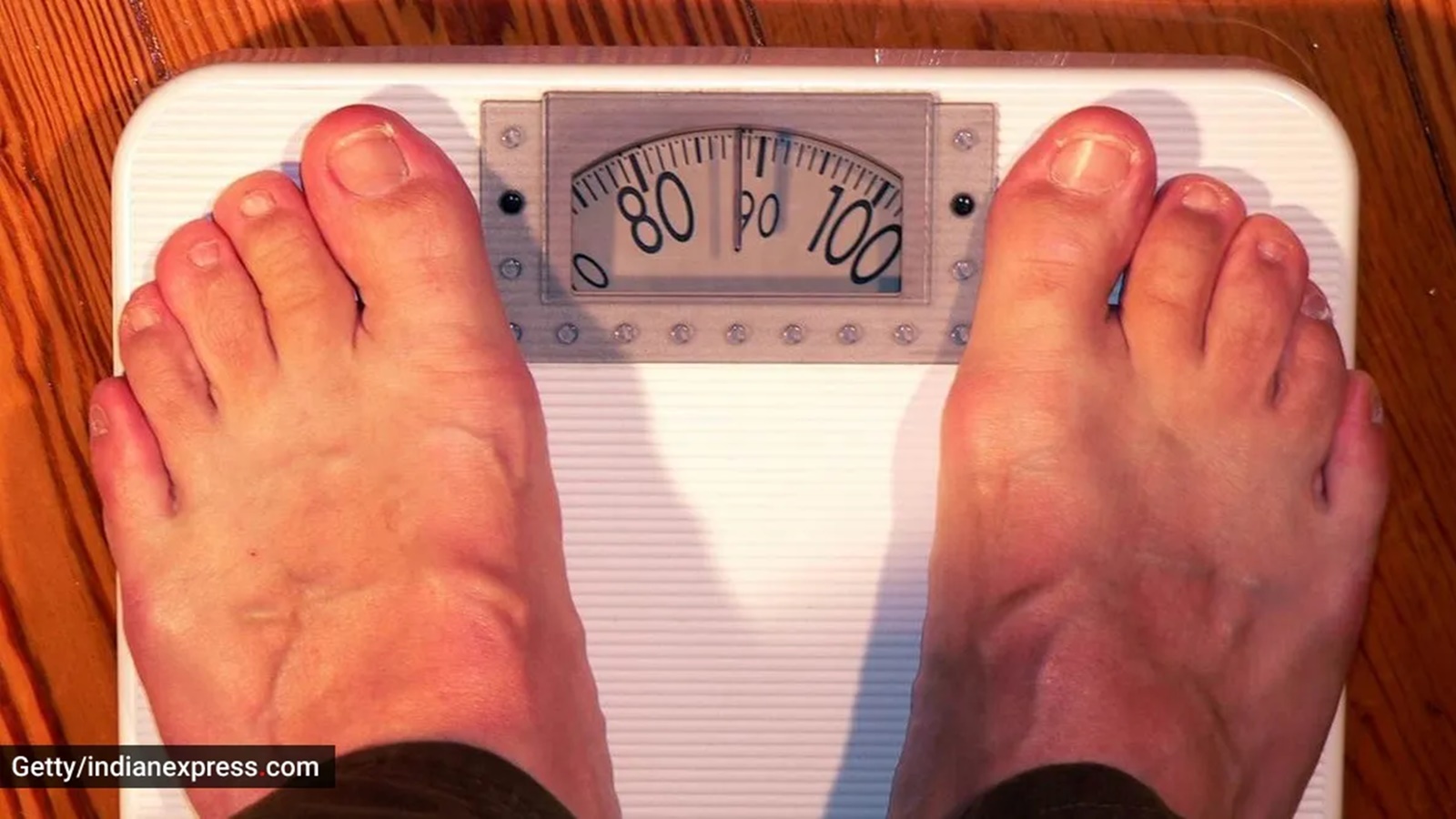
For every kilogram of body weight gained, the knees bear an additional four kilograms of pressure. This simple equation explains why weight management is a cornerstone of knee health, according to orthopaedic specialists.
Dr Anup Khatri, senior consultant in orthopaedics at Gleneagles Hospital in Mumbai, states that individuals struggling with weight often face a cascade of joint problems, with the knees being the most affected. 'Excess weight accelerates wear and tear on the cartilage, leading to osteoarthritis and chronic pain,' he explains.
The American College of Rheumatology and the Arthritis Foundation recommend losing at least five per cent of body weight to achieve meaningful improvements in knee function and treatment outcomes. For a person weighing 80 kg, that means losing just 4 kg — a target that can significantly reduce pain and improve mobility.
But how does weight translate into pressure? Biomechanical studies show that the knee joint bears about three to four times the body weight during activities like walking. Each extra kilogram adds roughly four kilograms of force across the knee. Over time, this cumulative load erodes the protective cartilage, leading to stiffness, swelling, and reduced range of motion.
Weight loss, even modest, reduces this mechanical stress. Dr Khatri advises combining dietary changes with low-impact exercises such as swimming or cycling. 'Strengthening the muscles around the knee — quadriceps and hamstrings — helps stabilise the joint and absorb shock,' he adds.
Beyond mechanics, fat tissue produces inflammatory chemicals called cytokines that can worsen joint inflammation. Losing weight reduces these inflammatory markers, offering a dual benefit: less mechanical stress and lower systemic inflammation.
Importantly, weight management is not just for those already experiencing knee pain. Preventive measures in mid-life can delay or avoid the onset of osteoarthritis. A 2018 study in the journal Arthritis Care & Research found that overweight individuals who lost 5–10 per cent of their body weight halved their risk of developing knee osteoarthritis over four years.
For those already diagnosed with knee arthritis, weight loss remains the most effective non-surgical intervention. It can reduce pain, improve function, and in some cases, delay the need for joint replacement surgery.
Disclaimer: This article is based on information from the public domain and expert interviews. Always consult your health practitioner before starting any weight loss or exercise regimen.