Houthi Entry Into US-Iran Conflict Threatens Global Shipping Lanes
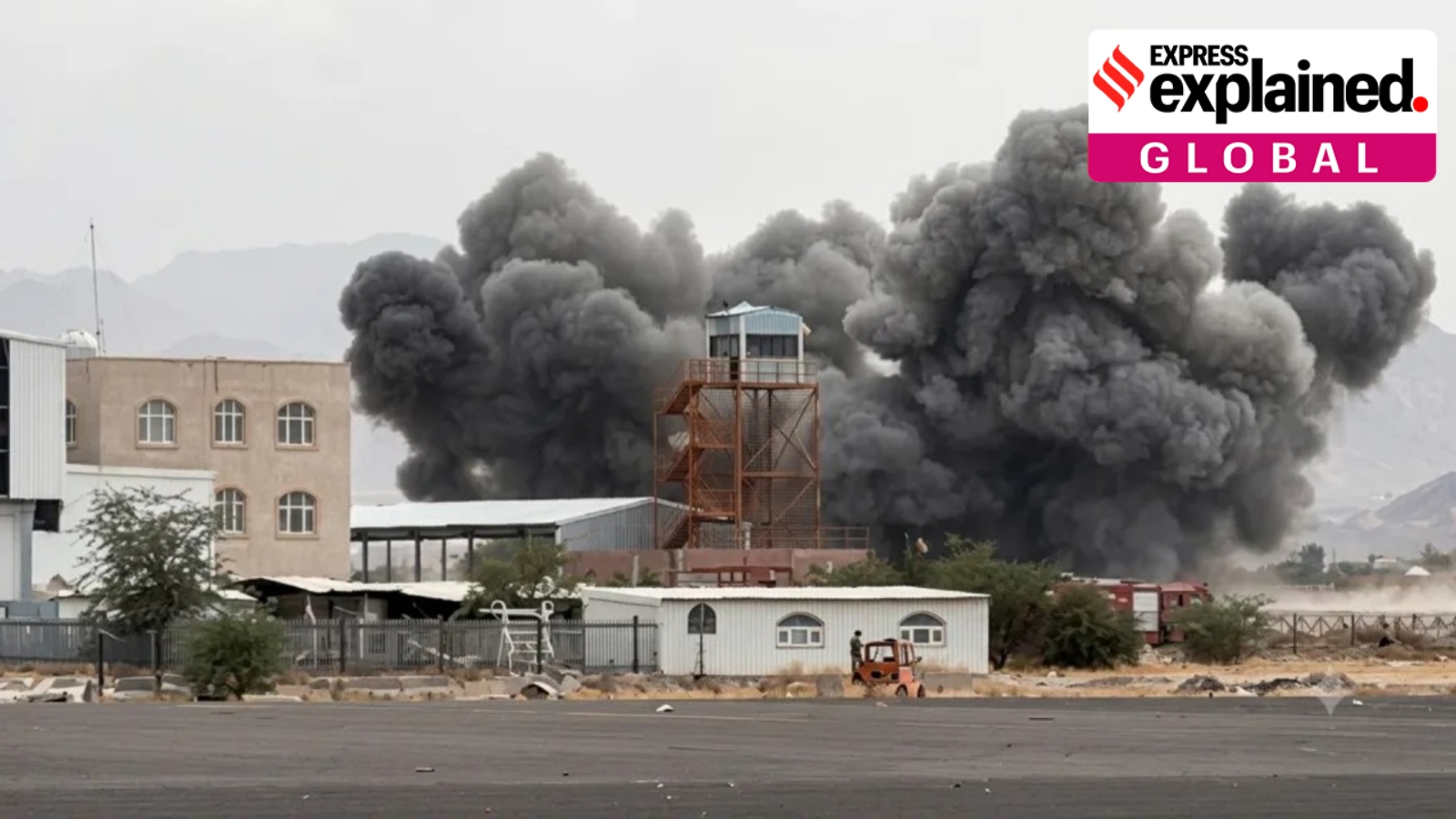
Five months after the United States and Israel launched a joint military offensive against Iran, the conflict has evolved into a protracted war of attrition. Despite the military superiority of the US and Israel, Iran has managed to gain strategic leverage through its counter-actions. The fragile ceasefire brokered last month has been violated due to divergent positions held by the parties. Now, the entry of Yemen's Houthi militant group, threatening shipping through the Bab el-Mandeb Strait, has potentially opened a second front.
The US-Israel campaign, which began on February 28, aimed to neutralize Iran's nuclear infrastructure, weaken its war-fighting capability, and reduce Tehran's ability to project power through regional proxies. Although the precision strikes caused significant damage to Iran's military infrastructure and command-and-control systems, they did not achieve all their objectives.
Iran responded with a strategy of resilience, avoiding direct confrontation. Using missiles, drones, and support from regional groups, Iran demonstrated an ability to impose costs without triggering an uncontrollable regional war. In hybrid warfare, decisive outcomes remain difficult. Realizing the conflict had reached a strategic stalemate, both sides agreed to indirect negotiations mediated by Pakistan, Qatar, Egypt, and Saudi Arabia. On June 17, 2026, a Memorandum of Understanding (MoU) was signed, establishing a fragile ceasefire and setting a two-month timeline for a final agreement.
However, core issues such as uranium enrichment, sanctions relief, unfreezing of assets, verification mechanisms, and security guarantees proved irreconcilable. Diplomatic efforts only slowed military operations, and post-MoU talks made no progress. The conflict resumed in late June and has escalated daily. It is increasingly expensive for the US to maintain naval deployment and air defense assets in the region. Iran's strategy relies on endurance and raising the cost of war to convince Washington that the conflict yields diminishing returns.
The Houthis, an Iran-backed Islamist group based in Northern Yemen, have been targeting Red Sea shipping. The group attacked two Saudi oil tankers and threatened a broader blockade, as it can interdict the Bab el-Mandeb Strait, disrupting the Red Sea-Suez Canal route. About 12% of global commerce passes through this corridor. Disruption forces ships to sail around the Cape of Good Hope, increasing transit times and freight rates.
This new dimension threatens both the Strait of Hormuz and Bab el-Mandeb. Simultaneous pressure on these two chokepoints could severely disrupt energy exports from the Gulf to Europe and Asia, affecting global maritime trade.