Hormuz Ship Crossings Double as Iran Rejects New Omani Corridor
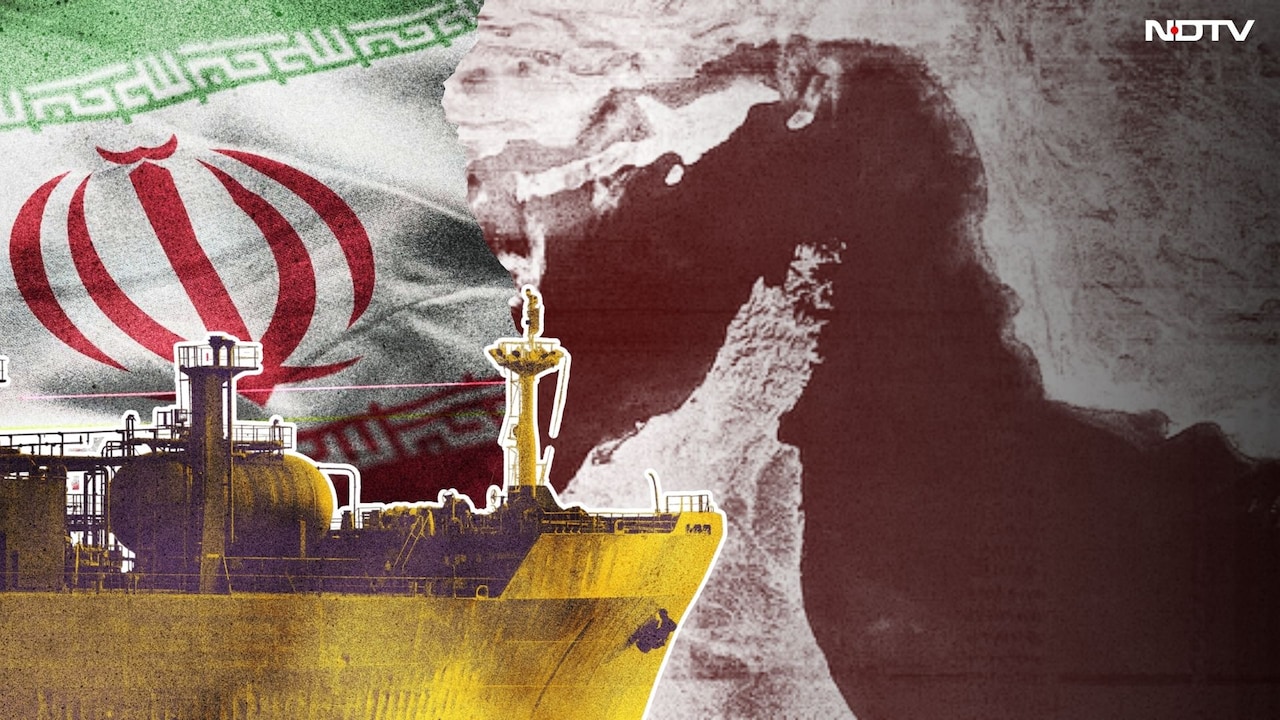
Ship movements through the Strait of Hormuz have risen sharply, with maritime data showing a 105 per cent increase in crossings on June 24, 2026, compared to recent lows. According to Kpler, a maritime intelligence firm, 70 vessels passed through the strategic waterway that day, including 53 commercial ships, most classified as low-risk.
The increase comes after months of disruption linked to the Iran war and heightened regional tensions. The recovery follows a US-Iran memorandum of understanding and an apparent end to the US naval blockade that had restricted traffic. However, experts caution that normal traffic levels have not yet been restored, citing ongoing concerns over mines, vessel tracking, and the unresolved status of the waterway.
On Wednesday, Oman announced a new shipping corridor through the strait, developed in coordination with the International Maritime Organisation (IMO), aiming to restore safer movement. But Iran's Islamic Revolutionary Guard Corps (IRGC) immediately objected, stating that the route was announced without Tehran's consultation. The IRGC declared that only routes designated by Iran are authorised, and that ships must remain in contact with the IRGC Navy while transiting the strait.
Oman defended its action, with Foreign Minister Badr Albusaidi stating that the route was created to support safe navigation under international rules. He also clarified that no transit fees would be imposed. The Strait of Hormuz remains a critical chokepoint for global energy supplies, and the disagreement adds to tensions as Washington and Tehran continue talks over a temporary agreement to end the Iran war permanently.
Separately, the United Kingdom Maritime Trade Operations centre reported that a cargo ship travelling through a UN-backed route in the strait was hit by a projectile on Thursday. No casualties or environmental damage were reported. The attacker and vessel type remain unknown. The incident occurred hours after the IRGC's warning against unauthorised use of the strait.
US Secretary of State Marco Rubio, during a Gulf visit, reaffirmed Washington's commitment to ensuring freedom of navigation through the waterway, warning that any interruption would pose a major problem.