Hooda Denies Calling Sajjan Kumar Role Model Amid Congress Uproar
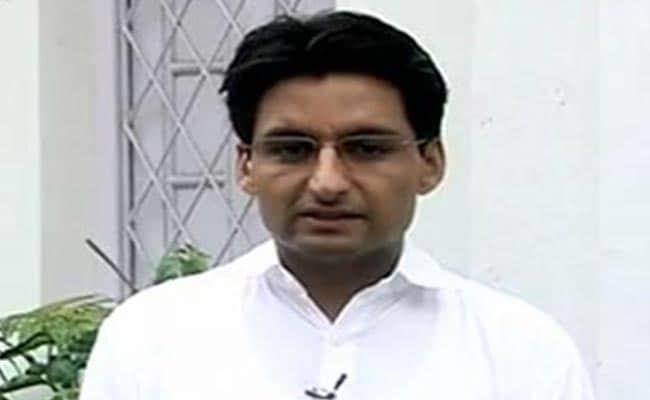
Congress leader Deepender Hooda has sought to distance himself from remarks that triggered widespread anger within his party, asserting that he never called convicted anti-Sikh riot offender Sajjan Kumar a “role model”. The Lok Sabha MP from Haryana issued a clarification after facing criticism from senior Congress leaders across Punjab and Haryana.
Speaking to media, Hooda said his words were twisted and that he has always stood firmly with the Sikh community. “We share a centuries-old bond of brotherhood with the Sikh community; our family has been connected with them through both joy and sorrow, and we have stood by them in every struggle,” he said in a statement aimed at quelling the controversy.
“Whenever the issue of the rights of our Sikh brethren has arisen, we have always supported them. We stood with them during the farmers' protest. Regarding the 1984 riots, we have clearly stated that a grave injustice occurred. Those responsible must face the strictest punishment, and the Sikhs deserve justice. This has been our consistent stance from the very beginning, and that is why we stand firmly with the Sikh community,” he added.
The controversy began after Sajjan Kumar, a former Congress MP convicted for his role in the 1984 anti-Sikh riots, died in prison. Hooda was reported to have described Kumar as a “role model”, drawing sharp reactions from both within and outside the party.
Senior Haryana Congress leader and former Speaker Kuldeep Sharma demanded action against Hooda, writing to the party high command to remove him from the Congress Working Committee and party membership. Sharma warned that eulogising a polarising figure like Kumar could have adverse political consequences for the Congress.
Former Punjab Chief Minister Charanjit Singh Channi was more scathing. Recalling his time in office, he said, “When I became chief minister, I demanded that he be handed over to me so I could demonstrate, on behalf of the Punjab government, how he had murdered humanity. This is not just about the Sikh community; this man has brought shame to humanity.”
Channi added, “No amount of condemnation is enough. This man was a traitor. Praising him as a role model - or even uttering his name - is a sin. If such people become role models, the country will be ruined. He should have been shot dead in a public square, not merely subjected to a legal battle. Sajjan Kumar died while serving his sentence - not in the comfort of his home, but in prison. He deserved to rot away there. If anyone calls him their role model, they ought to watch their words and check themselves.”
Punjab Congress chief Amarinder Singh Raja Warring also distanced the party from Hooda's comment. “Those who committed atrocities against innocent people cannot escape divine justice,” he wrote on social media, adding that the party stood in solidarity with the Sikh community.
The 1984 anti-Sikh riots, which erupted after the assassination of then Prime Minister Indira Gandhi, remain a deeply sensitive chapter in Indian history. Sajjan Kumar was sentenced to life imprisonment in 2018 for conspiracy and murder during the riots. His death in prison on February 1, 2025, reignited painful memories and raised questions about accountability.
Political analysts note that the Congress, which has been trying to rebuild its base in Punjab and Haryana, is particularly wary of being associated with figures like Kumar. Hooda's clarification, while seeking to pacify critics, also highlights the internal fault lines within the party over how to handle the legacy of the 1984 riots.
As the controversy simmers, the Congress leadership has yet to issue an official response to Sharma's demand for action. Meanwhile, Hooda's statement appears aimed at containing the damage, reiterating his support for the Sikh community and his demand for justice for riot victims.