Home Affairs panel clashes as Opposition demands Delhi protest review, BJP cites sub judice

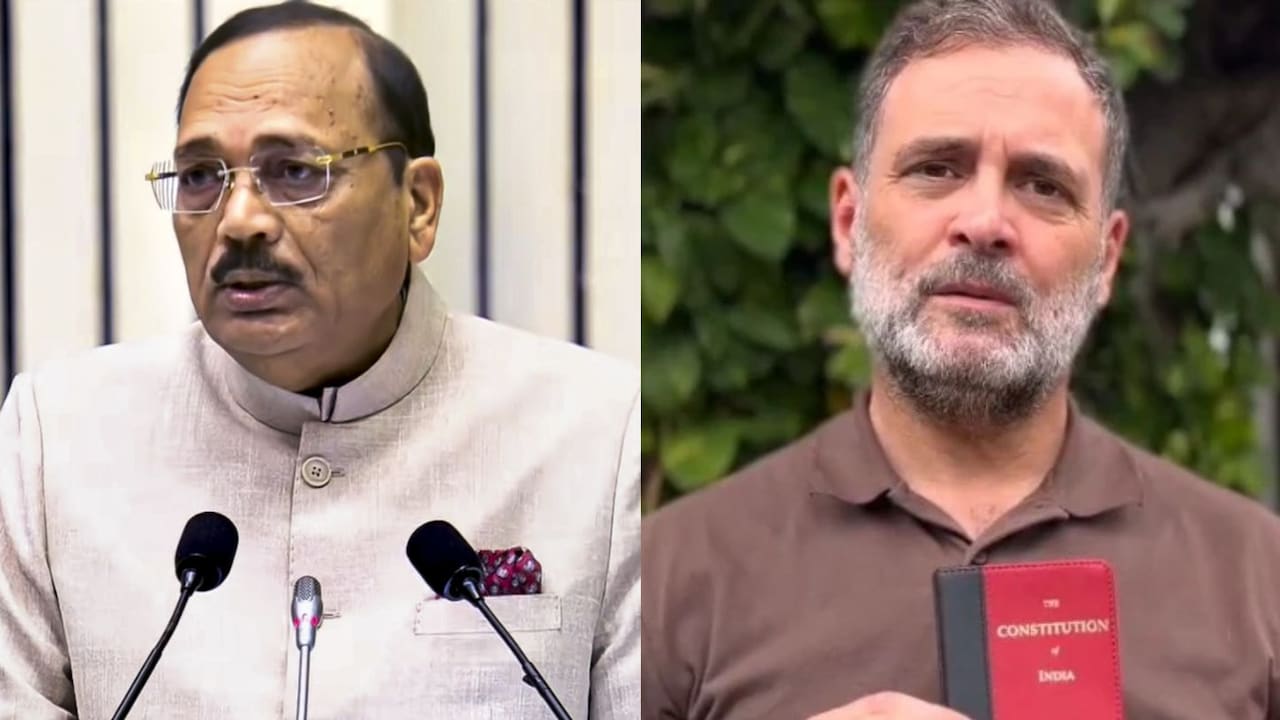
The Parliamentary Standing Committee on Home Affairs witnessed a heated exchange on Tuesday (August 25, 2026) after Opposition members demanded a discussion on alleged police excesses during a youth-led protest in Delhi on July 20. The committee, chaired by BJP MP Radha Mohan Das Agarwal, was originally deliberating on ‘Crime Against Children’, with officials from four Ministries present for the discussion.
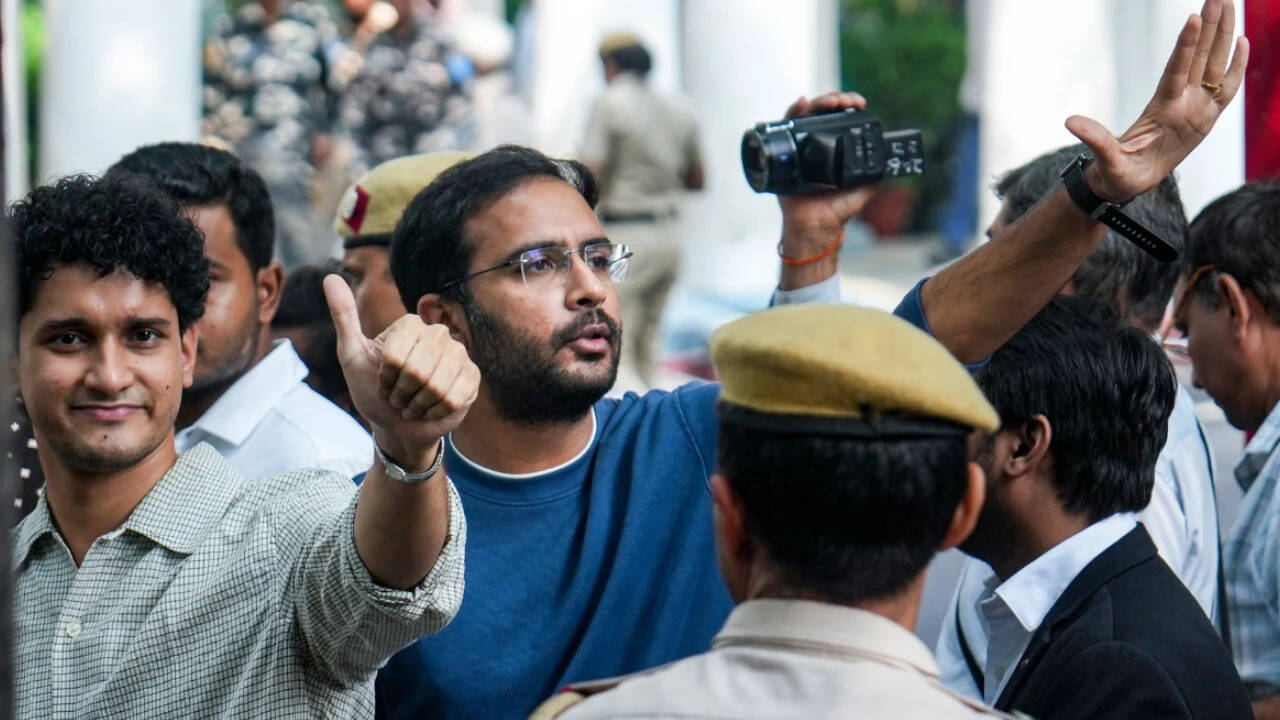
Minutes after the meeting commenced at 11 a.m., senior Congress leader and Rajya Sabha MP Ajay Maken raised a letter he had written to the chairperson earlier, urging that all other agenda items be set aside to discuss what he described as the “excessive use of force” by Delhi Police during last month’s protest at Jantar Mantar. In the letter, Mr. Maken alleged that security personnel used pellet guns, deployed barricades that delivered electric shocks, and resorted to lathi-charge against protesters. He further claimed that a truck loaded with stones had been parked near the protest site to implicate demonstrators, and that several police personnel were operating without name tags while some individuals in civilian clothes were seen using lathis.
Mr. Agarwal rejected the request, stating that the matter was sub judice and therefore could not be taken up by the committee under parliamentary rules. He also referred to directions issued by the Supreme Court and noted that a committee appointed by the apex court was already examining the issues. The chairperson’s decision prompted strong objections from Opposition members, including Congress MP Priyanka Gandhi Vadra, TMC leader Derek O’Brien, Shiv Sena (UBT) leader Sanjay Raut and NCP (SP) MP Supriya Sule, who argued that the allegations were of significant public interest and should be discussed.
According to sources, the exchange then widened into a political slugfest between ruling and Opposition members. BJP MP Tarun Chugh referred to the 1984 anti-Sikh riots and argued that allegations of police excesses from that period had never been adequately investigated. Congress member Jai Prakash countered that if State-related issues were being discussed, instances of alleged fake police encounters under BJP governments, including in Haryana, should also be examined. The two members then engaged in a shouting match, prompting intervention by the chairperson.
Seeking to restore order, Mr. Agarwal proposed that the committee could, at a later stage, consider discussing the framing of a Standard Operating Procedure (SOP) governing police action during protests. Opposition members agreed to the suggestion. The committee then continued with its scheduled agenda on ‘Crime Against Children’.
The Standing Committee on Home Affairs is a parliamentary oversight body that examines legislative proposals and issues related to internal security and law and order. Its deliberations typically involve officials from relevant ministries, who are present to provide factual inputs. Tuesday’s meeting, however, veered into politically charged territory, reflecting deep partisan differences on questions of police conduct and protest management.
The incident also highlights the constraints under which parliamentary panels operate. Under rules, committees generally refrain from debating matters that are sub judice to avoid interference with the judicial process. The Supreme Court’s involvement in the present case, including the appointment of a committee to examine the issues, reinforced the chairperson’s decision to decline the Opposition’s demand. The agreement to consider an SOP may provide a structured approach to addressing concerns about police actions during protests, while remaining within the committee’s mandate.