Heart, kidney and metabolic diseases now classified as single syndrome: New US guideline
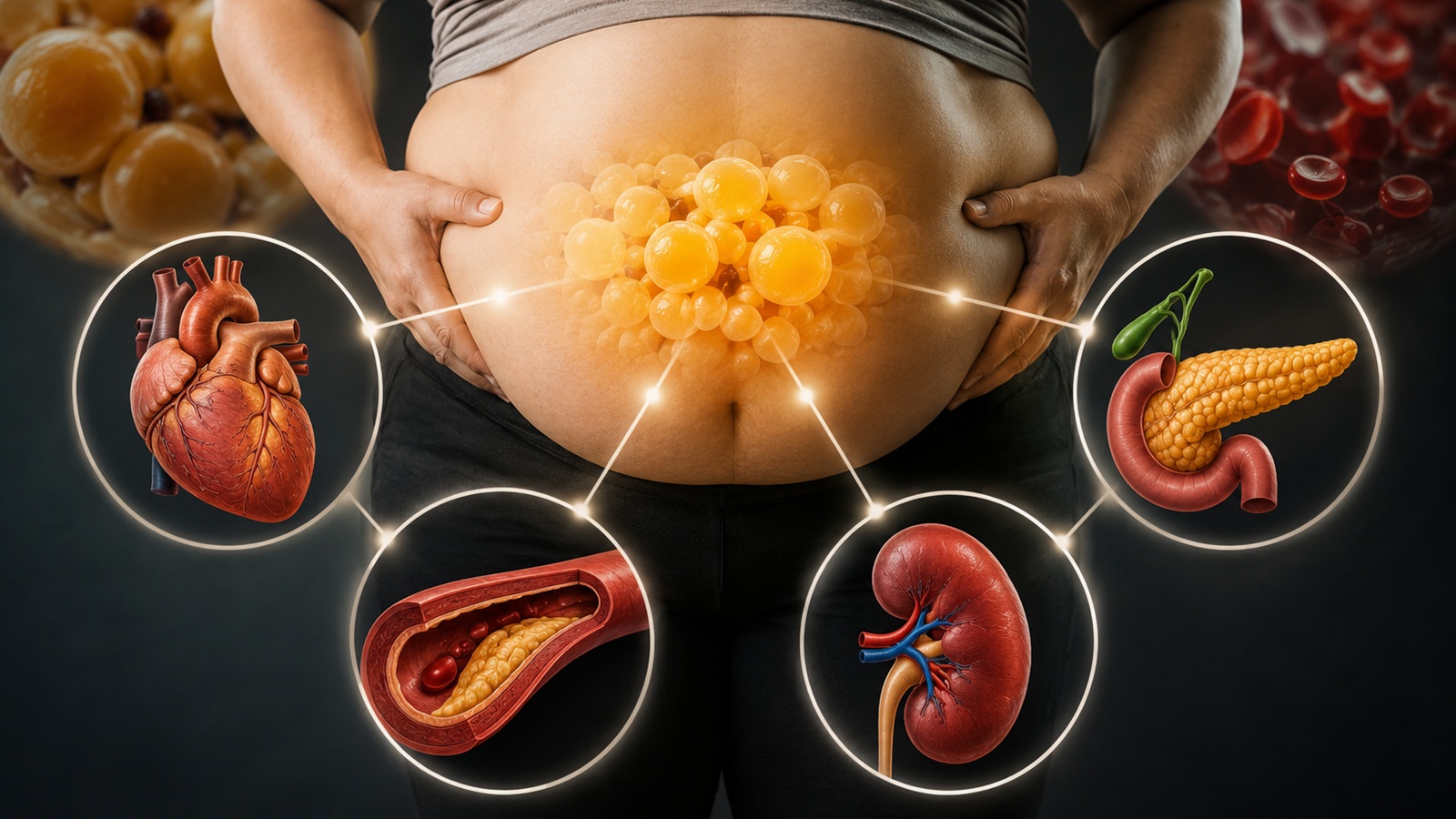
Cardiovascular, kidney, and metabolic conditions—including heart disease, chronic kidney disease, and diabetes—are now considered part of a single syndrome under new guidance from leading US health organisations. The American Heart Association and the American College of Cardiology have jointly issued a first-of-its-kind guideline on cardiovascular-kidney-metabolic (CKM) syndrome, urging doctors to treat these conditions collectively rather than in isolation.
Released in June 2026, the guideline notes that higher stages of CKM syndrome are linked to a greater burden of serious health problems such as Type 2 diabetes, chronic kidney disease, and increased risk of cardiovascular disease and death. It aims to shift the focus from treating each condition separately to addressing their shared root causes and interconnections.
“Heart, kidney, and metabolic conditions don’t occur in isolation—they are deeply connected,” said Dr Chiadi E. Ndumele, chair of the guideline writing committee and director of obesity and cardiometabolic research at Johns Hopkins School of Medicine, in a statement. The guideline reviews risk factors including overweight, obesity, prediabetes, Type 2 diabetes, high blood pressure, abnormal lipids, and chronic kidney disease.
Indian medical experts support the integrated approach. Dr Parin Sangoi, consultant interventional cardiologist at Wockhardt Hospitals, Mumbai Central, explained that CKM syndrome shows how closely the heart, kidneys, and metabolism are related. “Issues like obesity, diabetes, high blood pressure, and kidney disease are connected and do not happen in isolation. The importance of CKM syndrome is in spotting these related risks early, before they lead to a heart attack, stroke, heart failure, or kidney failure,” he said.
Dr Aseem Thamba, consultant nephrologist and kidney transplant physician at Zen Multi-speciality Hospital, Chembur, noted that CKM highlights a strong connection between these conditions, which often develop together and worsen each other over time. “For example, uncontrolled diabetes or obesity can damage both the heart and kidneys, while kidney disease can further increase the risk of cardiovascular complications,” he explained. The guidelines encourage doctors and patients to look at overall health rather than treating each condition separately.
The guideline emphasises early identification of risk factors such as excess weight, high blood pressure, abnormal cholesterol, elevated blood sugar, and reduced kidney function before serious complications occur. Warning signs to watch for include persistent fatigue, swelling in the feet, unexplained weight gain, shortness of breath, frequent urination, high blood pressure, or abnormal blood sugar levels, said Dr Thamba.
CKM syndrome is staged to guide prevention and treatment:
Stage 1: The earliest stage, where a person may be overweight, obese, or have prediabetes. Most people feel normal and show no obvious symptoms. This stage is often overlooked because warning signs are subtle, said Dr Sangoi.
Stage 2: Risk factors become more noticeable, such as elevated blood sugar or blood pressure. Intervention at this stage can prevent progression.
Stage 3: People may have established metabolic disease (e.g., Type 2 diabetes) or early kidney disease. Cardiovascular risk is elevated.
Stage 4: Advanced disease with symptoms of heart failure, kidney failure, or history of heart attack/stroke. Aggressive treatment is needed.
The guideline recommends healthy lifestyle behaviours, medications including GLP-1-based therapies and SGLT2 inhibitors, and, when appropriate, metabolic or bariatric surgery. The goal is to reduce the overall burden of CKM-related complications.
Disclaimer: This article is based on information from the public domain and the experts consulted. Always consult your health practitioner before starting any routine.