Haryana and Rajasthan Sign MoU to Activate 1994 Yamuna Water-Sharing Pact
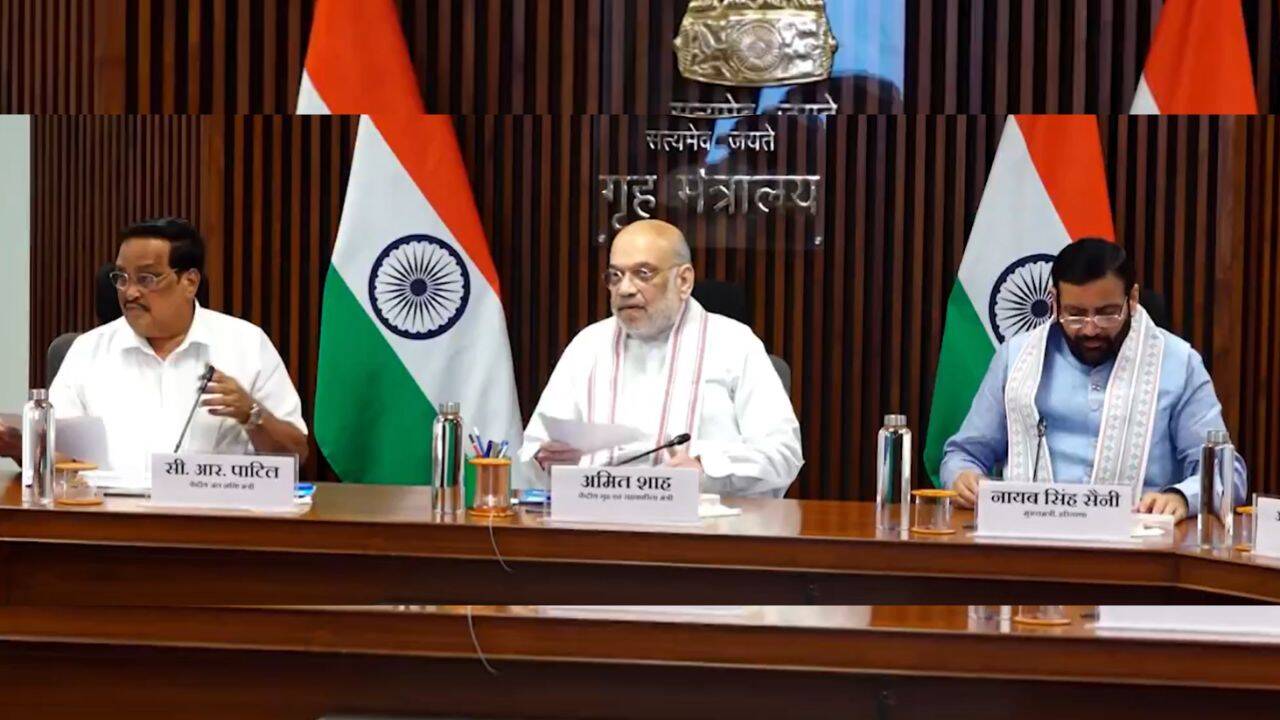
NEW DELHI: Haryana and Rajasthan on Monday signed a memorandum of understanding (MoU) to implement the 1994 Upper Yamuna River Board Agreement, marking a significant step towards operationalising the decades-old water-sharing pact.
The agreement was signed in New Delhi in the presence of Union Home Minister Amit Shah, Haryana Chief Minister Nayab Singh Saini, and Rajasthan Chief Minister Bhajan Lal Sharma. Senior officials from the central and state governments also attended the ceremony.
The MoU aims to facilitate the implementation of the 1994 Upper Yamuna River Board Agreement, which governs the sharing and management of Yamuna river waters among the basin states. The pact outlines the allocation of water for various uses, including drinking, irrigation, and industrial purposes, among the riparian states of Uttarakhand, Uttar Pradesh, Haryana, Rajasthan, Delhi, and Himachal Pradesh.
Water-sharing agreements in the Yamuna basin have historically been a subject of contention among the states, particularly during periods of drought or low rainfall. The 1994 agreement sought to establish a framework for cooperative management, but its full implementation had been pending due to various technical and administrative hurdles.
With this MoU, Haryana and Rajasthan have committed to work together to operationalise the provisions of the 1994 pact. The agreement is expected to facilitate better water management, reduce disputes, and ensure equitable distribution of Yamuna waters. Officials said the MoU also includes mechanisms for data sharing, joint monitoring, and coordinated release of water from storage projects.
Union Home Minister Amit Shah described the signing as a landmark step towards resolving long-standing water issues in the region. He emphasised the importance of inter-state cooperation and noted that the central government is committed to facilitating dialogue and implementation of existing agreements.
The Upper Yamuna River Board, established under the 1994 agreement, will play a key role in overseeing the implementation. The board comprises representatives from the basin states and the central government, and it is responsible for regulating the flow of water, maintaining river health, and addressing any disputes that may arise.
While the MoU is a positive development, experts caution that its success will depend on sustained political will, technical capacity, and the willingness of all basin states to adhere to the agreed terms. The challenge of climate change and increasing water demand in the region may also test the resilience of the pact.
Nevertheless, the signing of the MoU represents a concrete step towards better water governance in the Yamuna basin, with potential benefits for millions of people who depend on the river for their livelihoods and daily needs.







