INDIA bloc boycotts Lok Sabha Speaker's tea party, DMK attends amid bitter session
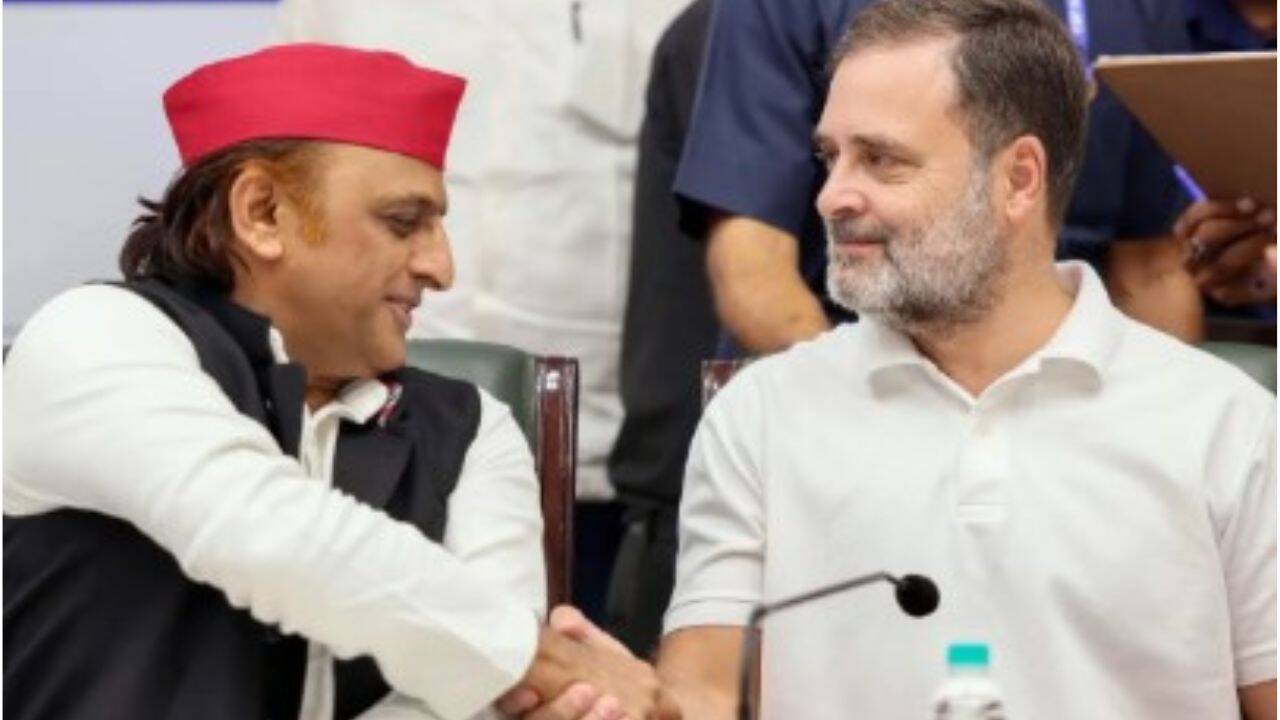
The opposition INDIA bloc on Saturday boycotted the customary tea party hosted by Lok Sabha Speaker Om Birla, in a clear signal of the deepening rift between the ruling and opposition camps after a stormy Monsoon Session of Parliament. However, the Dravida Munnetra Kazhagam (DMK), which is a part of the opposition alliance, chose to attend the event, marking a notable divergence within the coalition.
The tea party, held at the end of the session, is traditionally seen as an opportunity for members across party lines to interact in a relaxed atmosphere. The boycott by major opposition parties, including the Congress and the Samajwadi Party, underscores the prevailing acrimony in the house that saw repeated disruptions and adjournments over the past three weeks.
Political observers noted that the decision to skip the event was not a spontaneous one. Sources within the opposition said the bloc wanted to express its dissatisfaction with the way the government managed the session, particularly its handling of issues such as the Manipur violence and the debate over the Delhi services ordinance. However, the DMK’s decision to attend suggests that the bloc is not entirely unified in its approach.
DMK parliamentary party leader T.R. Baalu was seen at the tea party, engaging with treasury bench members. When asked about the apparent contradiction with the boycott, Baalu reportedly said the DMK respects parliamentary traditions and saw no reason to snub the Speaker.
The Congress, which led the boycott, issued a statement saying that it was a “principled stand” against the “undemocratic manner” in which the session was conducted. The party also alleged that several opposition MPs were suspended without proper justification, a charge dismissed by the government.
The Monsoon Session was marked by frequent clashes, with opposition parties demanding a detailed discussion on the situation in Manipur, while the government insisted on taking up its legislative agenda. Several sittings had to be abruptly adjourned due to unruly scenes, leading to a logjam in both houses.
The boycott of the Speaker’s tea party, while symbolic, could have wider implications for parliamentary functioning. Experts argue that such informal gatherings are crucial for maintaining channels of communication between the government and the opposition. When these are abandoned, the risk of legislative gridlock increases.
Meanwhile, the session concluded with the government managing to pass several key bills, including the contentious bills related to the administration of Delhi and the appointment of election commissioners. The opposition, however, described the passage as a “mockery of democracy” and said it would continue to fight the measures in court and on the streets.
This is not the first time that opposition parties have boycotted such events. In 2019, several parties skipped a similar tea party to protest against the government’s policies. However, this year’s boycott carries greater significance as it comes amid growing political polarisation ahead of the 2024 general elections.
The INDIA bloc, which was formed in June to take on the Bharatiya Janata Party-led NDA, has so far struggled to project a united front. The DMK’s decision to attend the tea party may be seen as a minor embarrassment for the bloc’s leadership, but it is unlikely to derail the alliance, given the strong regional ties between the parties.
As the curtain comes down on the Monsoon Session, the political atmosphere remains charged. The boycott, though symbolic, reflects how far the relations between the government and the opposition have deteriorated, raising concerns about the health of India’s parliamentary democracy.







