Global Experts Call Fatty Pancreas an Overlooked Early Warning for Diabetes, Pancreatitis, and Cancer
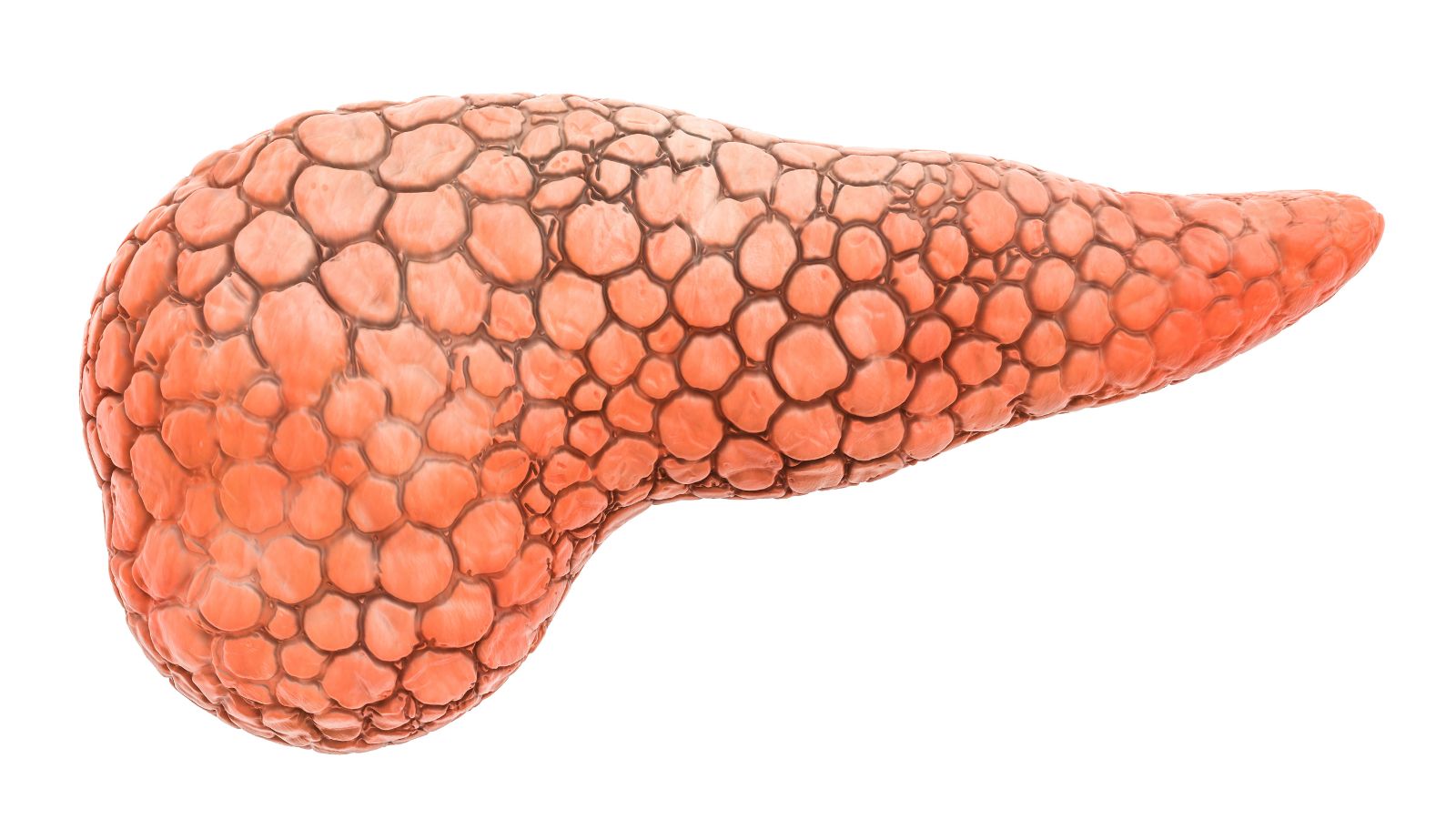
For years, doctors often dismissed fat in the pancreas as an incidental finding on scans, possibly a by-product of ageing or weight gain. But an international panel of experts is challenging that assumption, arguing that excessive fat in this small but vital organ may represent an overlooked disorder linked to diabetes, pancreatitis and even pancreatic cancer.
While many questions remain unanswered, the message is clear: the pancreas deserves far more attention than it has received.
The pancreas rarely enjoys the same public attention as the heart, liver or kidneys. Tucked deep within the abdomen, it produces digestive enzymes that help break down food and hormones, including insulin, that regulate blood sugar.
When the pancreas works well, few people think about it. When it doesn't, the consequences can be devastating. Pancreatitis can cause severe abdominal pain and repeated hospital admissions. Pancreatic cancer remains one of the deadliest forms of cancer, largely because it is often diagnosed late. Type 2 diabetes affects hundreds of millions of people worldwide, placing enormous strain on health systems.
Now, a group of international experts believes these conditions may share a common thread that has long been underestimated: excess fat within the pancreas itself. Published in Nature Reviews Gastroenterology and Hepatology, the consensus statement proposes a new framework for understanding what the authors call Fatty Pancreas Disorder (FPD)—a condition they argue deserves recognition as an early pathological change rather than an incidental imaging finding.
Dr Anoop Misra, Chairman, Fortis C-Doc for Diabetes and Allied Sciences, who is part of the international committee, says the consensus assumes significance for Indians. “That’s because our own research has shown that even individuals who are not obese have excess fat deposited in organs such as the liver and pancreas. Indians tend to develop ectopic fat at lower body weights than many Western populations,” he says.
Not all fat in the pancreas is harmful. The first point the experts make is perhaps the most important. Having fat in the pancreas is not automatically a disease. Like many organs, the pancreas naturally contains small amounts of fat, which tend to increase with age. The challenge lies in determining when normal fat accumulation becomes excessive enough to interfere with the organ’s function.
So, the panel carefully distinguishes between intrapancreatic fat deposition — simply the presence of fat — and Fatty Pancreas Disorder, which refers to abnormal fat accumulation believed to increase disease risk.
Why obesity doesn’t explain everything. For decades, conventional wisdom suggested that fat simply “overflowed” into organs once the body’s normal fat stores became full. That explanation turns out to be incomplete. Although obesity remains an important risk factor, the consensus statement argues that pancreatic fat follows a far more complicated pattern. Research has shown that people with similar body weights can have strikingly different amounts of fat inside their pancreas. Some lean individuals develop Fatty Pancreas Disorder, while others with obesity do not. Likewise, fat in the liver and fat in the pancreas do not always occur together, despite assumptions that they are closely linked.
Instead, pancreatic fat appears to reflect a complex interaction between ageing, diet, alcohol use, smoking, genetics, metabolism and other environmental influences. Rather than treating pancreatic fat as merely another consequence of obesity, the experts argue that it should be understood as a distinct biological process with its own causes and consequences.
The pancreas may be sending early warning signals. According to the consensus statement, fat cells embedded within the pancreas actively communicate with neighbouring pancreatic cells. They release fatty acids, inflammatory molecules and other substances that can impair insulin production and trigger tissue damage. This suggests that early detection of pancreatic fat might offer a window for intervention before diabetes or pancreatitis develops, and possibly even reduce the risk of pancreatic cancer.
The experts acknowledge that much remains unknown: How much fat is too much? How best to measure it? Can it be reduced through diet, exercise or medication? They call for more research to establish diagnostic criteria and treatment strategies. But their message is unequivocal: the medical community must stop treating pancreatic fat as a benign finding and start taking it seriously as a potential early warning sign.