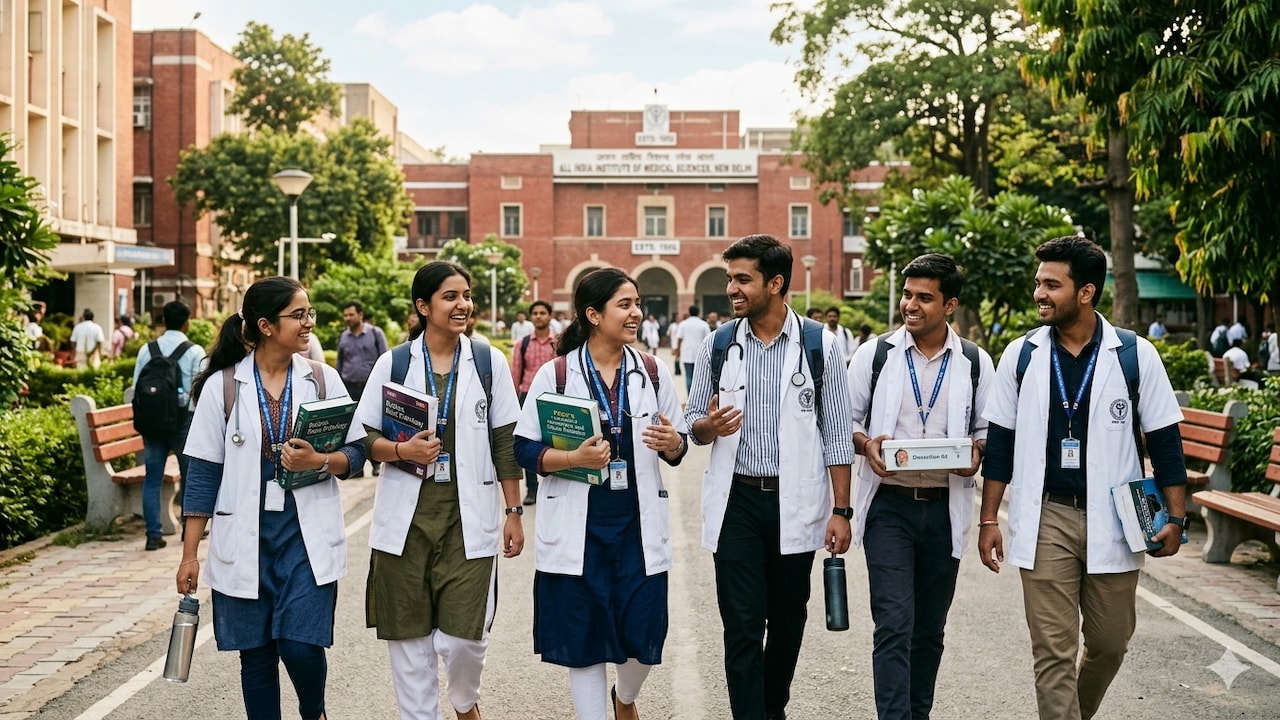
Global Breast Cancer Survival Improves, Yet India Trails Behind
A new report from the World Health Organization (WHO) reveals that breast cancer survival rates have increased worldwide over the past two decades, driven by advances in early detection and treatment. However, the same report highlights a stark disparity: India's survival rates remain significantly lower than those in wealthy nations.
The WHO's Global Breast Cancer Initiative report, released this week, notes that the five-year survival rate for breast cancer now exceeds 90% in high-income countries such as the United States, Japan, and several European nations. In contrast, India's five-year survival rate is estimated at around 66%, a figure that has improved from earlier decades but still lags behind the global average of about 75%.
Experts attribute the gap to several factors. In India, late diagnosis is common due to limited awareness, inadequate screening infrastructure, and socio-economic barriers that prevent many women from seeking timely medical help. Additionally, access to standard treatment—including surgery, radiation, and chemotherapy—remains uneven across the country, particularly in rural areas.
Breast cancer is the most common cancer among women in India, accounting for about 27% of all female cancers. The WHO report emphasizes that early detection is key to improving survival. It calls on governments to invest in public health campaigns, strengthen primary healthcare systems, and ensure that all women have access to affordable treatment.
The report also notes positive trends. India has seen a gradual decline in breast cancer mortality rates due to improved awareness and better treatment options in major cities. But for the country to catch up with richer nations, experts say a concerted effort is needed to bridge the urban-rural divide and reduce financial barriers to care.