G7 Summit in France: Key Takeaways on Ukraine, Strait of Hormuz, and Migration
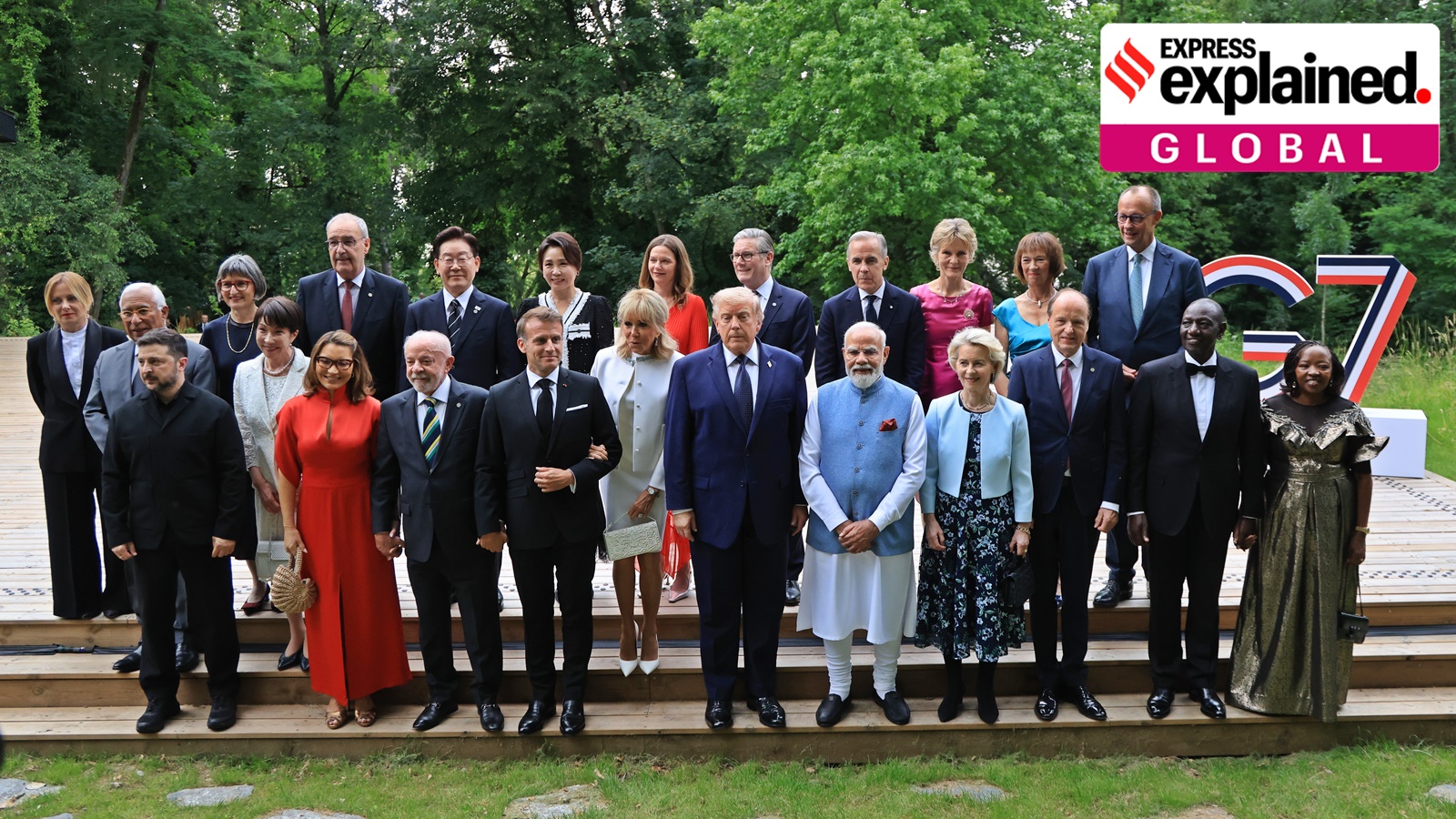
The G7 summit held in France from June 15 to 17 brought together leaders from Canada, France, Germany, Italy, Japan, the United Kingdom, and the United States. The meeting addressed geopolitical tensions, economic instability, and global challenges, with Ukrainian President Volodymyr Zelenskyy attending amid the ongoing Russia-Ukraine war. India also participated, with Prime Minister Narendra Modi raising concerns about the safety of Indian seafarers in the Strait of Hormuz.
Here are the main outcomes from the summit:
1. Russia-Ukraine War: G7 leaders reaffirmed their support for Ukraine, stating they stand united in defending its freedom, sovereignty, and territorial integrity. They agreed to provide air defence aid and signaled increased sanctions on Russian oil and gas. Prime Minister Modi met Zelenskyy and emphasised that India stands with peace and places humanity above all else.
2. Strait of Hormuz Passage: Following tensions in the region, G7 leaders welcomed a recent deal and reaffirmed the right of transit passage without restrictions or tolls. They called for robust resolutions to ensure peace and freedom of navigation. Iran's nuclear programme was also discussed, with leaders urging progress under the US-Iran memorandum of understanding and negotiations to prevent Iran from acquiring nuclear weapons.
3. Migration and Human Trafficking: G7 leaders renewed commitment to preventing and dismantling criminal networks involved in migrant smuggling and human trafficking. The issue of migration remains sensitive globally, with recent discussions in South Asia, including between Bangladesh and India over the repatriation of undocumented migrants. The G7 statement also addressed broader international partnerships and rebuilding cooperation.
The summit highlighted ongoing efforts to address global challenges through multilateral dialogue, with implications for regional stability and international law.