EWS Quota: Factual Look at UPSC Toppers from Economically Weaker Sections
The Economically Weaker Sections (EWS) quota, introduced in 2019 through the 103rd Constitutional Amendment, provides 10% reservation in education and government jobs for candidates from the General Category who are not eligible for SC, ST, or OBC reservations and meet prescribed income and asset criteria.
Under current rules, families with an annual income below ₹8 lakh and within specified asset limits qualify for EWS benefits. This policy aims to ensure representation for economically disadvantaged citizens outside the traditional caste-based reservation framework.
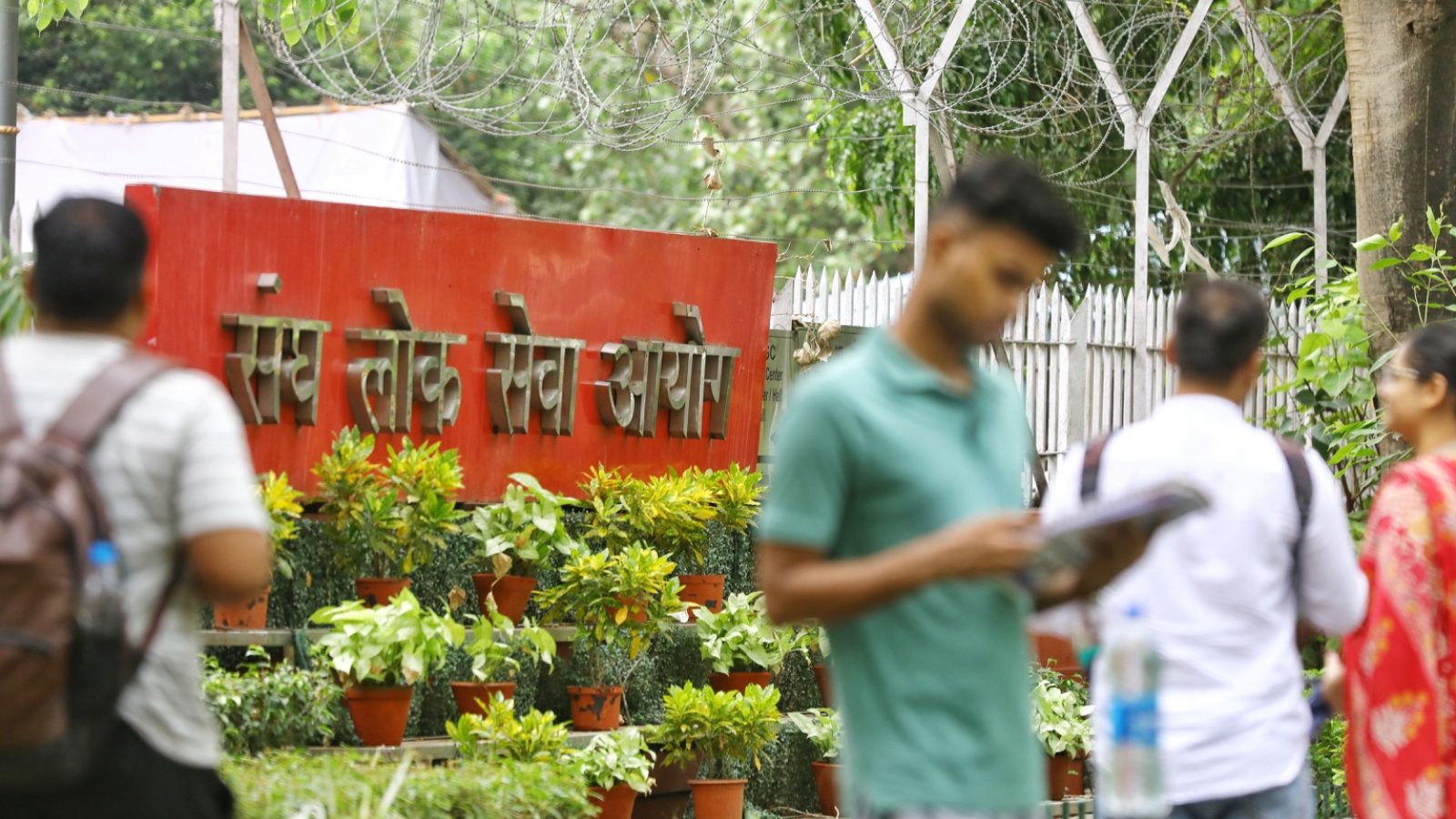
An Express investigation into the backgrounds of UPSC toppers from the EWS category reveals that many come from modest financial circumstances yet managed to clear one of India's toughest competitive exams. The analysis focused only on candidates who had explicitly claimed EWS status.
Among those studied, several grew up in families with annual incomes well below the ₹8 lakh threshold. Their success stories reflect both individual perseverance and the impact of targeted reservation policies. However, the investigation also noted variations in how EWS criteria are verified across different examination cycles.
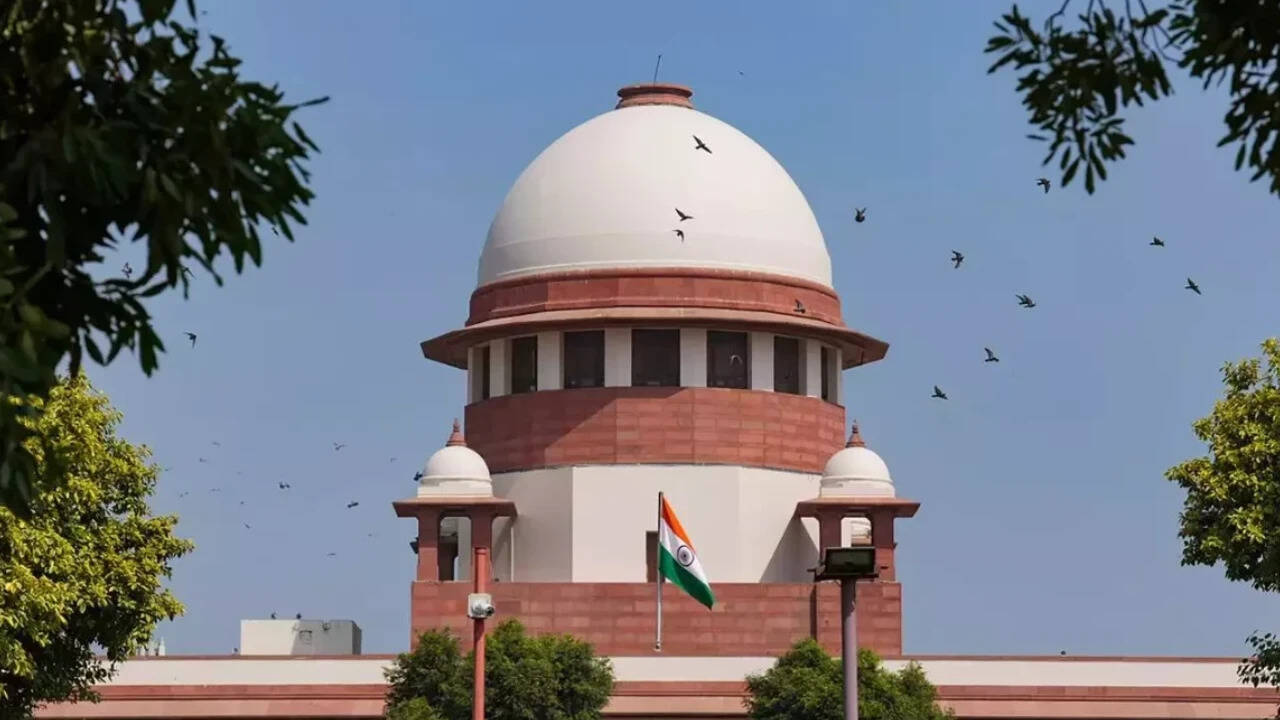
It is important to clarify that the EWS quota is separate from existing reservations for Scheduled Castes, Scheduled Tribes, and Other Backward Classes. The constitutional validity of the EWS amendment was upheld by the Supreme Court in 2022, subject to certain conditions regarding its implementation.
Critics have raised concerns about the income and asset limits, arguing they may not capture true economic disadvantage. Supporters counter that the quota provides much-needed opportunities for poor General Category candidates. The government has periodically reviewed the thresholds, though no changes have been made since the scheme's inception.
This investigation underscores the need for transparent data on the socioeconomic backgrounds of UPSC candidates to assess whether the reservation is reaching its intended beneficiaries. As India debates reservation policies, such evidence-based analyses contribute to informed public discourse.