EU Freezes Oil Price Cap at $44 in 21st Package of Russia Sanctions

European Union countries on July 23, 2026, agreed to a modified round of sanctions against Russia over the war in Ukraine, after weeks of negotiations among member states. This marks the 21st sanctions package from the EU since Russia's invasion in February 2022.
The package targets sectors including energy, financial services, cryptocurrency, and trade, according to European Council President Antonio Costa. A key element is the freezing of a price cap on Russian crude oil exports at $44 per barrel for the next 12 months, preventing an automatic increase that could have allowed Russia to benefit from rising oil prices linked to conflicts in West Asia.
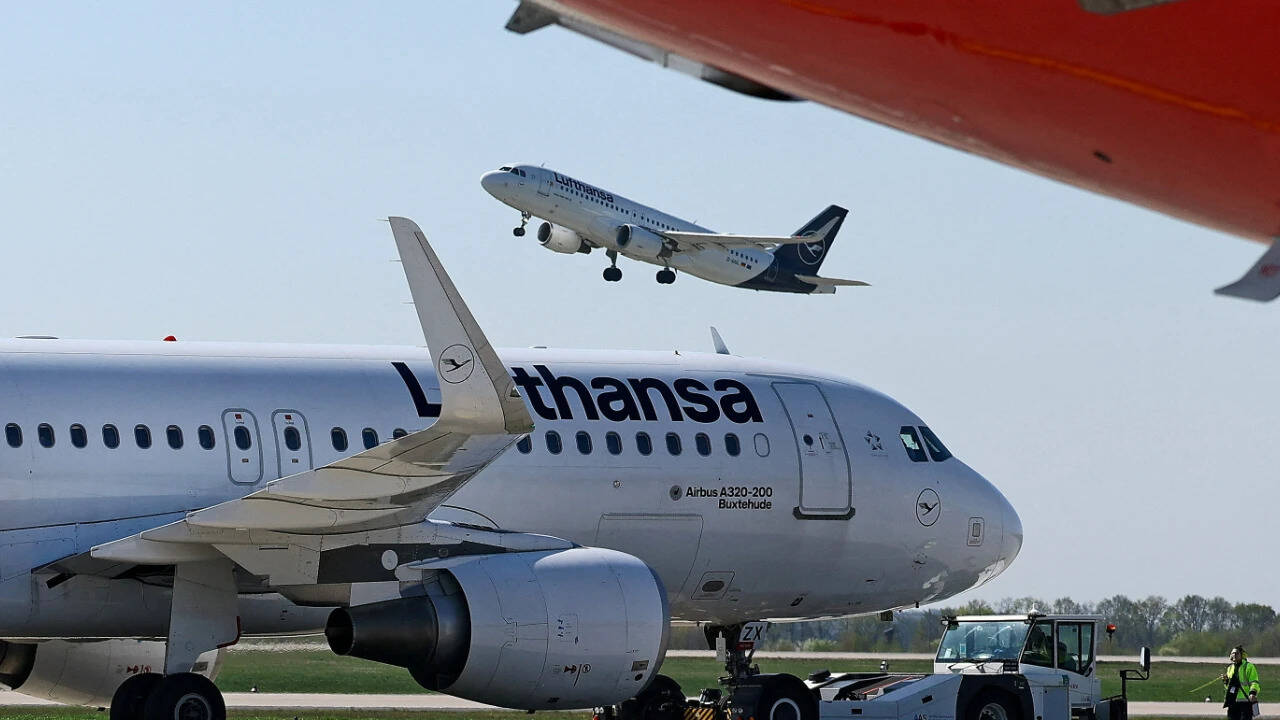
Diplomats noted that the final agreement was reached after Greece secured an exemption allowing its shipping firms to continue transporting Russian liquefied natural gas from the Arctic. The package also includes new measures against Russia's financial sector and crypto firms, and adds more Russian officials to asset freeze and visa ban lists.
However, a proposed blanket visa ban on Russians who fought in Ukraine was postponed, with only a commitment to pursue it in the future. Other elements were dropped: Bulgaria blocked the blacklisting of Russian Orthodox Patriarch Kirill, while Portugal and France objected to a ban on imports of Russian cod and Alaskan pollock.
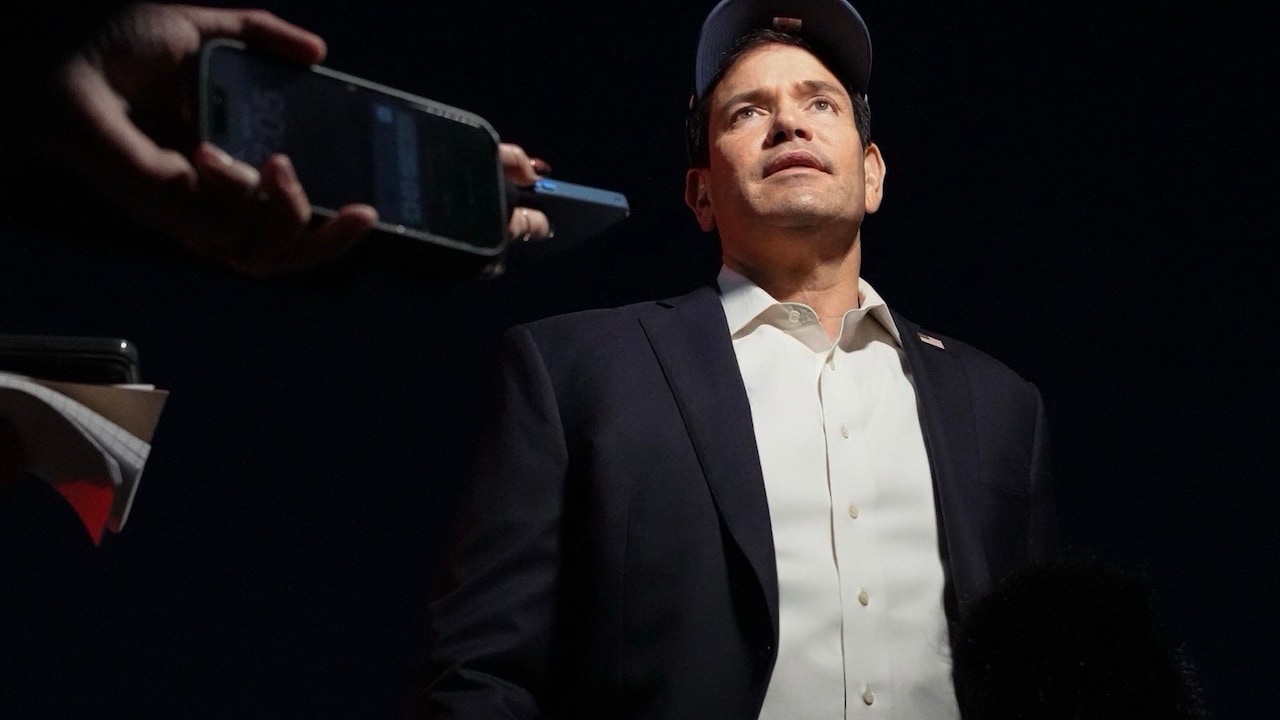
Ukrainian President Volodymyr Zelenskyy welcomed the sanctions, stating it is crucial to maintain unity and pressure on Russia, and expressed hope for further restrictions in the next package. European Commission President Ursula von der Leyen said the sanctions continue to weaken Russia's economic capacity to sustain the war.
Russia has so far weathered Western economic punishments, but EU officials maintain the measures are increasingly effective. Nevertheless, diplomats acknowledge that after over 20 rounds, identifying new areas of consensus among all 27 member states is becoming more challenging.