ECI's electoral roll revision follows due legal process, says Union Minister in Rajya Sabha

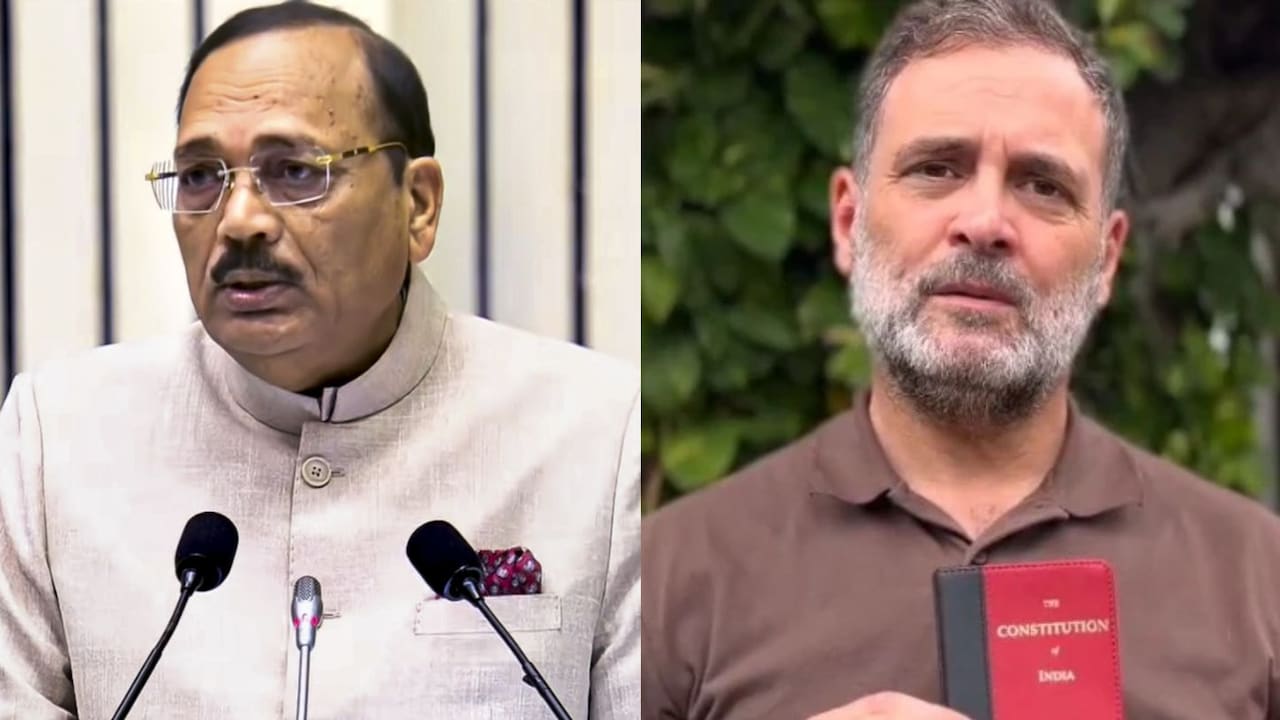
The Election Commission of India (ECI) conducts the Special Intensive Revision (SIR) of electoral rolls with due diligence and without prejudice to any community, Union Minister of State for Law and Justice Arjun Ram Meghwal told the Rajya Sabha recently.
Responding to a question from Rajya Sabha member Rajathi (Salma) of Tamil Nadu, Meghwal said the ECI, under Article 324 of the Constitution, is responsible for the supervision, direction, and control of the preparation of electoral rolls and the conduct of elections for Parliament and state legislatures. The Supreme Court has also upheld the ECI's power to conduct SIR, he added.
The MP had drawn the government's attention to a United Nations Special Rapporteur's expression of concern regarding the SIR process, particularly the large-scale deletion of names from electoral rolls, with reference to West Bengal.
SIR is a periodic exercise aimed at updating electoral rolls to reflect changes in residence, deaths, and other demographic shifts. It is intended to ensure that no eligible voter is left out and that ineligible or duplicate entries are removed. Such exercises have drawn scrutiny from political parties and civil society, with some alleging that deletions may not always be accurate. However, the ECI has consistently maintained that the process follows the prescribed legal framework.
Explaining the rationale behind such revisions, Meghwal said rapid urbanisation, migration for education or employment, and other socio-economic changes have led to frequent shifting of residences. As a result, many electors register in their new constituency while their names continue to appear on the old rolls, causing duplication or incorrect entries.
He said the ECI has clarified that it carries out internal quality checks at each stage of SIR. These include cross-verification of block-level officer enumeration through supervisory officers, random sample audits of deleted entries, and public disclosure of draft and final electoral rolls. This enables scrutiny by political parties and electors, ensuring transparency in the process.
Grievances received during the claims and objections period are examined, and wherever found valid, appropriate action is taken before the finalisation of the rolls. Even after finalisation, individuals can file appeals with the concerned District Magistrate and subsequently with the concerned Chief Electoral Officer, as per Section 24 of the Representation of the People Act, 1950.
The minister reiterated that the SIR process is carried out without prejudice to any group or community, underscoring the ECI's commitment to impartiality. Accurate and up-to-date electoral rolls are fundamental to free and fair elections in the world's largest democracy, and the government maintains that the ECI follows a robust procedure to balance the need for accuracy with the protection of voters' rights.