Disney and ABC sue FCC over early licence renewal, citing editorial targeting
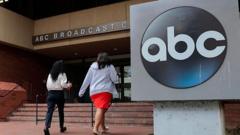
The Walt Disney Company and its American Broadcasting Company (ABC) have filed a lawsuit against the U.S. Federal Communications Commission (FCC) and its chairman, seeking to stop an early licence renewal process for ABC-owned television stations. The legal action, filed on Tuesday, alleges that the move is a retaliatory response to ABC's editorial content, which the company says is protected under the First Amendment.
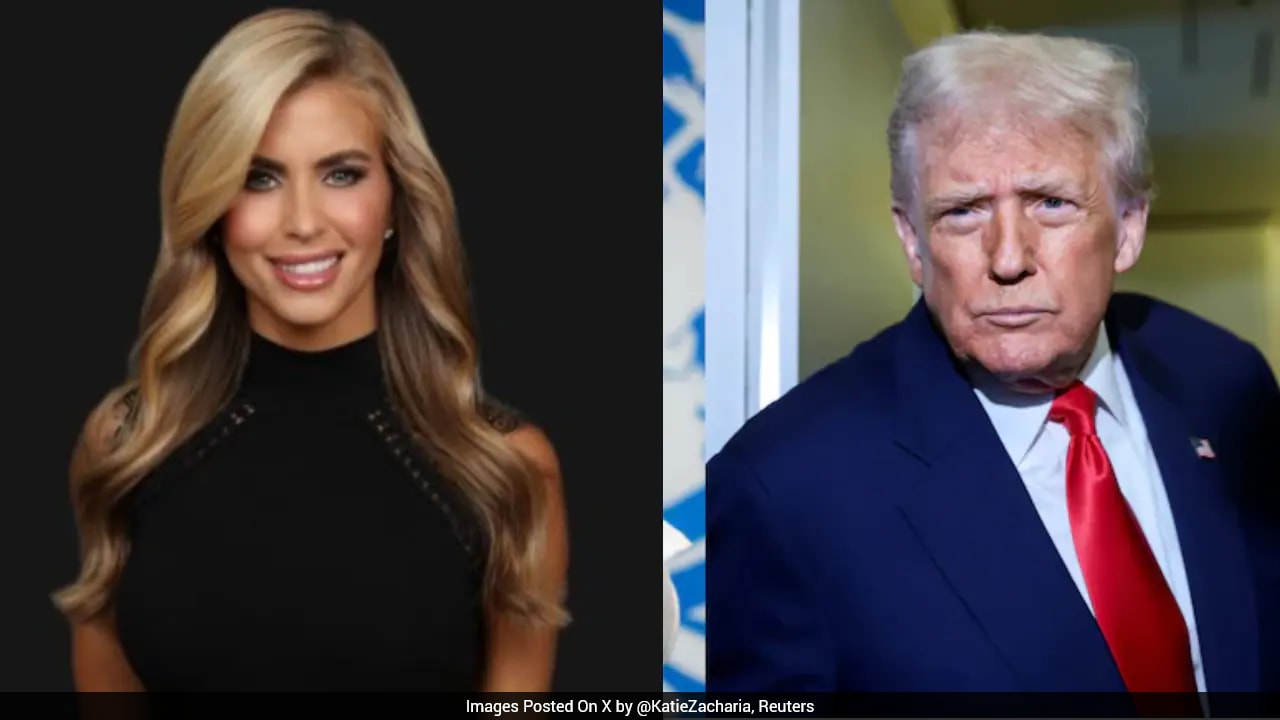
The lawsuit describes the FCC's order as “unprecedented”, noting that the commission has not called for early renewal of broadcast licences in over 50 years. Disney and its eight owned-and-operated stations argue that the accelerated process is politically driven, coming after criticism of the network by President Donald Trump. The complaint cites several of Trump's social media posts, including one in which he questioned whether ABC's licences “should be terminated” and answered his own question in the affirmative.
“Government censorship is deeply un-American,” the lawsuit states. “This case concerns the Administration's sustained effort to do just that.” Disney further alleges that the administration has “waged a retaliatory campaign against ABC for a single reason: it disapproves of what ABC broadcasts.”
The FCC ordered the licence renewals in April, a day after ABC's late-night host Jimmy Kimmel made a joke about first lady Melania Trump. The company notes that the order gave ABC and Disney just 30 days to file applications, which it says “ordinarily take months to prepare.” The lawsuit also points out that the FCC has never before demanded early renewal applications from a group of stations commonly owned by a single broadcast network.
In response, the FCC defended its actions, stating that the renewal requests were focused on the “public interest”, not retaliation. In an emailed statement, the commission reiterated: “All broadcasters have a legal obligation to operate in the public interest—even Disney.” The FCC added that it had been examining claims of “illegal DEI discrimination” by Disney for over a year, and that it would “continue to follow the facts and law wherever they lead.”
The reference to DEI relates to a separate investigation into Disney's diversity, equity, and inclusion practices, as well as ABC's daytime talk show “The View.” The FCC, led by Chairman Brendan Carr, has said the licence renewal process is standard practice, but Disney argues that the timing and circumstances suggest otherwise. Carr has previously stated that the commission's review is not about retaliation but about ensuring compliance with public interest obligations.
Legal experts note that broadcast licence renewals are typically routine, but the FCC's decision to accelerate the process for a major network like ABC is highly unusual. The lawsuit requests a temporary restraining order and a speedy hearing, which would pause the renewal process until the court can review the case.
This legal battle highlights the ongoing tension between media outlets and government regulators over editorial independence. While the FCC maintains its actions are legally grounded, Disney's lawsuit raises concerns about the use of regulatory powers to influence broadcast content. The case is expected to draw significant attention as it moves through the courts, with implications for press freedom and the relationship between the government and the media.
Neither Disney nor ABC has commented beyond the lawsuit, and the FCC has declined to address the specific allegations in detail. The court has not yet set a date for the hearing.