Delhi's Auto Drivers Brace for EV Transition, Recalling CNG Chaos
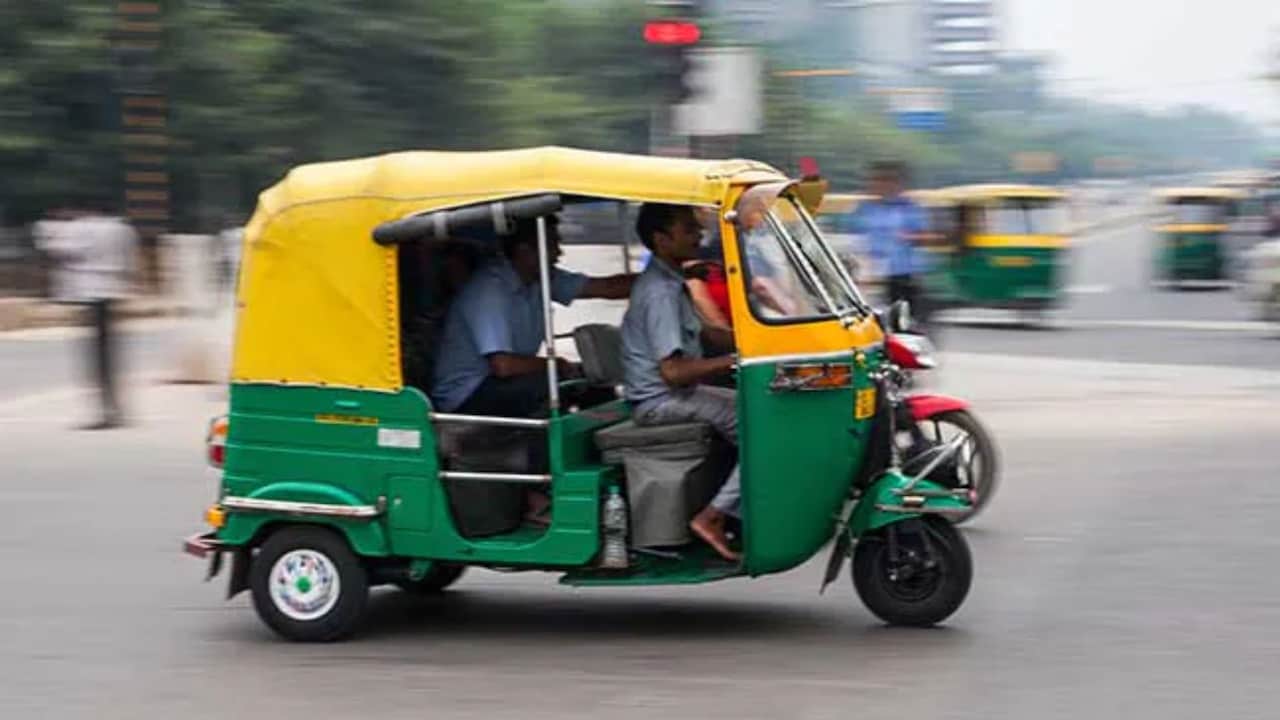
Every morning, before Delhi's roads fill with commuters, Rama Shankar Shukla starts his day behind the wheel of his auto-rickshaw. After nearly three decades on the capital's roads, he has witnessed one of Delhi's biggest transport transitions before. Now, he believes another is beginning.
The 58-year-old remembers driving a petrol auto before Delhi switched to compressed natural gas (CNG) in the early 2000s. He remembers spending hours outside filling stations, uncertain whether there would be enough fuel to complete the day's work. Today, as the Delhi government prepares to roll out its new Electric Vehicle (EV) Policy, those memories are resurfacing.
"I've been driving an auto in Delhi for nearly 30 years. In all that time, the biggest change I saw was the shift from petrol and diesel autos to CNG in the early 2000s. Now, the move to electric vehicles feels like another such turning point," Shukla said.
For thousands of Delhi's auto-rickshaw drivers, the conversation around electric mobility is not just about cleaner air. It is about livelihoods, affordability and whether the city has learnt enough from one of its most difficult transport transitions.
Shukla remembers the CNG transition vividly. "When the CNG transition began, there was a lot of uncertainty. CNG would arrive in tankers, and drivers would rush to fill their tanks because nobody knew if fuel would be available the next day. Long queues at filling stations became normal. It took years for things to settle. More CNG stations came up, the supply improved, and by around 2005-06, people had accepted the new system."
Delhi's shift to CNG was triggered by a landmark Supreme Court order in the MC Mehta case aimed at tackling the capital's worsening air pollution. The court directed buses, taxis and auto-rickshaws to switch to cleaner fuel, but the supporting infrastructure was nowhere near ready. As the deadline approached, there were too few CNG stations, fuel supply remained erratic, and drivers often spent eight to ten hours waiting in queues. The Delhi government and transport operators repeatedly sought more time, arguing the city lacked adequate infrastructure, but the Supreme Court refused blanket extensions. Thousands of diesel buses were taken off the roads, disrupting public transport before the CNG network gradually expanded and the system stabilised.
Nearly 25 years later, Shukla says the uncertainty feels familiar, even if the technology has changed. "Today, the same uncertainty is back. Only now, instead of worrying about CNG, drivers are worried about charging stations, battery life, charging time and where they'll get repairs done."
He says rising CNG prices have already made it harder for drivers to make ends meet. "CNG is no longer as economical as it used to be. Prices have gone up significantly, but passengers aren't paying higher fares. Our earnings are getting squeezed." Competition has also intensified over the years. "App-based cabs and bike taxis have reduced our business, while the number of auto permits has remained the same."
Despite the concerns, he believes electric mobility is inevitable. "Every major transport transition takes time. Just like CNG eventually became normal, electric vehicles will also need proper infrastructure before drivers can fully accept the change."
The Delhi government's EV Policy marks the biggest overhaul of the capital's three-wheeler sector in more than two decades. From January 1, 2027, only electric auto-rickshaws will be eligible for new registrations. Existing CNG autos can continue operating until they complete their permitted lifespan, but replacement vehicles will have to be electric. To encourage the transition, the policy allows purchase incentives of up to Rs 50,000 for electric three-wheelers, continued exemption from road tax and registration charges, and plans to install 30,000 public charging stations across the city.







