Delhi Security Tightened Ahead of CJP Protest: 400 Detained, Metro Shut, 250 Trains Cancelled
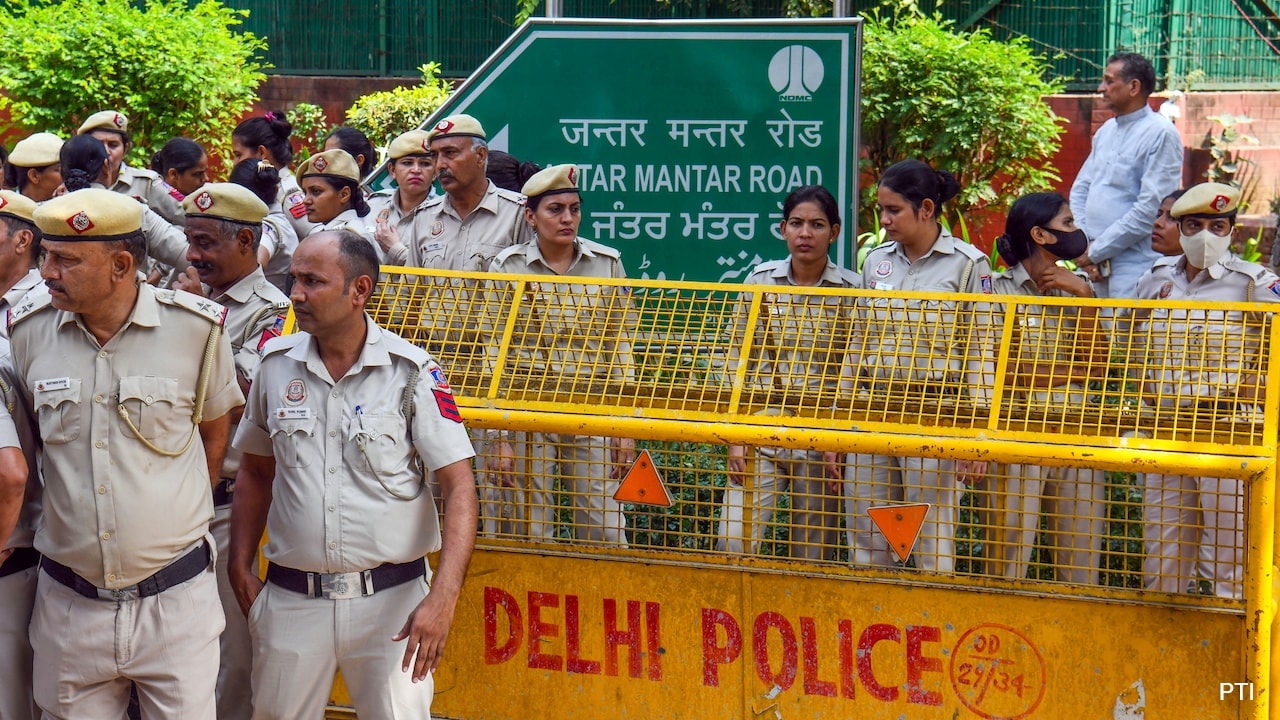
Authorities have deployed more than 20,000 police and Central Armed Police Forces personnel in Delhi ahead of a planned protest by the Cockroach Janta Party (CJP) at Jantar Mantar. The CJP has called for a demonstration against Chief Election Commissioner Gyanesh Kumar. The police have not granted permission for the protest.
The security measures come after the July 20 paper leak protests, which saw police action and led to the resignation of Education Minister Dharmendra Pradhan. Both sides are preparing for a large gathering, though the exact number of protesters is not known.
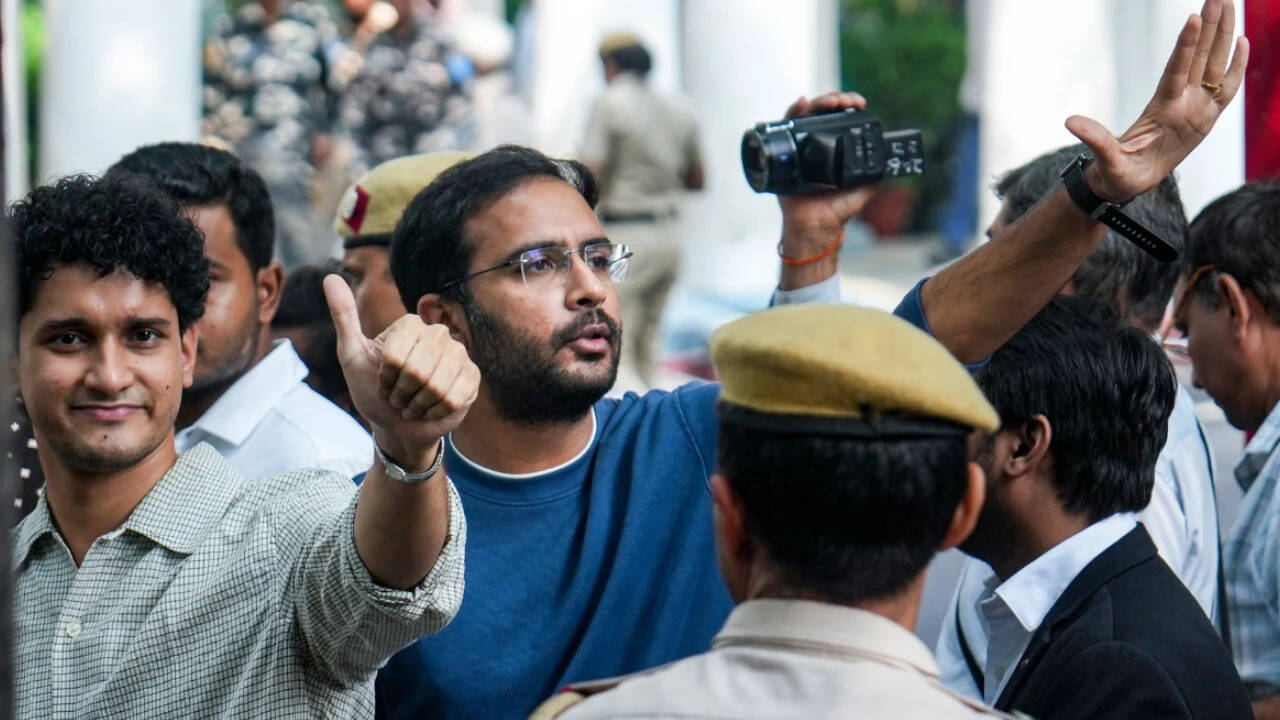
In the run-up to the protest, over 400 people have been detained across the capital, according to police. Officials said the detainees include some individuals with criminal records. Entry and exit gates at 45 Delhi Metro stations, including Rajiv Chowk, New Delhi, Central Secretariat, Patel Chowk and Kashmere Gate, will remain closed. More than 250 trains from other states, along with local trains scheduled to arrive at New Delhi and Hazrat Nizamuddin stations between 4 am and 2 pm on Saturday, have been cancelled.
Internet services have been suspended within a 4 km radius of the Janpath-Kartavya Path crossing for 24 hours, starting at 10 pm on Friday. The Delhi Police has issued a traffic advisory warning commuters about affected routes.
CJP founder Abhijeet Dipke said that despite the restrictions, volunteers and supporters will proceed with the plan to protest at Jantar Mantar. He asked, 'On the one hand, you say protests will lead to inconvenience. On the other hand, you have shut down the Metro, railways and blocked roads. Will this not lead to inconvenience?'
The Delhi Police security plan has two main objectives: maintaining law and order and ensuring that the force's handling of the protest does not lead to fresh criticism. Officials said instructions are clear: prevent protesters from entering the New Delhi district and remove them from restricted areas as quickly as possible.
The police have identified a radius of about 1.5 kilometres as a highly sensitive zone. This area covers Jantar Mantar, Janpath, the Election Commission's office and Delhi Police headquarters. More than 6,500 personnel will be deployed within this stretch, an official said, turning it into a heavily guarded zone.
Surveillance has been stepped up. Over 300 CCTV cameras equipped with audio recording capabilities have been installed at sensitive locations across the New Delhi district to monitor developments.
At Jantar Mantar, security arrangements have been strengthened with at least seven layers of barricades along the road leading to the protest site. Some of the final layers have been welded together to make them harder to breach.
Loudspeakers have been installed at sensitive locations, with recorded announcements informing people that permission has not been granted for the demonstration. The announcements urge people not to assemble for the protest, raise slogans, damage public property or assault police personnel.
Community centres, mosques and resident welfare associations (RWAs) have also been asked to spread the message that the protest has not been authorised. People travelling to New Delhi to participate have been warned that they could face arrest and legal action. Police have been checking lodges and hotels across New Delhi and Central Delhi, and hotel managers are being asked to discourage guests from participating.
The Supreme Court, hearing a plea related to the protest, observed that there cannot be a complete prohibition on the Delhi Metro and trains. The court's remarks came amid the restrictions imposed by the authorities.
With thousands of security personnel on the ground and public transport curtailed, the capital is on edge. The police have said they will act firmly to maintain order, while the CJP has insisted that its supporters will gather peacefully at Jantar Mantar.