Delhi H1N1 cases cross 1,700: Health ministry lists key symptoms to watch out for
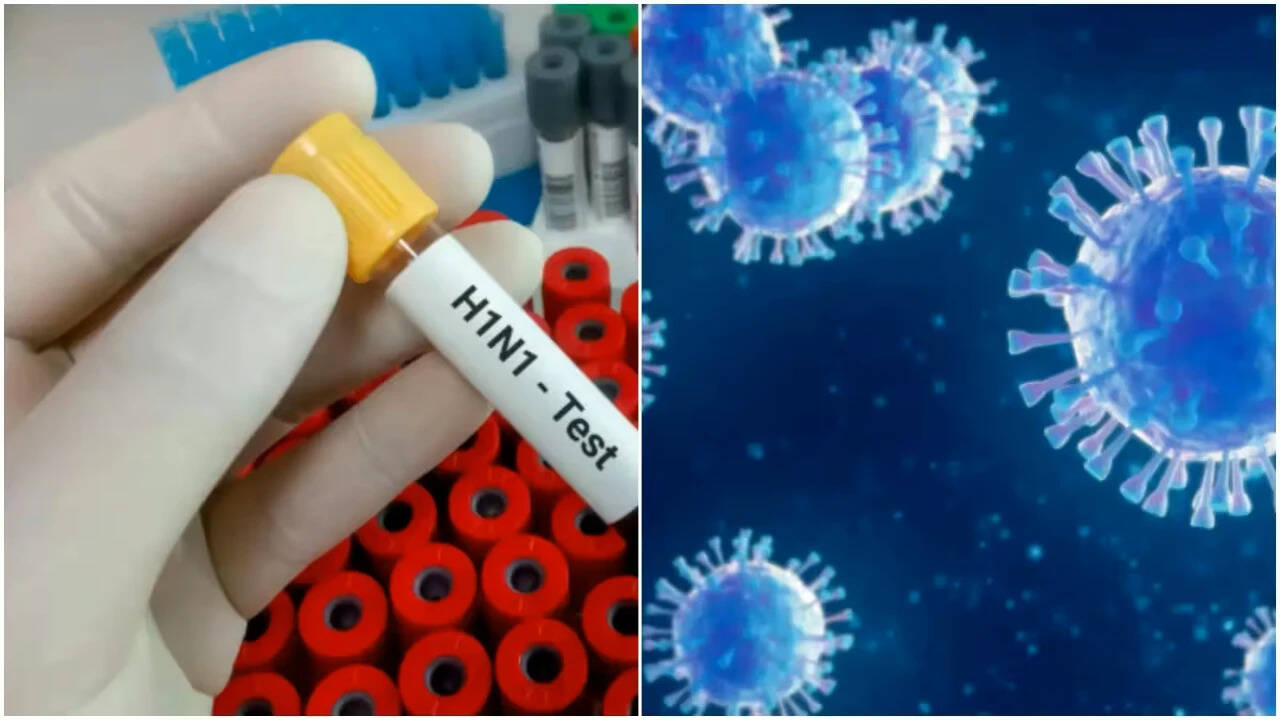
The national capital has recorded over 1,700 cases of H1N1, commonly known as swine flu, prompting the Union Health Ministry to issue an advisory outlining symptoms that require medical attention. Officials said the advisory is aimed at increasing public awareness and ensuring early detection to prevent complications.
The health ministry has listed typical influenza-like symptoms to watch out for, including fever, cough, sore throat, runny or stuffy nose, body aches, headache, chills, and fatigue. Some patients may also experience diarrhoea and vomiting. The advisory warns that these symptoms can escalate quickly, especially in vulnerable individuals, and emphasises the need for prompt consultation with a doctor.
In addition to common symptoms, the ministry has highlighted certain warning signs that warrant immediate hospital care. These include difficulty in breathing, pain or pressure in the chest, sudden dizziness, confusion, severe or persistent vomiting, and a high fever lasting beyond three days. For children, irritability, poor feeding, and bluish lips or face are red flags that require urgent medical attention.
H1N1 is a respiratory infection caused by the influenza A virus. It spreads from person to person through droplets when an infected person coughs, sneezes, or talks. The virus can also survive on surfaces for several hours, making hand hygiene and surface cleaning important preventive measures. The infection typically has an incubation period of one to four days, and an infected person can be contagious from a day before symptoms appear to up to seven days after becoming sick.
While most people infected with H1N1 recover without medical intervention, certain groups are at higher risk of developing severe illness. Pregnant women, young children under the age of five, the elderly (aged 65 and above), and individuals with chronic conditions such as asthma, diabetes, heart disease, or weakened immune systems should seek medical advice at the earliest sign of infection. The ministry has advised these groups to be particularly cautious and not delay treatment.
The advisory stresses that early diagnosis and supportive care can significantly reduce the risk of complications. Self-medication, especially with antibiotics, is strongly discouraged as they are ineffective against viral infections. Antiviral drugs, if prescribed by a doctor, are most beneficial when started within 48 hours of symptom onset. Patients are advised to stay hydrated, get adequate rest, and use simple analgesics to relieve fever and body pain, but only under medical supervision.
Prevention is a key focus of the advisory. The ministry recommends frequent hand washing with soap and water or using alcohol-based sanitisers, covering the mouth and nose with a tissue or elbow while coughing or sneezing, avoiding close contact with people who are sick, and staying home when unwell. Annual influenza vaccination is also advised, particularly for high-risk groups and healthcare workers, as it can reduce the severity of the disease.
The advisory comes amid a seasonal rise in respiratory infections in Delhi, which has seen a steady increase in H1N1 cases over the past few weeks. Health authorities have said hospitals are well equipped to handle the caseload, and testing facilities are available at government and private centres. Officials have urged the public not to panic but to remain vigilant and practise preventive measures. The ministry is closely monitoring the situation and has asked state governments to ensure adequate stock of medicines and testing kits.
Public health experts note that H1N1 has been circulating since the 2009 pandemic and has become a seasonal strain of influenza. While the virus causes mild illness in most people, its ability to affect the lower respiratory tract makes early recognition crucial. The health ministry's message is simple: know the symptoms, seek care early, and follow preventive steps to protect yourself and others.