Delhi announces ban on new petrol two-wheelers from 2028 in push for electric vehicles
The Delhi government has announced that from April 1, 2028, no new petrol or diesel two-wheelers (motorcycles and scooters) will be registered in the capital. The registration of new CNG auto-rickshaws will stop at the end of this year. The measures are part of the Delhi Electric Vehicle Policy 2.0, which aims to tackle the city's severe air pollution.
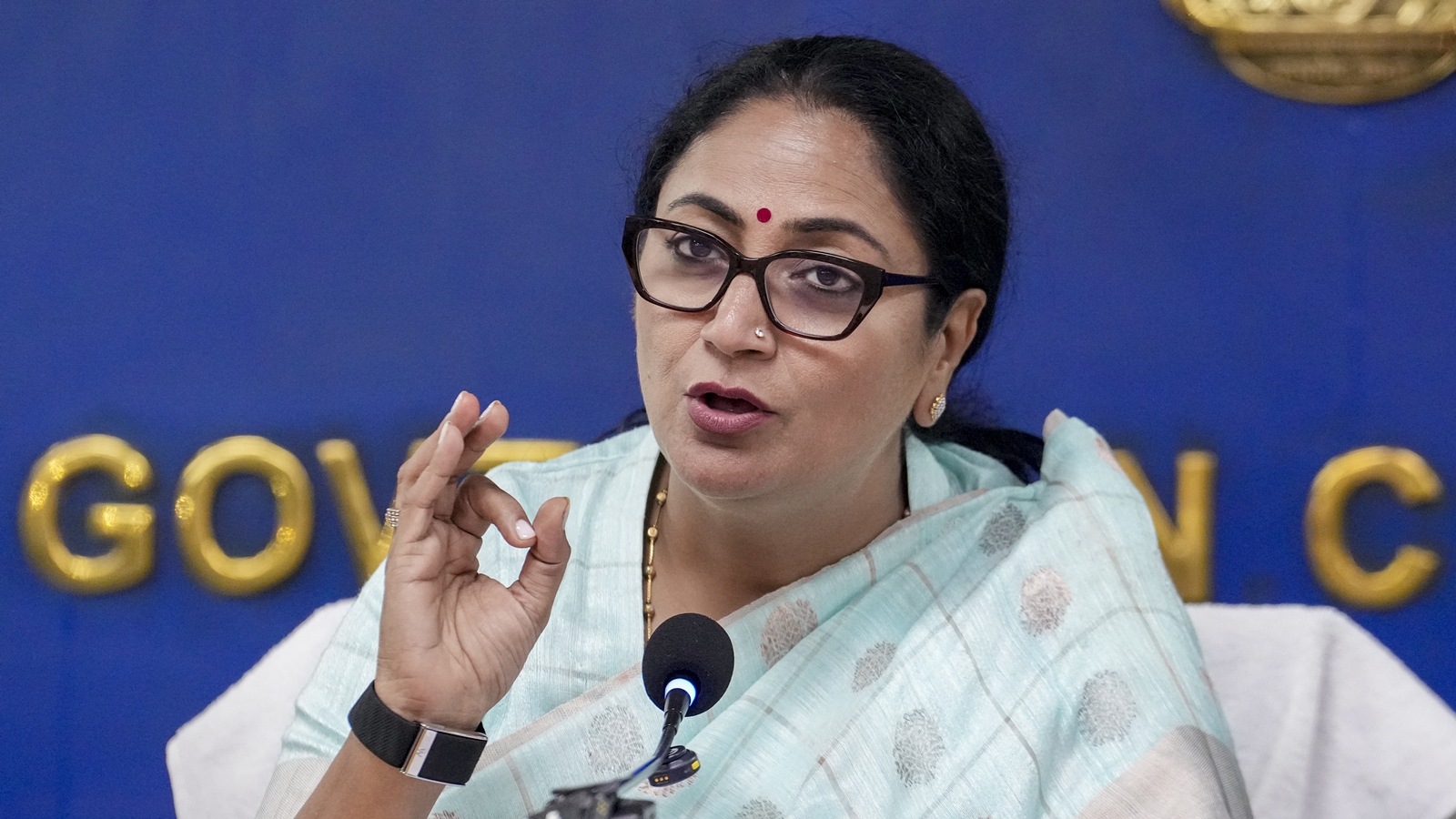
The policy, approved by Lieutenant Governor Taranjit Singh Sandhu, will take effect on July 1. Chief Minister Rekha Gupta stated that the government aims to make Delhi pollution-free by March 31, 2030, with an investment of Rs 15,000 crore in incentives and charging infrastructure.
Existing non-electric two-wheelers will remain unaffected, according to a senior Transport Department official. The official emphasised that the transition period of two years is intended to allow both consumers and manufacturers to adapt gradually.
The policy expands on an earlier EV policy introduced by the previous Aam Aadmi Party government, which expired in 2023 after multiple extensions. That policy had targeted 25% EV share in new registrations by 2024.
Under the new policy, buyers of electric two-wheelers will receive a cash incentive of Rs 30,000 in the first year, Rs 20,000 in the second, and Rs 10,000 in the third. For electric three-wheelers (autos), incentives will be Rs 50,000, Rs 40,000, and Rs 30,000 respectively. Scrapping incentives are also available: Rs 10,000 for BS-IV or older two-wheelers, Rs 25,000 for three-wheelers, and up to Rs 1 lakh for electric trucks in the first year.
Transport Secretary and Commissioner Niharika Rai cited a 2008 TERI study indicating that two- and three-wheelers contribute 46% of Delhi's vehicular pollution. The policy focuses on electrifying these categories, along with light commercial vehicles (N1 category), which account for a significant share of goods vehicles.
The first 1,000 electric trucks (N2 category) purchased within three months of notification will get a waiver of the Delhi entry fee. Additionally, the first 1 lakh owners scrapping BS-IV or older four-wheelers will receive Rs 1 lakh.
The policy aims to accelerate the shift to electric vehicles and reduce the capital's chronic air pollution.