Delhi air quality study reveals persistent PM2.5 pollution despite drop in NO2, ozone
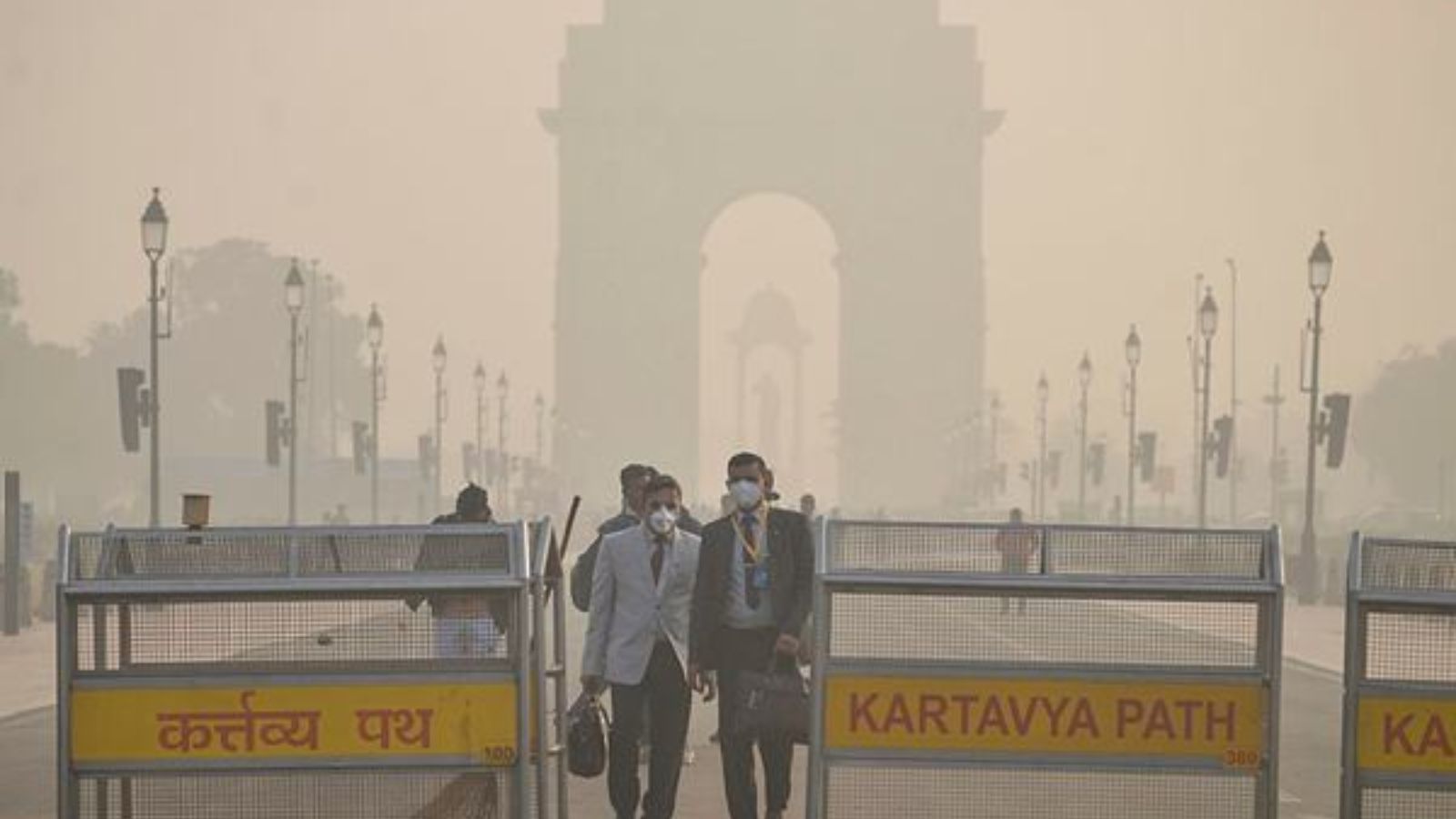
A new analysis by think tank EnviroCatalysts has revealed contrasting trends in Delhi's air quality during the first half of 2026. The study, released on Tuesday, examined data from January 1 to June 20, comparing it with the same period in 2025.
While nitrogen dioxide (NO₂) and ground-level ozone concentrations have decreased this year, fine particulate matter (PM2.5) — particles smaller than 2.5 microns that can penetrate deep into lung tissue — remained persistently elevated. The study also noted increasingly intense winter pollution episodes.
Average NO₂ concentrations declined by 9.4%, from 48 µg/m³ in 2025 to 44 µg/m³ in 2026. Ground-level ozone levels fell by 20%, averaging 35 µg/m³. However, PM2.5 levels showed no such improvement.
During peak regional pollution events in mid-January, Anand Vihar recorded a peak hourly PM2.5 concentration of 876 µg/m³, followed by RK Puram (792 µg/m³), Ashok Vihar (768 µg/m³) and Mundka (738 µg/m³). The study characterised neighbourhoods bordered by high-density transit corridors and commercial construction as severe 'red zones' — pollution hotspots.
With the monsoon expected to arrive in the coming weeks, air quality in the Capital is anticipated to improve temporarily. The analysis underscores the need for sustained, sector-specific interventions to address the persistent PM2.5 problem, even as certain pollutants linked to vehicular emissions show signs of abatement.