Congress Seeks Action Over Shivamogga Voter Deletion Plea, Alleges False Information

Shivamogga: The Shivamogga District Congress Committee (DCC) has demanded that the administration take legal action against people who file applications seeking deletion of names from the electoral roll on the basis of what it says is false information.
Addressing a press conference in Shivamogga on Wednesday, DCC president H.C. Yogesh said Sathish, a BJP office-bearer in Tirthahalli taluk, had submitted an application before the tahsildar seeking a review of 81 names on the draft voters' list for Part No. 186 in the taluk. The application stated that these persons were not residents of the locality, Mr. Yogesh said.
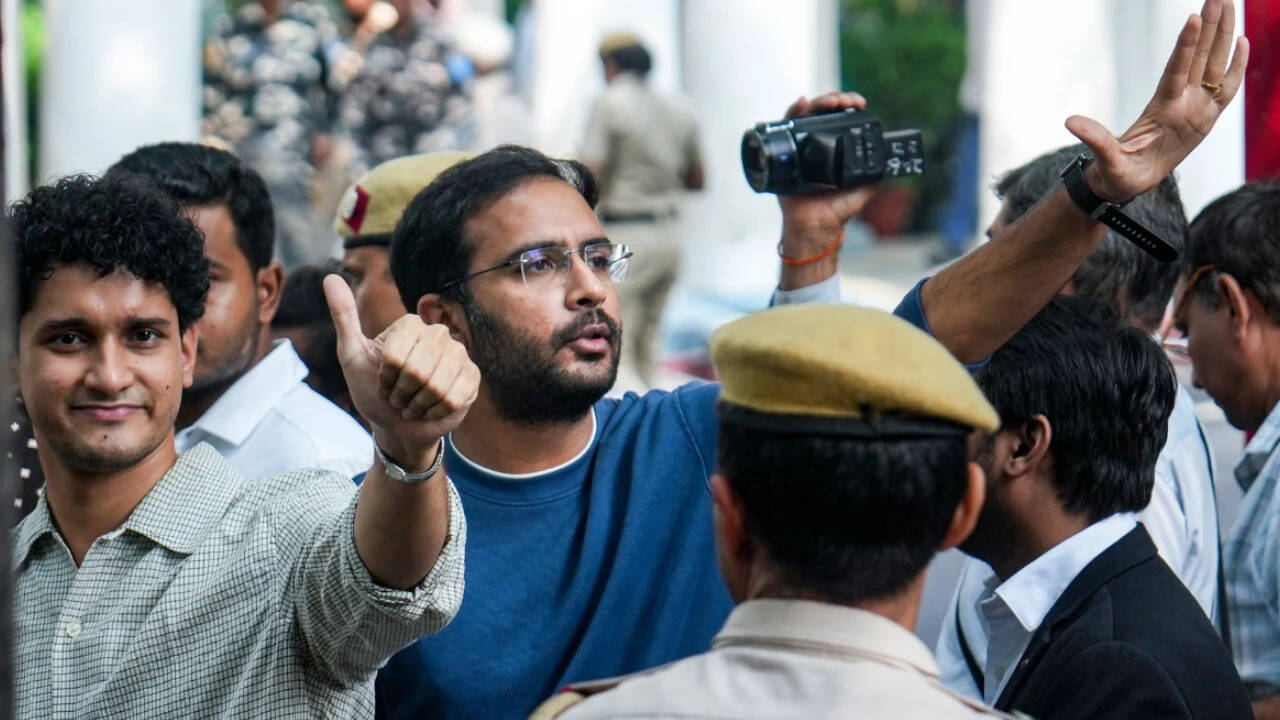
Mr. Yogesh said most of the names cited in the application were those of Muslims. "These voters are residents of the constituency. They had submitted filled-in enumeration forms as part of the Special Intensive Revision (SIR). The application furnishes false information. The administration should take action against those who seek deletion of names on such grounds," he said. Youth Congress workers staged a protest in Shivamogga over the issue.
Tahsildar of Tirthahalli S. Ranjith told The Hindu that objections to the draft electoral roll can be filed until October 23. Acting on the application seeking a review of the names, he said he had directed the Revenue Inspector and the Booth Level Officer to verify the names and submit a report. The outcome of that verification is awaited. A response from the BJP office-bearer named in the application was not available.
How the process works
Under the Special Intensive Revision exercise, election officials conduct a house-to-house enumeration to verify the details of existing electors. A draft roll is then published, and electors are given time to file claims for inclusion, or objections seeking removal of names they believe are wrongly listed. These steps are governed by the Representation of the People Act, 1950, and the directions of the Election Commission of India.
An objection is not by itself a ground for deletion. Objections are expected to be supported by reasons and evidence, and the person whose name is challenged is ordinarily given an opportunity to be heard before the Electoral Registration Officer decides the matter. A name is removed only after verification — usually by the Booth Level Officer and Revenue Inspector — and after due process. The burden of substantiating an objection lies with the person who files it.
The dispute in Tirthahalli therefore turns on a question of fact that the verification report is expected to settle: whether the 81 persons named in the application are genuine residents of the locality who figure correctly on the draft roll, or whether their inclusion is improper.
Political parties across the spectrum have in recent months issued public statements about the accuracy of electoral rolls, and allegations of wrongful inclusion or wrongful deletion have been raised in several States. Election officials have consistently maintained that individual claims and objections should be decided on evidence, and that roll revision is a quasi-judicial exercise rather than a matter of political argument.
For voters, two practical points follow. First, anyone whose name figures in an objection is entitled to notice and a hearing, and can produce documents such as ration cards, electricity bills, or enumeration receipts to establish residence. Second, any elector may file a claim or objection within the notified window, which in this case closes on October 23; forms are available with the Booth Level Officer and at the tahsildar's office.
The DCC has framed its demand as one of accountability — that false information filed before a statutory authority should attract consequences. The administration has so far responded with the process prescribed by law: verify first, and decide thereafter. The verification report will determine the next step in the matter.