Congress says Census 2027 caste methodology 'deliberately flawed'

The Congress party has alleged that the methodology for collecting caste-related data in the upcoming Census 2027 is 'deliberately flawed'. The party also claimed that the questionnaire includes 'micro questions' on religion, date of birth, and place of birth of parents that have never been asked in previous censuses, suggesting a 'deeper nefarious purpose' behind the exercise.
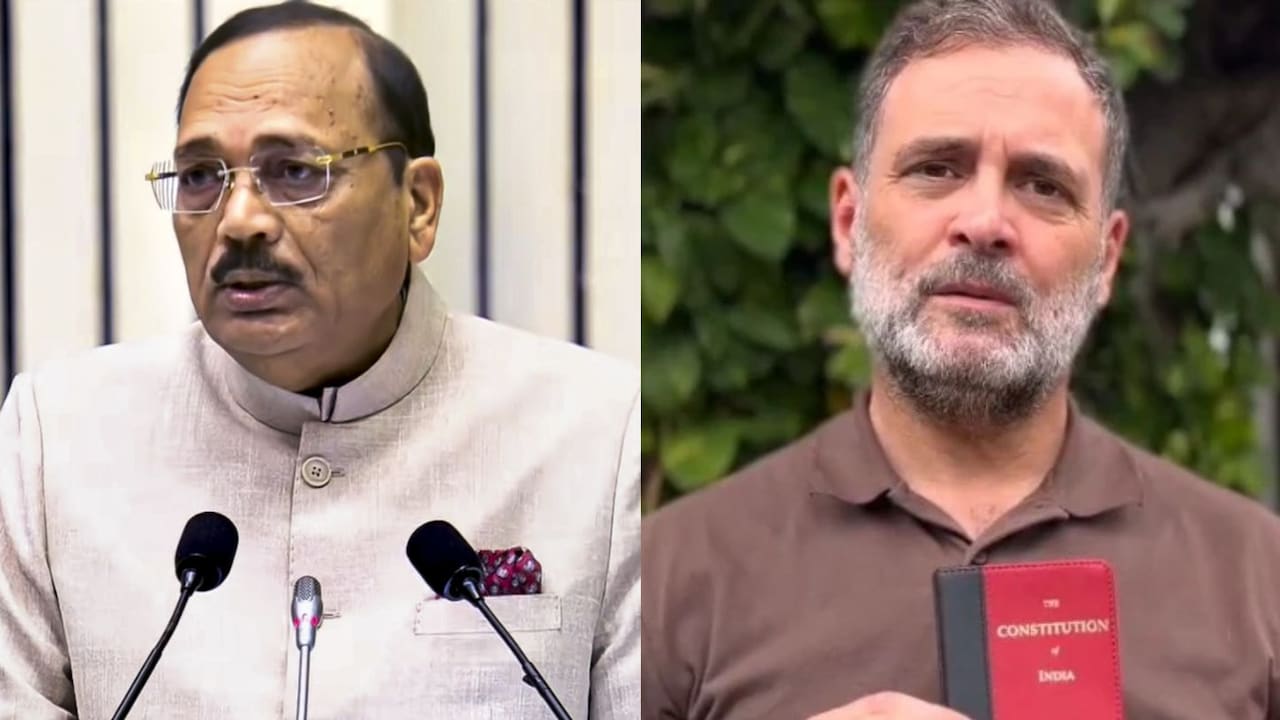
Jairam Ramesh, Congress general secretary in-charge communications, shared a media report stating that the Census 2027 questionnaire seeks information on the religion, date of birth, and place of birth up to the village level of both the father and mother. The report also said that, apart from an open field to declare caste, respondents will have options such as 'does not want to declare caste' and 'no caste'.
In a post on X, Ramesh wrote, 'The methodology of asking Qs on caste in Census 2027 is deliberately flawed. The micro Qs on religion, date of birth, place of birth of parents have never been asked before.' He added, 'The census is confidential. Clearly Census 27 has a deeper nefarious purpose.'
The Congress has also questioned why the 2027 Census does not include a drop-down menu for selecting castes, despite the central government recommending this in an affidavit filed in the Supreme Court in September 2021. In that affidavit, the government had noted that it would have been ideal to have a drop-down menu for selection of castes to ensure consistent and reliable data.
This is not the first time the Congress has raised the issue. Earlier this week, the party alleged that the Modi government wants to sabotage the caste census. The opposition party also said that the Prime Minister's announcement of a caste census on April 30, 2025 represented a 'complete U-turn' from the government's earlier position, and now the government is performing a 'U-turn on his earlier U-turn'.
Ramesh highlighted that the September 2021 affidavit categorically rejected a plea for a caste census, but its paragraph 12(d) mentioned the desirability of a drop-down menu for castes. He questioned why the current questionnaire omits this feature, which the government itself had recommended to the Supreme Court.
The Census of India is a massive exercise conducted every ten years, with the last census carried out in 2011. The 2021 census was postponed due to the COVID-19 pandemic, and the government has announced that the next census will be held in 2027. The design of the questionnaire and the methodology for data collection are critical for ensuring accurate and comprehensive enumeration.
The demand for a caste census has been a long-standing issue in Indian politics. Various social and political groups have argued that caste-based data is essential for designing targeted welfare policies and ensuring social justice. The last time caste data was collected was in the 1931 Census, leading to growing demand for updated figures. The government's decision to include caste-related questions in the 2027 Census was seen as a significant move, but the Congress claims the current methodology will produce unreliable data.
According to the Congress, the inclusion of options such as 'does not want to declare caste' and 'no caste', along with the absence of a drop-down menu, could undermine the accuracy and utility of the caste data collected.
The government has not yet issued a public response to Mr. Ramesh's statements on the census questionnaire. Census 2027 is expected to include a nationwide enumeration exercise, and the final form of the questionnaire will play a crucial role in determining the quality of data collected.