Congress Leader Questions Timing of India-Pakistan Dialogue Appeal After Pahalgam Attack
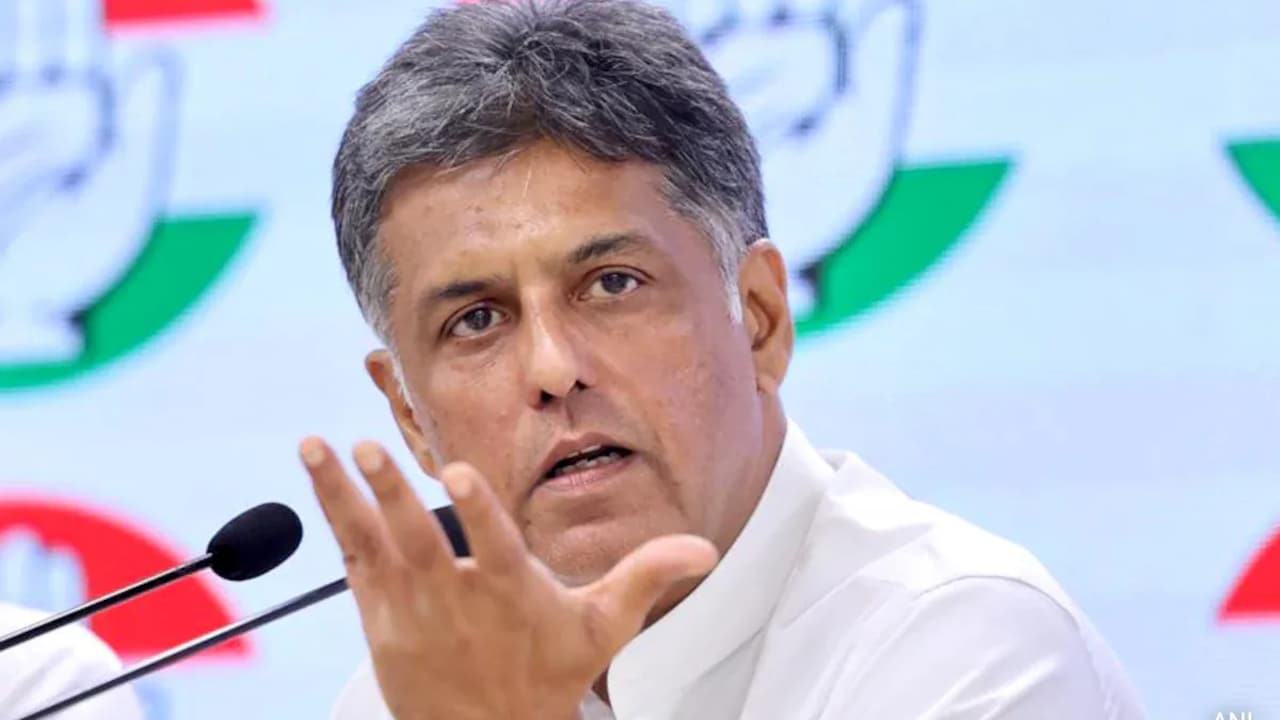
Congress MP Manish Tewari on Friday expressed reservations about an open letter from 117 eminent personalities from India and Pakistan urging the resumption of dialogue and reopening of diplomatic channels. In an interview, Tewari questioned the timing and rationale behind the appeal, especially in light of Pakistan's history of supporting terrorism and the recent Pahalgam attack in April 2025.
“The fundamental question is – ‘dialogue at what cost?’” Tewari said, recalling that successive Indian governments from Narasimha Rao to Narendra Modi have attempted engagement with Pakistan, only to be met with terror attacks. “We have had comprehensive dialogue, backchannel conversations… but every time we’ve tried, Pakistan has retaliated with a terror attack,” he stated.
Tewari highlighted what he called Pakistan’s “military-jihadi complex” and asked whether Islamabad has provided any verifiable guarantee to dismantle its infrastructure of terror. He noted that similar commitments made by former President Pervez Musharraf after the 2001 Parliament attack were later retracted during the 2004 SAARC summit in Islamabad. He said such promises were made and withdrawn to Prime Ministers Manmohan Singh and Narendra Modi as well.
“Ultimately, howsoever well-intentioned these individuals may be, and most have engaged with Pakistan in their professional capacities, if they go back over the decades, they will understand the nature of the beast,” Tewari said, referring to the signatories of the letter.
The Congress leader also linked the timing of the letter to Pakistan’s recent push to restore the Indus Waters Treaty, which India suspended after the Pahalgam attack. “Terror and talks cannot go hand-in-hand… blood and water can’t flow together. India will not make a distinction between terrorists and the masters who orchestrate these attacks,” he asserted.
Tewari stressed that India needs a “fundamental assessment” of what is required from Pakistan, beginning with a stop to the export of terror. “There are two billion people who call South Asia home and want peace,” he acknowledged, “But ultimately dialogue with the gun of terror pointed at our heads? I don’t think that is possible.”







