Congress Kerala Unit's Post Urging CJI Surya Kant to Resign Draws BJP Ire
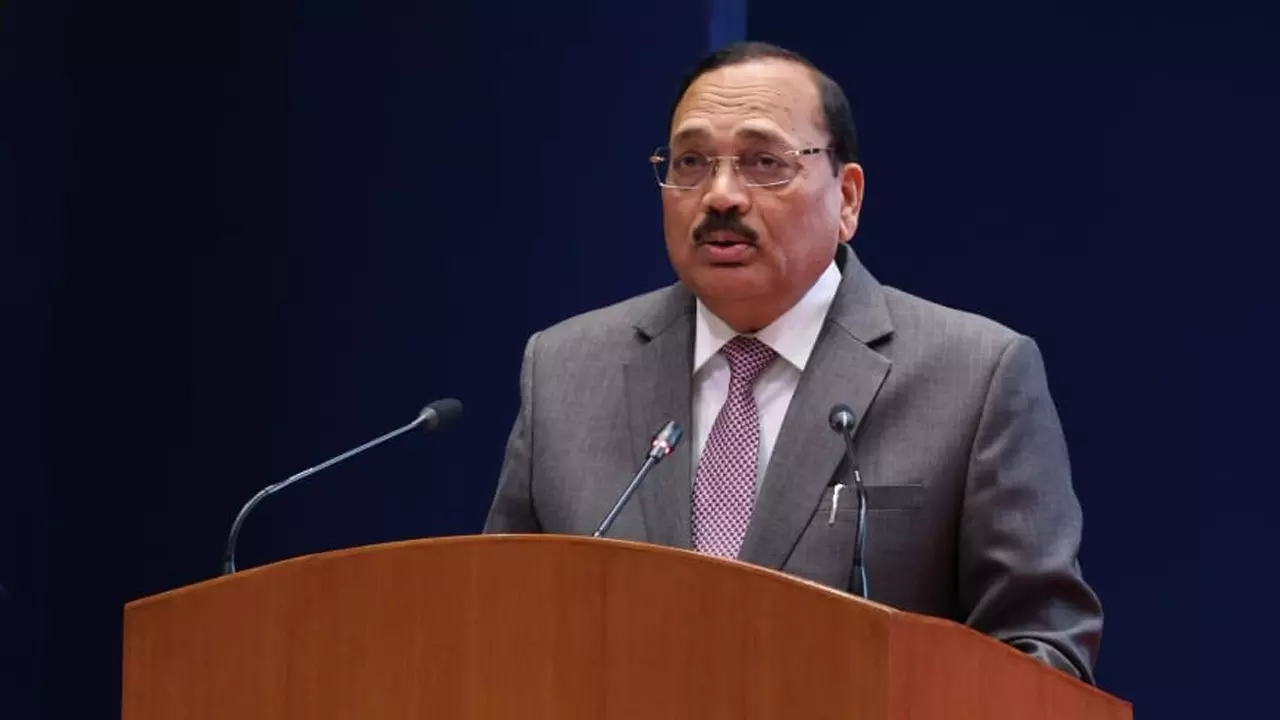
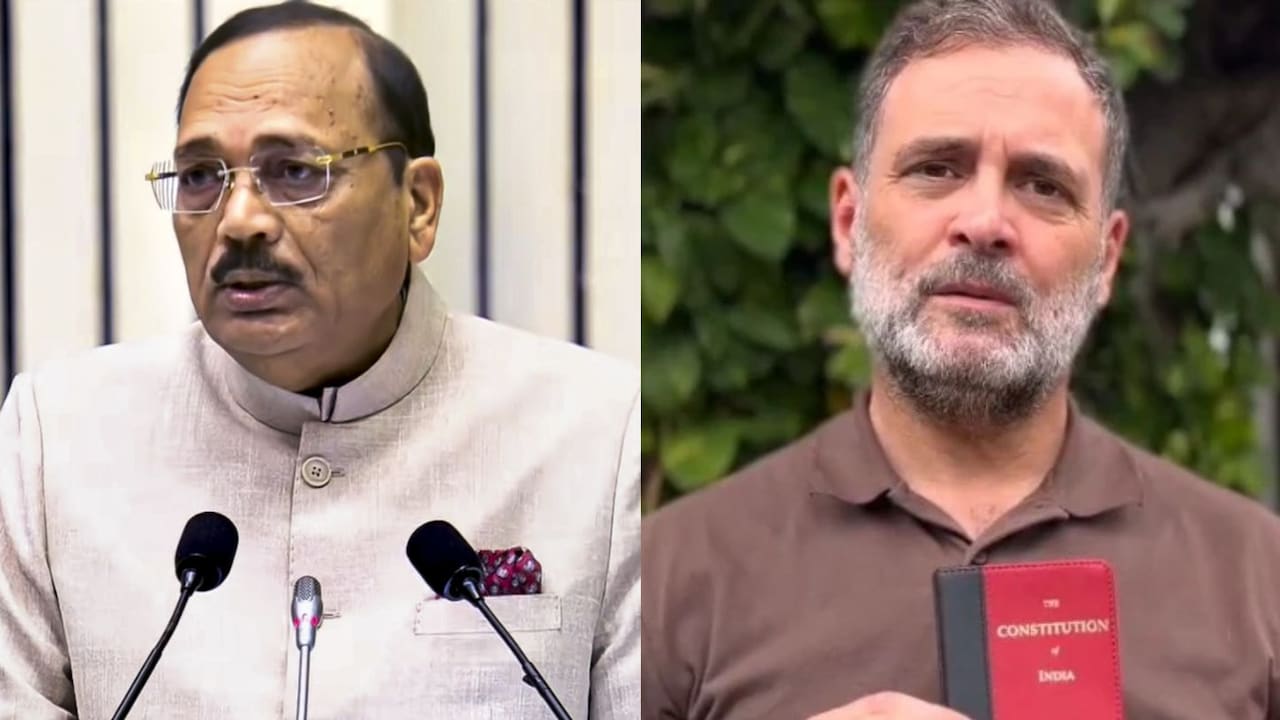
The Kerala unit of the Congress has drawn strong criticism from the Bharatiya Janata Party (BJP) after it published a social media post addressed to the Chief Justice of India, Surya Kant, calling on him to resign. The post, shared from the party's Kerala handle, opened with the salutation "Dear Surya Kant" and urged the country's senior-most judge to step down from his office.
The BJP objected to the post, with its criticism centred on the argument that a political party publicly asking a sitting Chief Justice to resign goes beyond fair comment on judicial decisions and amounts to pressure on the judiciary. The party maintained that such statements risk undermining public confidence in the courts. The Congress has not accepted that framing, and the exchange has since been widely shared and debated online.
The row touches on a long-standing question in Indian public life: how far political criticism of judges can go before it becomes pressure on the courts. India's Constitution guards judicial independence in specific ways. A judge of the Supreme Court can be removed only through a defined process under Article 124(4) of the Constitution — a motion supported by a special majority in both Houses of Parliament, followed by a presidential order — and only on the grounds of proved misbehaviour or incapacity. The Judges (Inquiry) Act, 1968, sets out how such complaints are to be examined.
Separately, the Contempt of Courts Act, 1971, allows courts to deal with conduct that scandalises or lowers the authority of the judiciary. The Supreme Court has held on several occasions that fair criticism of its judgments is protected, and that the contempt power is not intended to shield judges from public scrutiny. Where criticism ends and contempt begins has been tested in courtrooms across the country for decades, and the answer has rarely been simple.
Political parties across the spectrum, including both the BJP and the Congress, have at different times questioned judicial appointments, delays in the listing of cases, and verdicts they disagreed with. That history matters to how this episode should be read: it is part of a wider and older pattern of political sparring over the judiciary rather than an entirely new departure.
What is at stake in such exchanges is public confidence. Courts in India draw their authority less from the power to punish than from the trust that citizens place in them. Judges and political parties alike have an interest in preserving that trust. Demands for a judge's resignation, and the sharp responses they provoke, tend to generate more heat than light, particularly when the constitutional machinery for accountability already exists — deliberate, slow and rarely used.
For readers, the practical question is what the episode says about the relationship between elected politicians and appointed judges. In a democracy, that relationship is meant to rest on mutual respect and the separation of powers rather than on pressure and counter-pressure. How both sides conduct themselves in the coming days will be the real test.
This report is based on published accounts of the post and the reactions to it. Some details could not be independently verified at the time of publication.