Congress, BJP clash over Penguin India's decision to drop Sonia Gandhi memoir
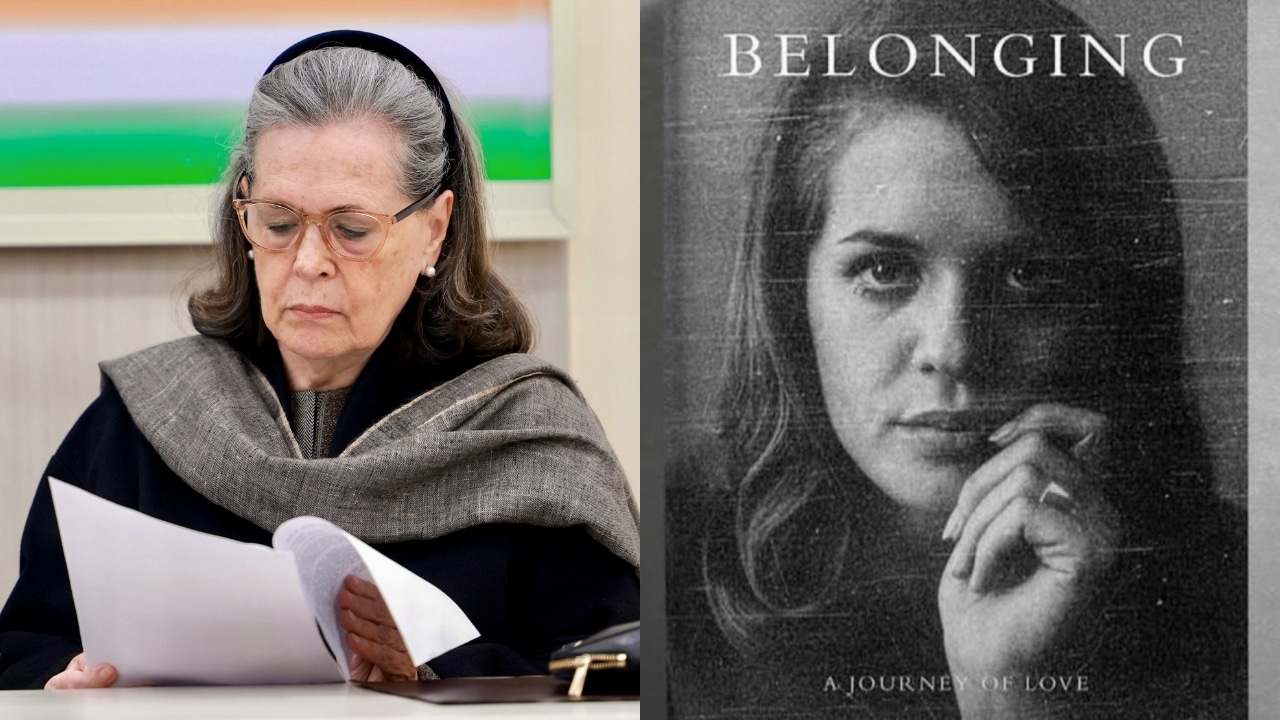
Penguin Random House India has said it will not publish Congress leader Sonia Gandhi's memoir, “Belonging: A Journey of Love,” prompting accusations from the Congress party that the publisher was pressured into the decision. The BJP has dismissed the allegations, calling them part of a manufactured narrative.
The statement from Penguin Random House India came days after Alfred A. Knopf, an imprint of the same publishing group, announced that the memoir would be released internationally on November 10. The Indian arm clarified on Friday that it was not the publisher of the Indian edition, adding that it had been keen to publish the book “throughout the relevant discussions.” However, it said that fact-checking authors is its “prerogative and responsibility.” Reports suggested that the publisher raised objections to certain passages and sought edits, which Sonia Gandhi refused.
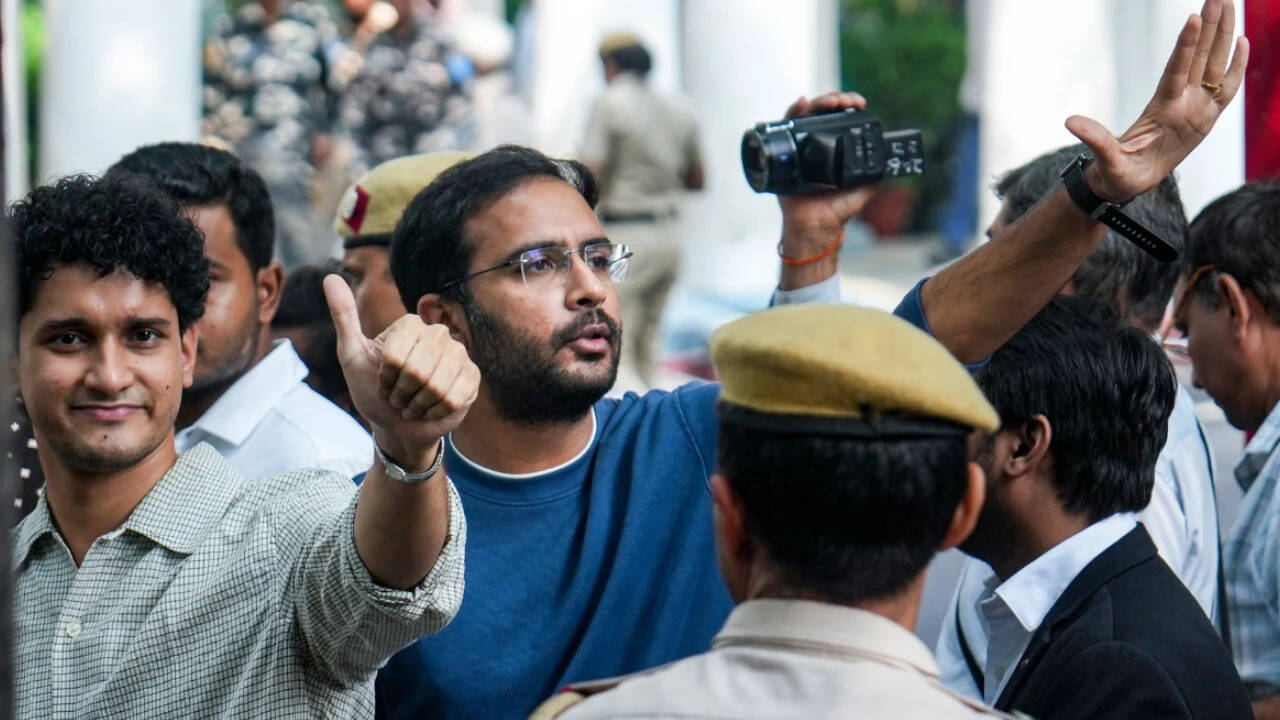
Congress leaders responded sharply to the development. Gaurav Gogoi, the party's deputy leader in the Lok Sabha, called Penguin India's statement “weak,” noting that the publisher had no trouble bringing out books on Prime Minister Narendra Modi and the Rashtriya Swayamsevak Sangh (RSS). “No doubt there are those in the BJP government who have now become afraid of a book being read by the people of India,” he said on X.
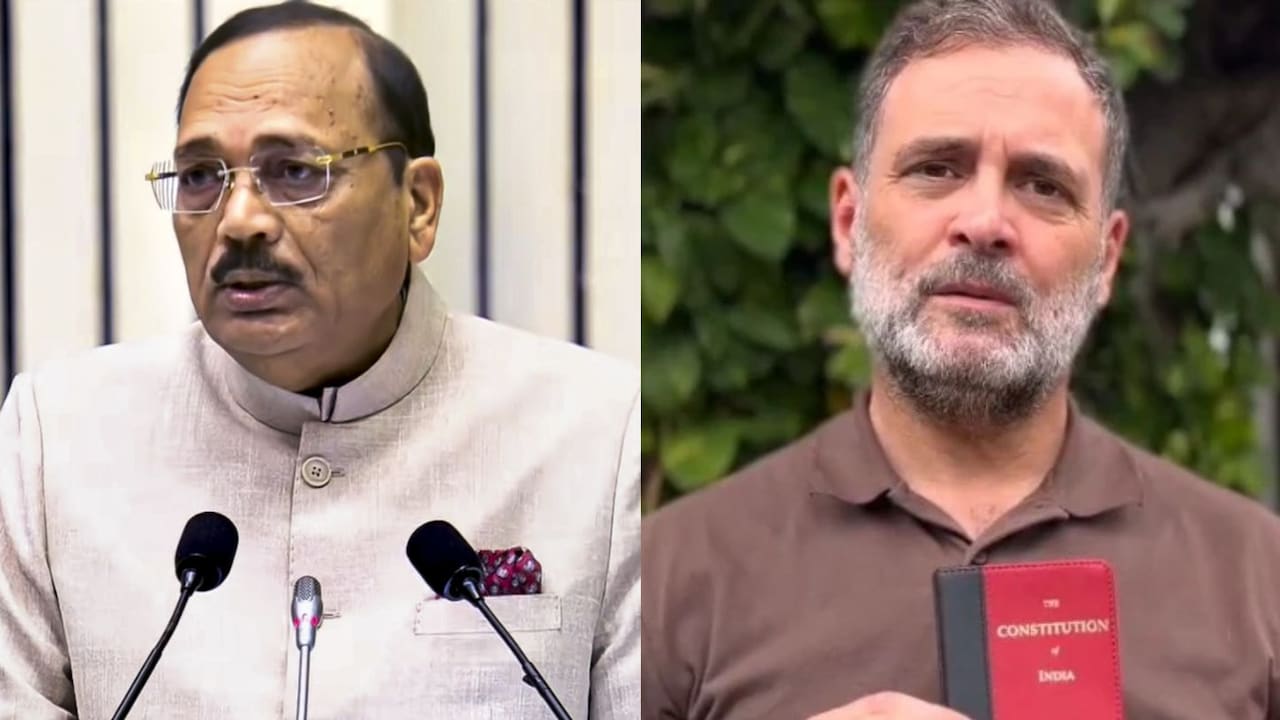
Former Rajasthan Chief Minister Ashok Gehlot questioned the discrepancy between the international and Indian editions. “Penguin Worldwide is ready to publish the book in its original form globally, but Penguin Random House India wants changes for India. What is the reason? Or what pressure is being applied?” He added that suppressing the memoir of a leader of such stature would amount to “the murder of freedom of expression.”
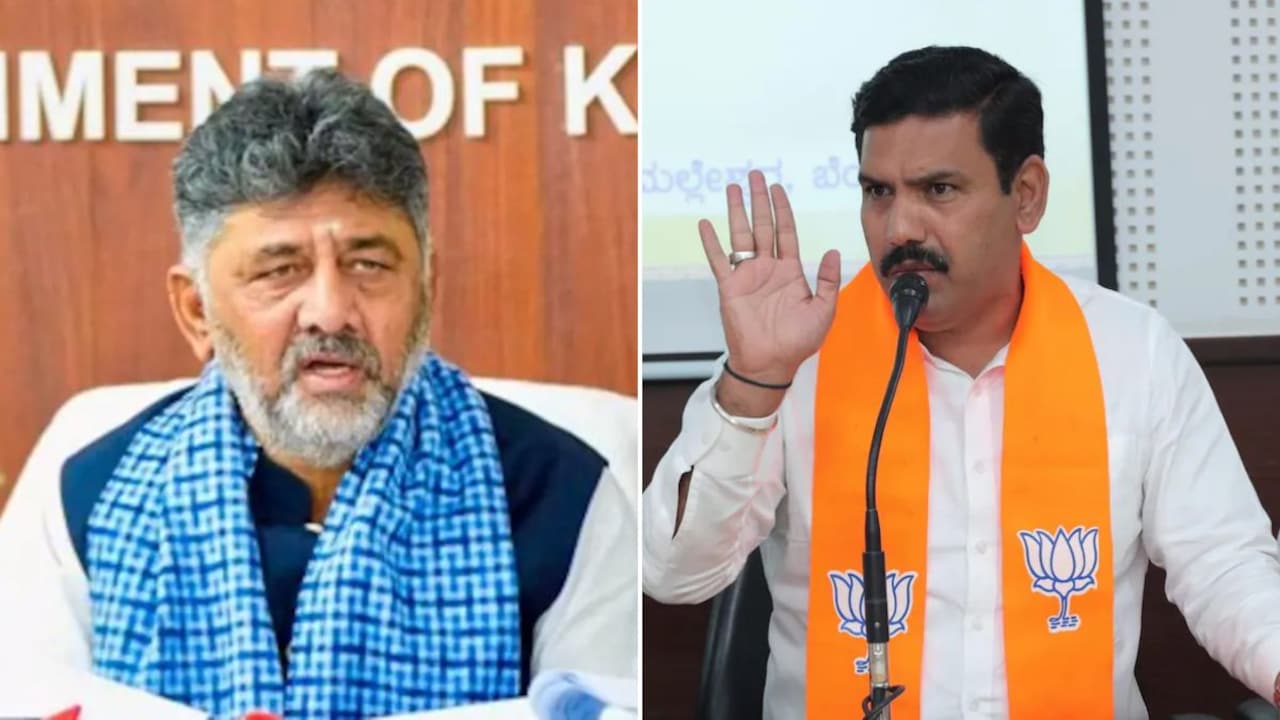
The BJP rejected these claims. Party spokesperson C.R. Kesavan said the Congress was trying to “spin stories and manufacture a false narrative of fear.” He said the attempt was “not merely ironic, they are glaringly hypocritical,” and raised the question: “Which portions of the memoir warranted fact-checking and why?”
Another BJP leader, Ajay Alok, accused the Congress of failing to present facts in the book. “It is a matter of shame that even in writing a book you are not placing facts,” he said. “That is why publishers are not ready to publish it. Verification has to be done, and credibility has to be maintained.”
According to Congress sources cited in reports, three sets of passages led to the publisher's concerns. The first relates to the India-China border dispute, with the book reportedly addressing Chinese incursions and the current border situation. The second concerns Sonia Gandhi's critical assessment of Prime Minister Narendra Modi's leadership, working style, and several central government policies. The third involves her views on the RSS, its influence on national affairs, and its impact on India's social fabric.
The sources said that when Penguin India proposed edits to these sections, Sonia Gandhi declined, maintaining that the facts and views in the book reflect her own experience and perspective and were therefore not open to alteration.
The controversy highlights the recurring tension between free expression and editorial responsibility in political publishing. It also comes at a time when the Congress and the BJP are locked in intense political rivalry ahead of key elections. The memoir, expected to offer a personal account of Sonia Gandhi's life and political career, has become a flashpoint for both parties.