CJP leaders released on Rs 50,000 bonds with no-Jantar Mantar protest undertaking
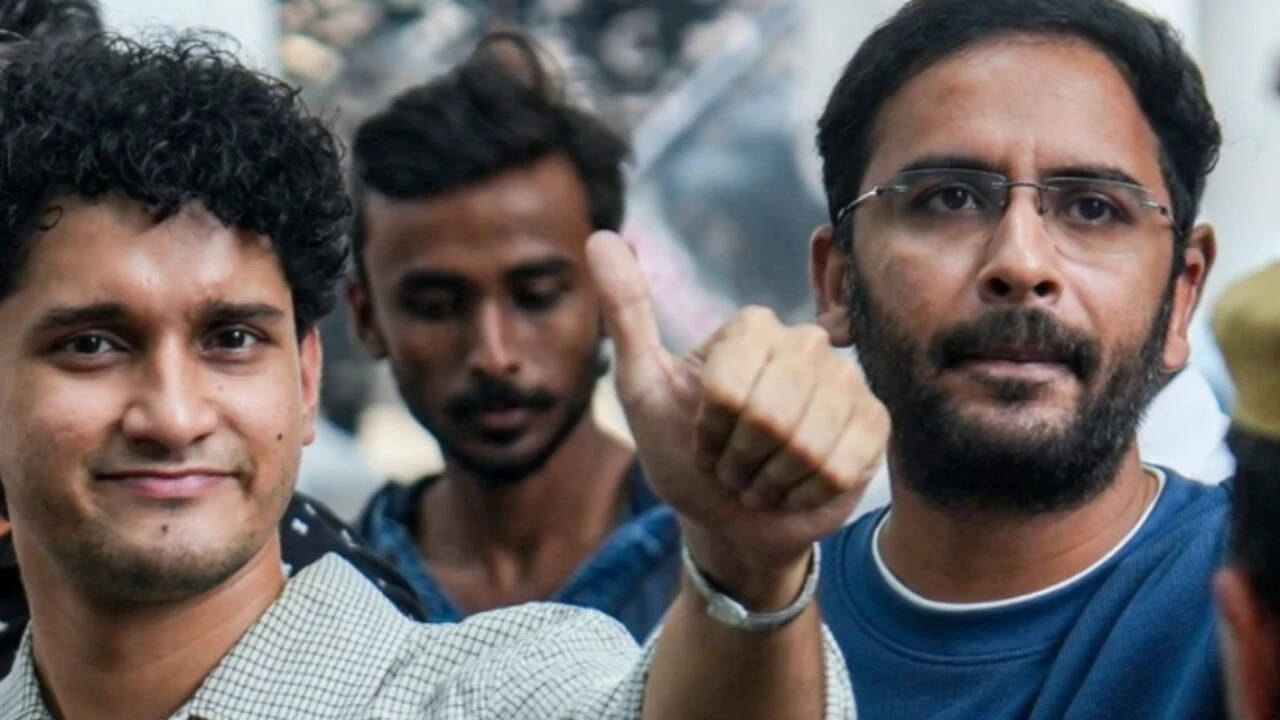
A special executive magistrate in Delhi on Wednesday ordered the release of Cockroach Janata Party (CJP) leaders Ashutosh Ranka and Saurav Das, seven days after they were taken into custody. The two were released on personal and surety bonds of Rs 50,000 each and on written undertakings that include a commitment not to call for protests at Jantar Mantar while it remains de-notified as a protest site.
The CJP leaders had been sent to five days of judicial custody on October 13 after a protest at Jantar Mantar seeking the resignation of Chief Election Commissioner Gyanesh Kumar over alleged irregularities in the Special Intensive Revision (SIR) of electoral rolls and the deletion of voters' names.
According to the account placed before the court, Das and Ranka, along with 12 party members, allegedly trespassed into Jantar Mantar, which is no longer a designated protest venue, and obstructed police personnel on duty. The release order came hours after the two withdrew their petition in the Delhi High Court challenging the extension of their custody.
The magistrate ordered their release after the two gave written undertakings not to breach the peace. They assured the court that they would not call for any protest at Jantar Mantar as long as it remains de-notified as a protest site. They also assured the court that any protest they organise would be conducted within the four corners of the Constitution.
In their undertakings, Ranka and Das expressed faith in the judiciary and its institutions, including the court of the special executive magistrate. The magistrate took the undertakings on record, according to Live Law.
After considering submissions from both sides and the written undertakings, the magistrate held that the immediate preventive measures under Section 135(3) of the Bharatiya Nagarik Suraksha Sanhita (BNSS) could be secured by requiring the two leaders to execute bonds to maintain peace.
Accordingly, Das and Ranka were directed to furnish personal bonds and surety bonds of Rs 50,000 each until the conclusion of the inquiry. The magistrate also directed them to appear before the court on every date of hearing and to maintain peace and public tranquillity in accordance with the terms of their bonds and undertakings.
The conditions place the focus on preventing a repeat of the circumstances that led to their custody. The written undertakings combine a specific restriction on protests at Jantar Mantar, while it remains de-notified, with a broader assurance that any future protest will be held within constitutional limits. The bonds add a financial surety and a continuing obligation to appear before the court as the inquiry proceeds.
The report did not include an immediate response from the Election Commission of India or the Delhi Police to the allegations raised at the protest. It also did not set out the full grounds of the High Court petition that was withdrawn, or the reasons given by the authorities for seeking continued custody. What is clear from the order is that the magistrate accepted written undertakings and bonds as sufficient to secure the immediate preventive measures under the BNSS.
The order deals with the conditions of release and the immediate preventive measures sought by the authorities. It does not by itself decide the allegations against the CJP leaders, and the inquiry is continuing.