China Rejects India-Japan's 'Free and Open Indo-Pacific' Concept, Says It Lacks Genuine Recognition
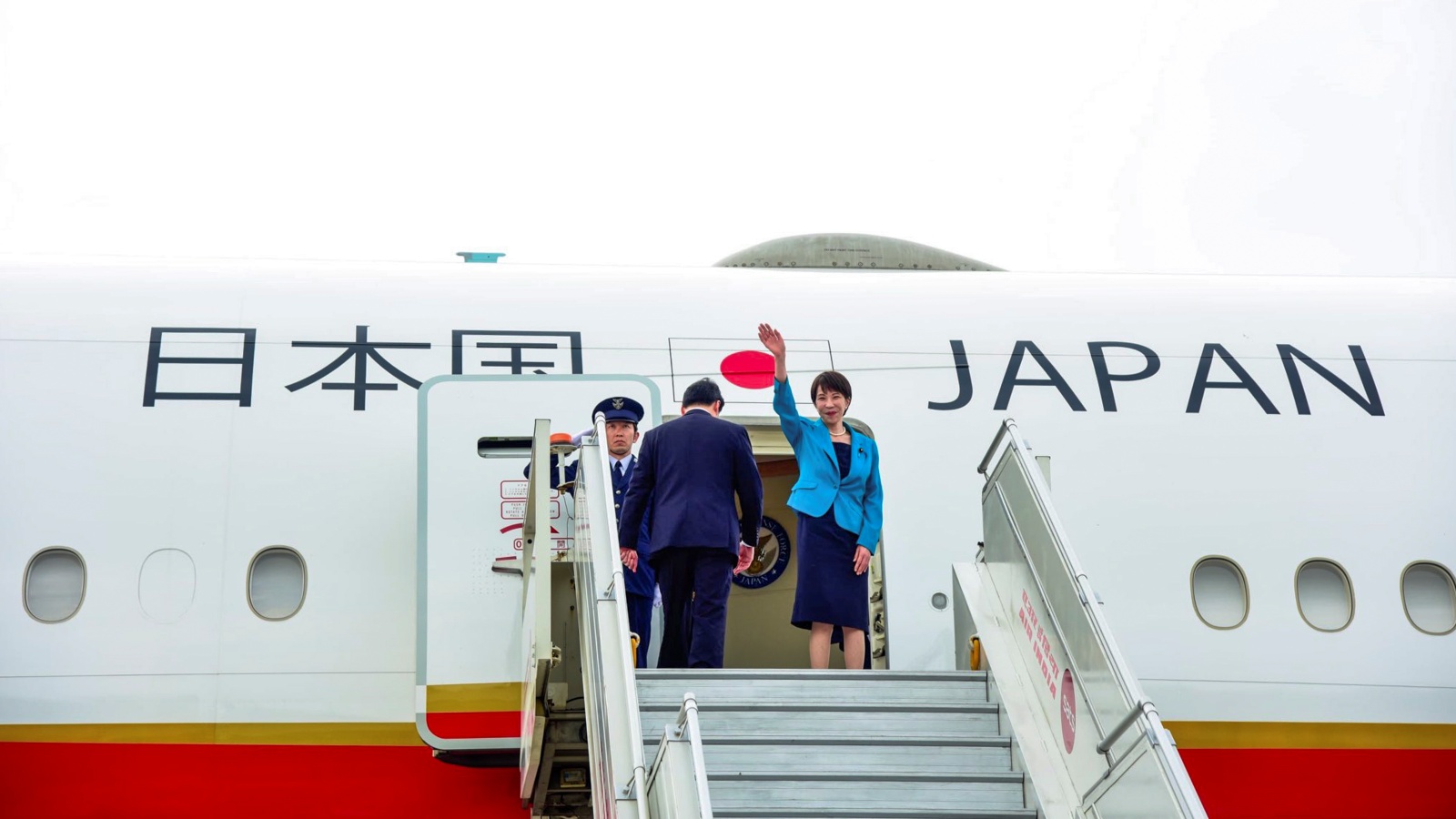
As Japanese Prime Minister Sanae Takaichi concluded her three-day visit to India, where New Delhi and Tokyo reaffirmed their commitment to a 'free and open Indo-Pacific,' Beijing has stated that the concept contradicts the shared aspirations of regional countries.
On Friday, Chinese spokesperson in India, Yu Jing, reiterated comments made a day earlier by Guo Jiakun, spokesperson for the Chinese Ministry of Foreign Affairs. Jiakun was responding to a question about Takaichi's emphasis on building a 'free and open Indo-Pacific' during her meetings with Prime Minister Narendra Modi and in earlier visits to other nations.
'The so-called concept of 'Free and Open Indo-Pacific' goes against the regional countries' shared aspirations for peace, development and cooperation, and will never win genuine recognition,' Jiakun said.
The remarks highlight the diverging strategic perspectives between China and the Quadrilateral Security Dialogue (Quad) members—India, Japan, Australia, and the United States—who advocate for a rules-based order in the Indo-Pacific region. China views the concept as an attempt to contain its influence and has consistently opposed it.
During her visit, Takaichi and Modi discussed enhancing bilateral cooperation in defence, technology, and infrastructure, with a focus on connectivity projects in the Indo-Pacific. The joint statement from the two leaders underlined the importance of a free, open, and inclusive Indo-Pacific, without referencing any country directly.
The Chinese response underscores the ongoing geopolitical friction in the region, where India and Japan seek to counterbalance China's growing assertiveness, while Beijing promotes its own vision of regional cooperation through initiatives like the Belt and Road.
No immediate reaction from the Indian or Japanese governments to the Chinese statement has been reported.







