Chidambaram slams One Nation, One Election Bill as 'constitutional monstrosity'
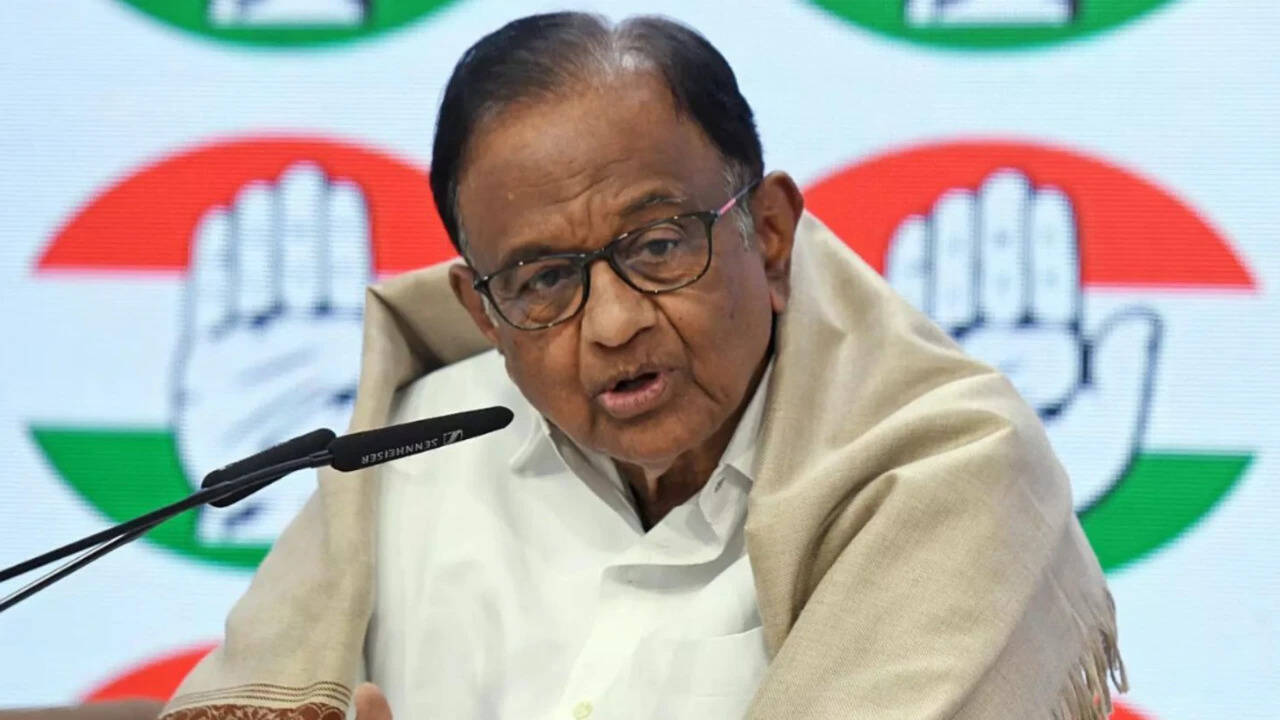
Senior Congress leader P Chidambaram has sharply criticised the proposed One Nation, One Election Bill, calling it a 'constitutional monstrosity' that undermines basic democratic and federal principles. His remarks come as the opposition prepares a nationwide campaign against the legislation, which seeks to hold simultaneous elections for the Lok Sabha and state assemblies.
Speaking on the bill, Chidambaram argued that simultaneous elections in 2029, as envisioned by the legislation, cannot be held because the text of the bill itself prevents it. He described this as fortunate, suggesting that the implementation of the bill is neither practically nor constitutionally feasible in its present form.
The former Union minister also pointed out that a parliamentary committee has received suggestions to define clear grounds for deferring state elections under the proposed framework. This, he said, highlights the complexities and potential disputes that could arise in a federal structure where state governments have their own electoral mandates.
The One Nation, One Election Bill, formally introduced in Parliament, aims to synchronise the electoral cycles of the Lok Sabha and all state legislative assemblies. Proponents of the bill argue that simultaneous elections will reduce recurring expenditure, minimise policy paralysis caused by frequent polls, and ensure administrative focus on governance rather than electioneering.
However, critics, including several opposition parties and constitutional experts, contend that the bill erodes the federal character of India's democracy. They argue that state elections are often held on different schedules due to varied political circumstances, and forcing a uniform cycle could lead to the dismissal of duly elected state governments or the premature dissolution of assemblies, undermining their mandate.
The opposition's planned nationwide campaign reflects a broader political contestation over the bill. While the government has defended the proposal as a reform aimed at streamlining governance, opposition parties view it as a threat to the autonomy of states and a centralising measure.
Chidambaram's statement adds to the growing chorus of criticism from opposition leaders, who have vowed to resist the bill at every stage. The bill is currently under examination by a parliamentary committee, which is expected to submit its report after consulting stakeholders and political parties.
Political analysts note that the debate over simultaneous elections is not just a procedural matter but a fundamental question about the nature of India's democracy. The constitutional validity and practical implications of the bill remain subject to rigorous scrutiny, with both sides preparing to make their case in Parliament and in public.
As the bill moves through the legislative process, the coming months are likely to witness intense political deliberations. The opposition's campaign, which includes public meetings and parliamentary strategies, is set to test the government's resolve in pushing through what it considers a landmark reform. For now, the constitutional and federal arguments raised by leaders like Chidambaram ensure that the One Nation, One Election Bill remains a contentious and closely watched issue.