Chandigarh leads Indian cities in household spending, ranks second in income: Report
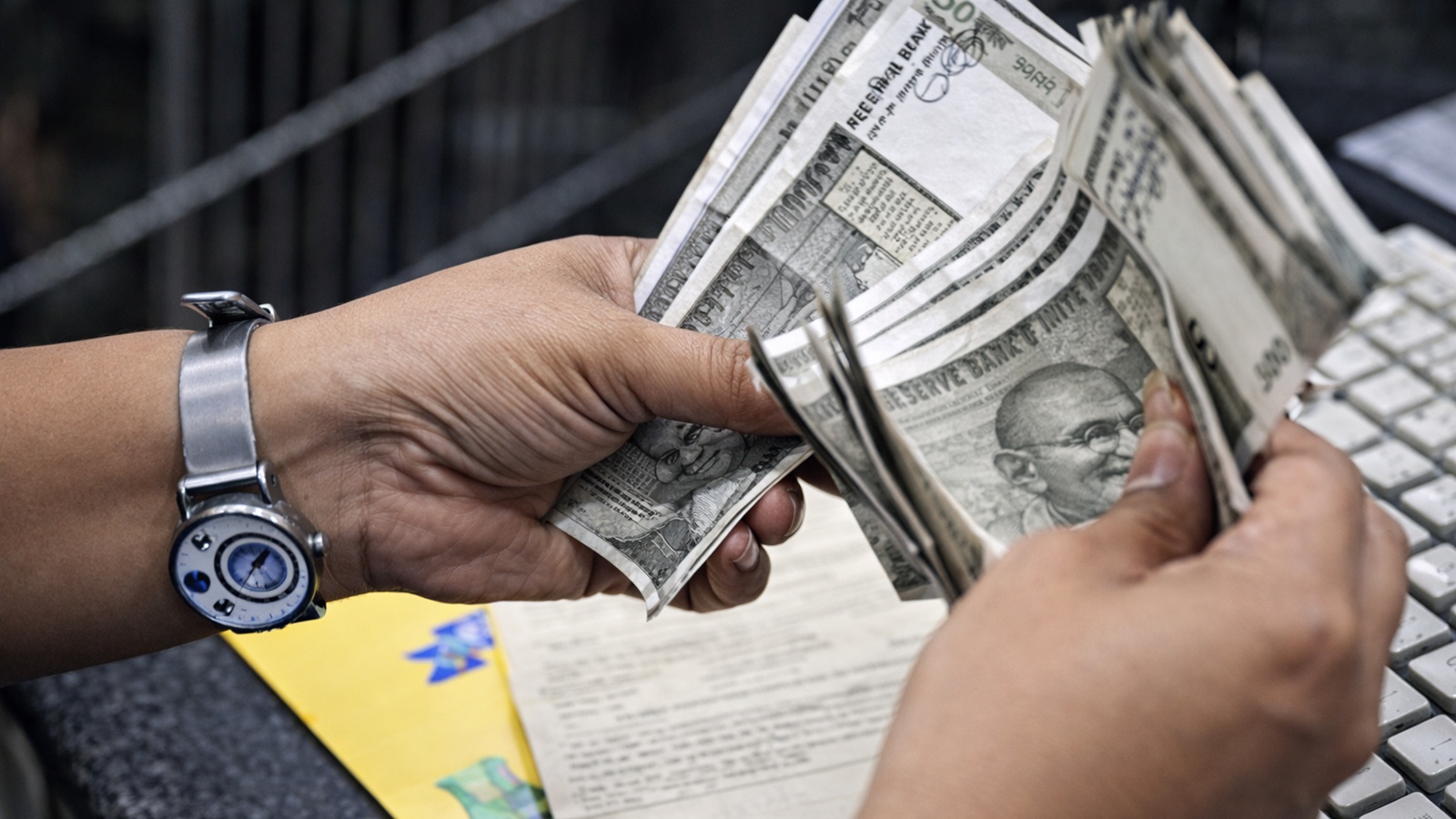
Chandigarh has emerged as the city with the highest average household spending in India, while also ranking second in average household income, according to a report by the Mumbai-based People's Research on India's Consumer Economy (PRICE) and Tata Sons.
The study, titled 'The Many Urban Indias', estimates that an average household in Chandigarh spends nearly Rs 19 lakh annually, the highest among the country's top 100 cities. In terms of household income, the city's average stands at Rs 26 lakh, second only to Bengaluru's Rs 28 lakh.
The findings highlight Chandigarh's unique economic profile: despite its relatively small population, the city combines high spending with high income, indicating strong purchasing power and an affluent consumer base.
The report analyses how households in India's top 100 cities earn, spend, save, borrow, and build wealth. It is based on PRICE's nationally representative ICE 360° Household Surveys and official datasets, including National Accounts Statistics, NSO Consumption Expenditure Surveys, Census and UN population projections. It presents estimates for 2025-26 and projections up to 2030-31.
Chandigarh tops the list ahead of Thiruvananthapuram, Vadodara, Tiruppur, and Surat in average annual household consumption expenditure. The report notes that the top five cities by household spending are not among India's six largest metropolitan cities.
On the income front, Chandigarh ranks behind Bengaluru, which has the highest estimated average household income of Rs 28 lakh per year. The report identifies Chandigarh as a 'frontier city' and notes that it has the highest average household income among all such cities, significantly above the median for the top 100.
Interestingly, households in Amritsar, Ahmedabad, and Jabalpur also spend more on average than those in Mumbai, reflecting the growing purchasing power of smaller cities.
However, the report distinguishes between average household spending and overall consumption. While Chandigarh tops in spending per household, the six largest metropolises—Mumbai, Delhi, Bengaluru, Chennai, Hyderabad and Kolkata—still account for the largest share of India's consumer demand due to their population size. Together, they contribute 46 per cent of the consumption across the country's top 100 cities.
Overall, the report estimates that the top 100 Indian cities generate $844 billion in annual consumption. If treated as a separate country, these cities would form the world's 14th-largest consumer market, behind South Korea and Turkey but ahead of Indonesia.
Chandigarh is classified as a 'frontier city' in the report. Frontier cities are emerging as an important growth segment in India's urban economy, with several showing income profiles comparable to the largest metros. Cities such as Salem, Bhiwandi, and Jalandhar have a household income distribution similar to the 'Big Six' cities, with around 62 per cent of households in the middle-income category and more than 14 per cent in the high-income bracket.
The report says food continues to account for the largest share of household spending at nearly 34 per cent, while spending on apparel, footwear, and accessories, at 7.2 per cent, is the highest among all city categories. Despite rising incomes, frontier cities still have significant scope for greater ownership of consumer durables.
The report also highlights a cautious financial approach among residents of frontier cities: only 16 per cent of households invest in long-term instruments such as fixed deposits and PPFs, while 93 per cent prefer keeping savings in banks and post offices, reflecting a preference for liquidity.