Centre Opposes Creamy Layer for SC/ST Quota, Says Discrimination Not Just Economic
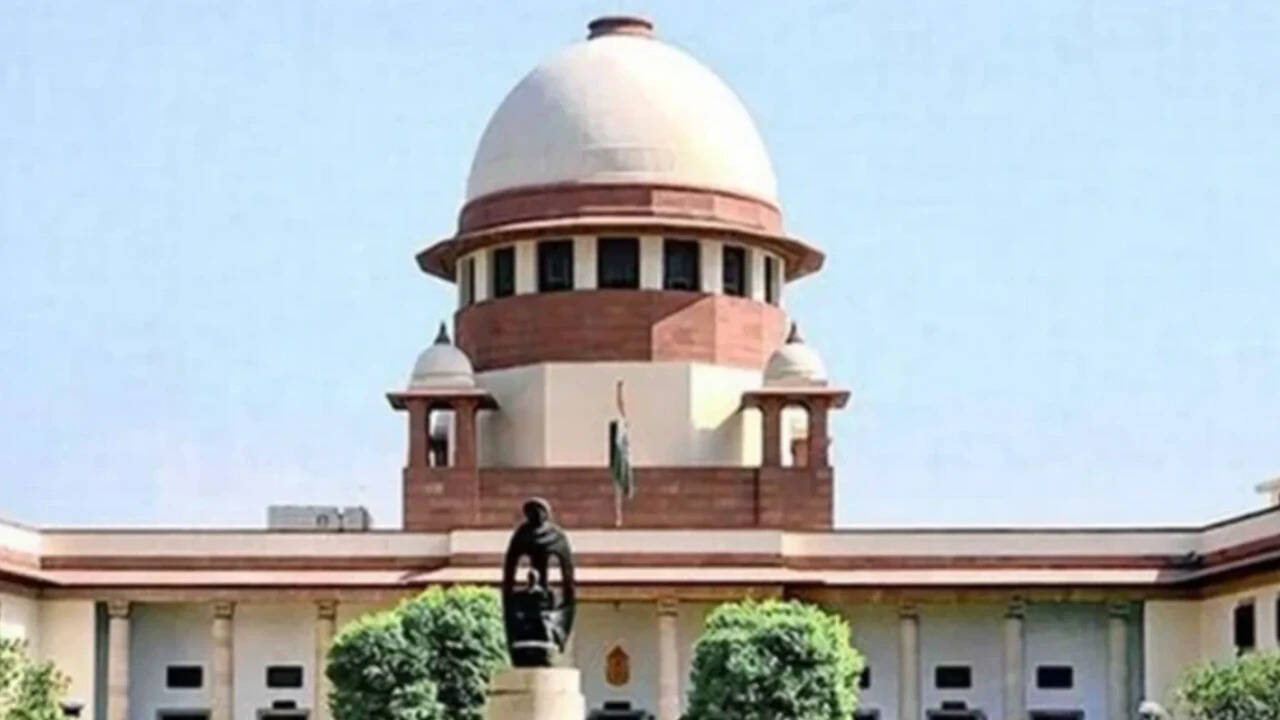
The Central government has told the Supreme Court that the 'creamy layer' criterion, used to exclude affluent members from reservation benefits, cannot be applied to Scheduled Castes (SCs) and Scheduled Tribes (STs). In an affidavit filed in response to a public interest litigation (PIL), the government argued that discrimination against SCs, STs, and Other Backward Classes (OBCs) is not based solely on economic conditions. It emphasised that the reservation system is designed to address historical marginalisation, reduce economic disparities, and foster diversity in governance and academia.
The affidavit comes nearly a year after the Supreme Court sought the government's response to a PIL filed by two individuals—one belonging to an SC community and the other to an OBC category. The petition challenged the absence of a creamy layer exclusion for SCs and STs, similar to the one applied to OBCs in government jobs and educational admissions. The court had earlier, on August 1, 2024, permitted states to sub-categorise castes within SC communities based on socio-economic backwardness and under-representation in government jobs. In that verdict, a seven-judge bench had also directed governments to devise criteria to exclude the creamy layer among SCs and STs from availing reservation benefits.
The government, however, maintained that the issue cannot be addressed through judicial intervention alone. It stated that any modification to reservation policy, particularly introducing income-based preferences within reserved categories, must be preceded by a holistic review and thorough empirical study of socio-economic data of beneficiaries. Such a change, it argued, can only be made by Parliament, not by courts or state governments.
The government further asserted that under Articles 341(1) and 342(1) of the Constitution, only Parliament has the power to include or exclude any caste, tribe, or part thereof from the list of SCs and STs. It stressed that no other authority, including courts, tribunals, or state governments, can modify or alter these lists. Similar provisions were extended to Socially and Educationally Backward Classes (SEBCs) through the Constitution (One Hundred and Second Amendment) Act, 2018.
The affidavit acknowledged that in most welfare and development schemes for SCs, STs, and SEBCs, a means test is already applied to ensure benefits reach those who genuinely deserve them. However, it clarified that reservation in educational institutions and government services operates on a different principle, aiming to correct systemic discrimination that is not purely economic. The government's stance suggests that extending the creamy layer to SCs and STs would require a legislative policy decision backed by data, rather than a judicial directive.
The Supreme Court is yet to schedule a hearing on the PIL. The government's response will likely shape the next stage of the legal debate over reservation policies in India, balancing constitutional mandates with demands for equitable distribution of benefits among the most disadvantaged sections of society.