Caste Survey Report Takes Centre Stage in Legislative Council Tributes to Devaraja Urs

The Karnataka Legislative Council witnessed a rare stretch of smooth proceedings on Monday, as members from across party lines came together to pay rich tributes to the late former Chief Minister D. Devaraja Urs. Amid the homage, a key reference was made to the socio-economic survey report, commonly known as the caste census, which was recently submitted to the Karnataka State Commission for Backwards Classes.
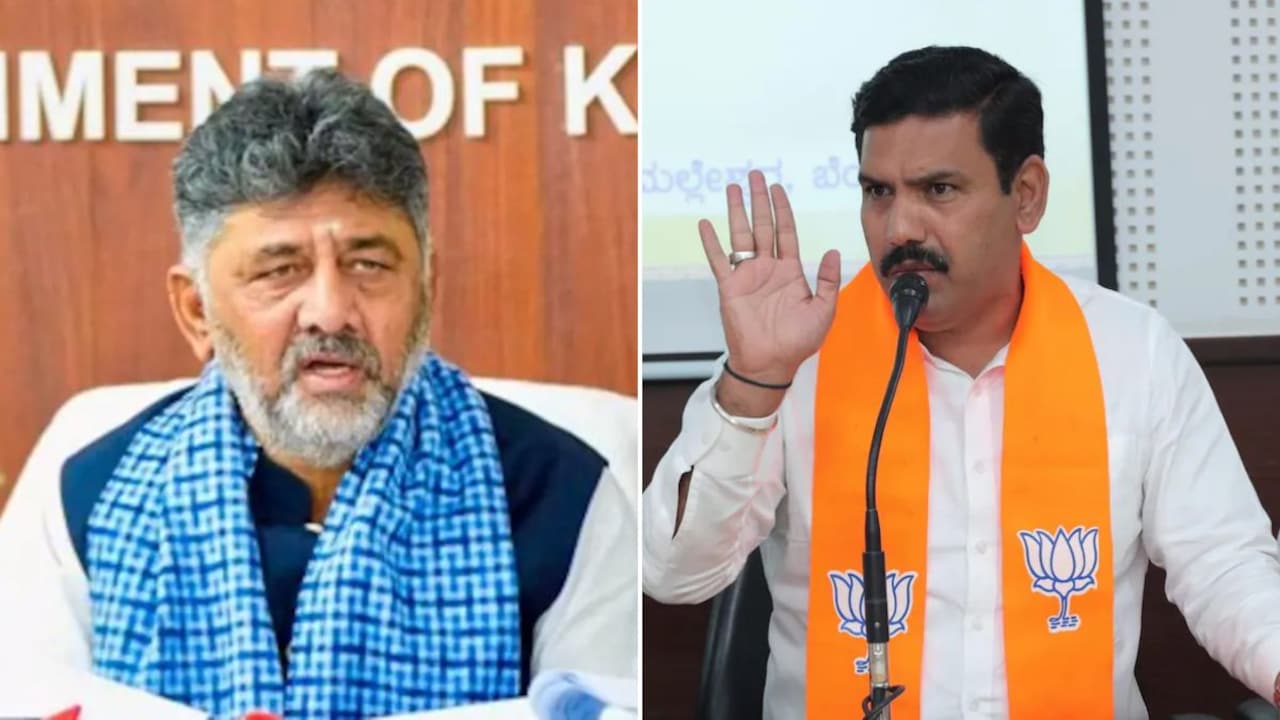
Urban Development Minister Yathindra Siddaramaiah recalled the efforts of former Chief Minister Siddaramaiah towards the welfare of backward classes. He noted that Siddaramaiah had commissioned a survey by the H. Kantharaj Commission, which was later set aside. According to the Minister, the Madhusudhan Naik Commission’s report was accepted just a day before Siddaramaiah stepped down from office.
BJP legislator N. Ravikumar urged the government to implement the latest report of the commission. “Several hundred crores have been spent on the survey. Ministers are here, and they can make a statement on it. The Cabinet can accept it. We will stage a protest to urge the government to implement it,” he said.
The discussion comes at a time when the caste survey report has become a politically significant document in Karnataka. The report, which aims to provide detailed data on the socio-economic conditions of various castes and communities, is seen as a crucial tool for policy planning and affirmative action. However, its implementation has been a subject of debate, with various political parties and social groups demanding transparency and timely action.
Devaraja Urs, who served as Chief Minister of Karnataka from 1972 to 1977 and again from 1978 to 1980, is widely remembered for his pro-backward-class policies. His tenure saw significant land reforms and efforts to uplift marginalized communities. The tributes in the Council underscored his lasting impact on the state’s social and political landscape.
The demand by BJP legislator Ravikumar adds a new dimension to the ongoing political discourse around the survey. While the ruling party has not officially responded to the demand, the Minister’s remarks earlier in the day suggested that the government is aware of the report’s significance. The Cabinet is yet to take a formal decision on accepting the report.
Observers note that the caste survey report could have far-reaching implications for reservations and welfare schemes in the state. With elections often fought on caste equations, the report’s findings and the government’s response are likely to influence political dynamics in the coming months.
The Legislative Council’s smooth functioning on this occasion was itself noteworthy, given that the House has often witnessed disruptions over various issues. The unanimous tributes to a leader who championed the cause of backward classes provided a rare moment of bipartisanship, even as the underlying political tensions over the survey report remained visible.
As the state awaits the government’s decision on the report, all eyes will be on the Cabinet. The BJP’s threat to stage a protest adds pressure, while supporters of the survey hope that the data will be used to address long-standing inequalities. The coming weeks are likely to see more political activity on this issue, both inside and outside the legislature.