Cape Verde's Fairytale: From a Village TV to World Cup Knockouts
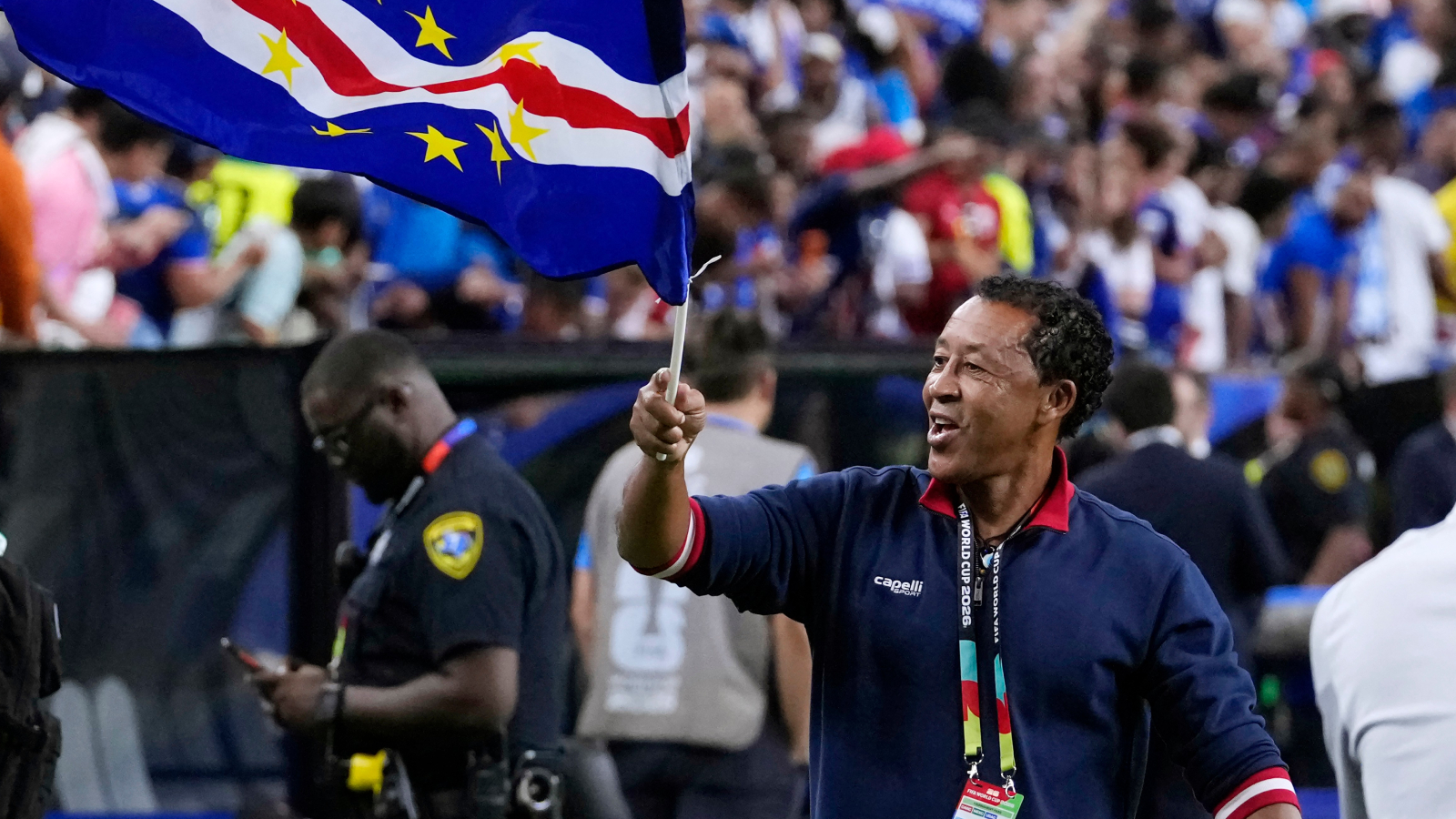
In the village of Povoacao Velha on the island of Boa Vista, there was one television set for the entire community. On World Cup nights, neighbours would gather around it. Among them was a young boy named Pedro Leitao Brito, who watched icons like Diego Maradona and Lothar Matthaus. His mother made footballs from socks. Decades later, that boy - now known as Bubista - became the head coach of Cape Verde's national football team.
On Friday night in Houston, at 56 years old, Bubista stood on the touchline as his team secured a historic achievement: reaching the knockout rounds of the World Cup for the first time. Cape Verde drew 0-0 with Saudi Arabia, while Spain beat Uruguay 1-0 simultaneously in Guadalajara, allowing the Blue Sharks to advance as group runners-up. This marks their debut appearance in the World Cup after seven unsuccessful qualification attempts.
The journey to this moment reflects two decades of persistent work. Defender Logan Costa, widely regarded as Cape Verde's best player, exemplifies this resilience. The Villarreal centre-back ruptured his ACL in pre-season in July 2025. He returned to action on May 17, 2026, playing just 13 minutes in a La Liga match after a ten-month absence. Despite this, Bubista included him in the squad. Costa started all three group games against Spain, Uruguay, and Saudi Arabia, showing no signs of his long layoff.
The midfield is anchored by Jamiro Monteiro, born in Rotterdam to Cape Verdean immigrant parents. He learned football on the streets of Spangen and later played for Philadelphia Union and San Jose before returning to the Netherlands. Monteiro earned his 50th cap in the qualifier against Eswatini that secured Cape Verde's World Cup spot. Against Saudi Arabia, he covered every blade of grass, performing the unglamorous but vital role that goes unnoticed.
Kevin Pina's first World Cup goal, a free kick that curled past Uruguay's wall in Miami, has roots in a street game in Brockton, Massachusetts. Former Cape Verde captain Carlos Morais spotted Pina there and guided him toward professional football. The goal itself came while Pina played for Krasnodar in Russia, but its origins trace back to a pavement in New England.
Helio Varela, 24, plays for Maccabi Tel Aviv. He came off the bench against Uruguay and scored the equaliser within minutes of stepping onto the pitch - his first international goal. Bubista had seen potential in Varela that the starting lineup did not yet need to show.
Goalkeeper Vozinha made seven saves against Spain and wept at the final whistle, thinking of his late grandparents and his mother who could not afford the visa bond. Pico Lopes, born in Dublin, nearly missed out entirely because he ignored a LinkedIn message from the Cape Verde coach, thinking it was spam.
Captain Ryan Mendes, 36, has amassed 96 caps over 16 years. Dailon Livramento, 25, scored the crucial goals against Cameroon and Eswatini that propelled Cape Verde to the World Cup before the global spotlight turned on them. These moments were not captured in films, but they laid the foundation for the current success.
The financial windfall from the tournament is significant. Cape Verde earned $10.5 million just for reaching the group stage, with officials stating that the money will be channeled into development and scouting across the diaspora. One beneficiary is 14-year-old Yuri Marley Fernandes, who trains at a youth academy in Praia and speaks with confidence about playing on the biggest stage.
Bubista's own story mirrors that of many of his players: humble beginnings, a connection to the diaspora, and an unwavering commitment to the national team. From a village with a single television to the knockout rounds of the World Cup, Cape Verde's journey is a testament to patient development and the power of football to unite a nation.