Can India Block Bishnoi Extradition? Legal Hurdles Explained
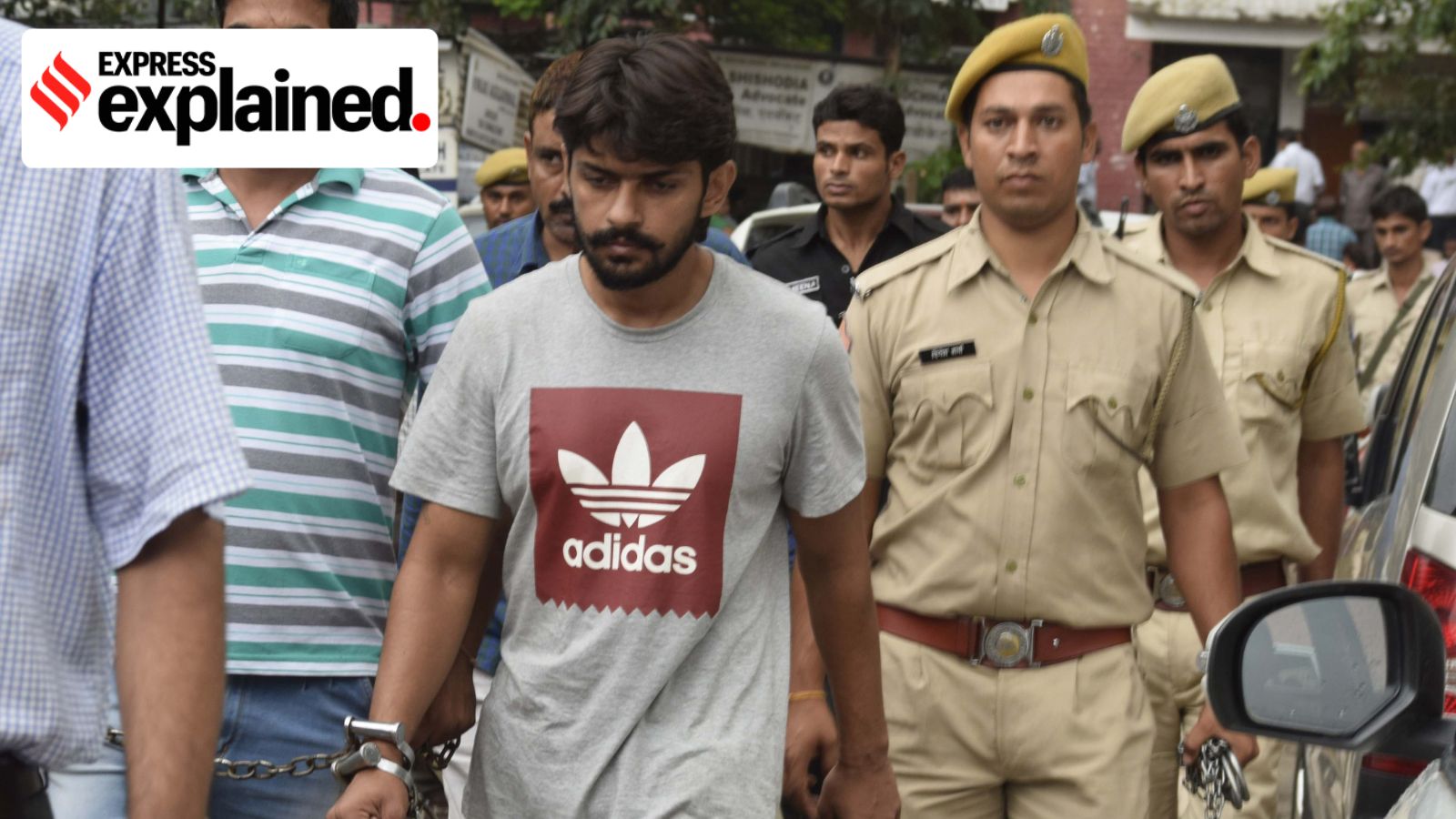
The United States Department of Justice has indicted jailed gangster Lawrence Bishnoi, Punjab Police SHO Gurinderjit Singh Nagra, and several others on charges including racketeering conspiracy, murder, and extortion. The indictment alleges they were part of a transnational organised crime network operating across India, Canada, and the United States. With Bishnoi and Nagra in India, the US is expected to file formal extradition requests.
If and when such requests are made, a legal process under the India-US Extradition Treaty and India’s Extradition Act, 1962, will determine whether India can refuse or delay surrender. This article explains the key legal principles and procedural steps.
The Governing Framework
Extradition between India and the US is governed by the bilateral Extradition Treaty signed in 1997 and India’s Extradition Act, 1962. The cornerstone is the principle of dual criminality: an offence is extraditable if it is punishable with imprisonment of more than one year in both countries.
The treaty bars extradition for political offences, but exceptions include murder, hostage-taking, terrorism, and drug trafficking. Notably, Indian citizenship does not automatically block extradition. Another safeguard is the rule of speciality: an extradited person can be tried only for the offences for which extradition was granted.
Do the Charges Satisfy Dual Criminality?
On the face of it, the charges appear to meet the treaty’s requirements. Although the US indictment invokes laws such as the Racketeer Influenced and Corrupt Organizations (RICO) Act, the treaty clarifies that identical legal categories are not needed. The key question is whether the underlying conduct—murder, criminal conspiracy, extortion, drug trafficking, firearms offences—constitutes serious crimes under Indian law, which it does.
A precedent exists in the extradition of Tahawwur Rana to the US. In that case, US authorities proceeded only on charges that had equivalent offences in India, while dropping others like conspiracy to wage war that failed dual criminality. Courts in both countries accepted this approach.
Procedure for Extradition Requests
Once Washington transmits a formal request, it goes through India’s Ministry of External Affairs (MEA), which consults the Ministry of Home Affairs and agencies like the CBI. If the government finds the request prima facie valid, it is placed before a magistrate’s court. The court examines whether treaty conditions are met and whether the evidence would justify a trial if the offence had occurred in India.
If satisfied, the court certifies the accused as extraditable. However, the final decision rests with the Union government, which may impose conditions or seek diplomatic assurances. Any surrender order can be challenged in the High Court and Supreme Court, making the process lengthy.
Can India Refuse or Delay?
India may refuse extradition on limited grounds: if the offence is political, if the request is motivated by persecution, or if the person faces torture or the death penalty (though the treaty does not bar capital punishment). For Bishnoi and Nagra, these exceptions are unlikely to apply given the nature of the charges. Delay is possible through litigation, but ultimately the treaty obligates India to extradite for serious crimes. The final outcome will depend on the strength of the US evidence and the courts’ interpretation of dual criminality.







