Bollywood's Behind-the-Scenes Hierarchy: Character Actors Speak Out on Discrimination
From a distance, the film and television industry appears dazzling, wrapped in glamour and stardom. Hidden within these corridors are character artists, performers who are often overlooked and seldom respected despite being integral to the stories that unfold on screen.
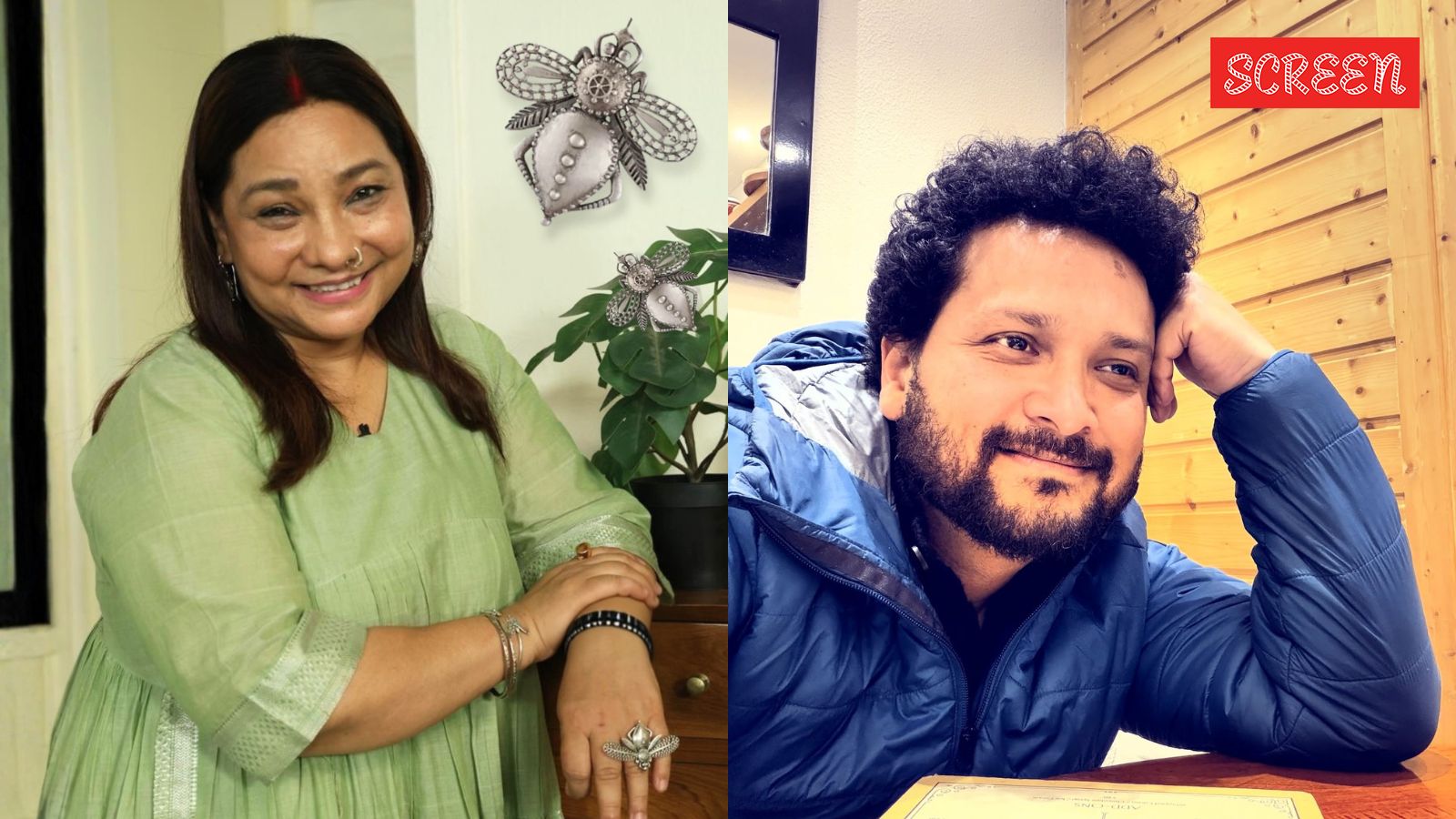
In an attempt to understand their experiences, SCREEN spoke to character artists Jatin Negi and Sunita Rajwar. Jatin Negi has featured in films like Bell Bottom and the biopic Ajay on Yogi Adityanath, where he played the villain. On television, he has been part of shows such as CID, Crime Patrol, and Sumit Sambhal Lega. To survive in Mumbai, he also teaches acting.
Sunita Rajwar, an alumnus of the National School of Drama (NSD), has been in the industry for 25 years. Despite playing impactful supporting roles, she has faced typecasting. Her credits include the Stree franchise, Shubh Mangal Zyaada Saavdhan, web series like Panchayat and Gullak, and TV shows such as Aahat and Yeh Rishta Kya Kehlata Hai. Besides acting, she is also involved in production and casting.
Treatment on Sets
For character artists, the struggle is not limited to landing roles; it often extends to being treated with respect on set. Jatin Negi shared, 'Character artists generally don’t get respected unless they are a Paresh Rawal or Anupam Kher. Trained actors generally start with secondary characters and then climb up the ladder. But facilities are accorded as per the character you play. Usually in big films, lead actors get four vanity vans, while character artists only get a spot boy who takes care of their belongings. At times they have one makeup artist. If you are a senior character artist, you may get a good vanity van. Generally, character artists have to share a vanity van with other artists. Those who do tertiary roles usually share the van with seven to eight artists. Your role decides the respect you get.'
Sunita Rajwar added, 'There is a lot of difference in status for a lead and a character artist on set; it’s just like our society. If someone has a main role, everything revolves around them. They will get a good room, they have their own staff. But if you play a smaller character, who is doing one scene or working for two to three days, even the spot boys don’t respect you.'
The lack of respect often goes beyond facilities and perks. 'They don’t even remember the names of artists playing secondary or tertiary characters. In the scripts also, their name is never written. Once I needed money, and I played a tertiary character. In the script it was written as Man 1. We were lucky if they would ask us for food. Even if we asked for tea or coffee, it would never come,' said Jatin.
Discrimination in Food: Sections A, B, and C
What makes character artists feel smaller is the divide created on sets, especially regarding food. Jatin Negi shared, 'In India, they create a divide on set; there are A, B, and C categories. A category has seniors or those playing primary and secondary characters. Those playing tertiary roles or extras have a different section for food. It breaks my heart to see this. I never liked this divide, but even big productions have it. The lead actors usually sit with directors. But this divide creates a very weird atmosphere on set; it feels like the caste system.'
Jatin continued, 'I played a tertiary character seven to eight years ago. I was in the get-up, so when I went to eat, they didn’t allow me inside. Then I had to call the production guy; it was 10 pm. Finally, when I got entry, I was shown a lane to the right where I was supposed to go and eat. I felt like an outcast. The quality of food is also so bad; there is an actual difference. It doesn’t happen everywhere, but it’s common.'
Both artists emphasized that these practices are widespread and deeply ingrained in the industry. 'It has been going on for years, and it’s not limited to small productions. Even big banners have this hierarchy. It’s time to acknowledge and change it,' Sunita Rajwar said.
Character artists also face payment delays. Many are paid after 90 days, and their wages are considerably lower than those of lead actors. The artists called for better industry standards and respect for all performers, regardless of the size of their role.