BJP's Rajnath Singh: Rahul Gandhi's remarks 'indecent', unacceptable
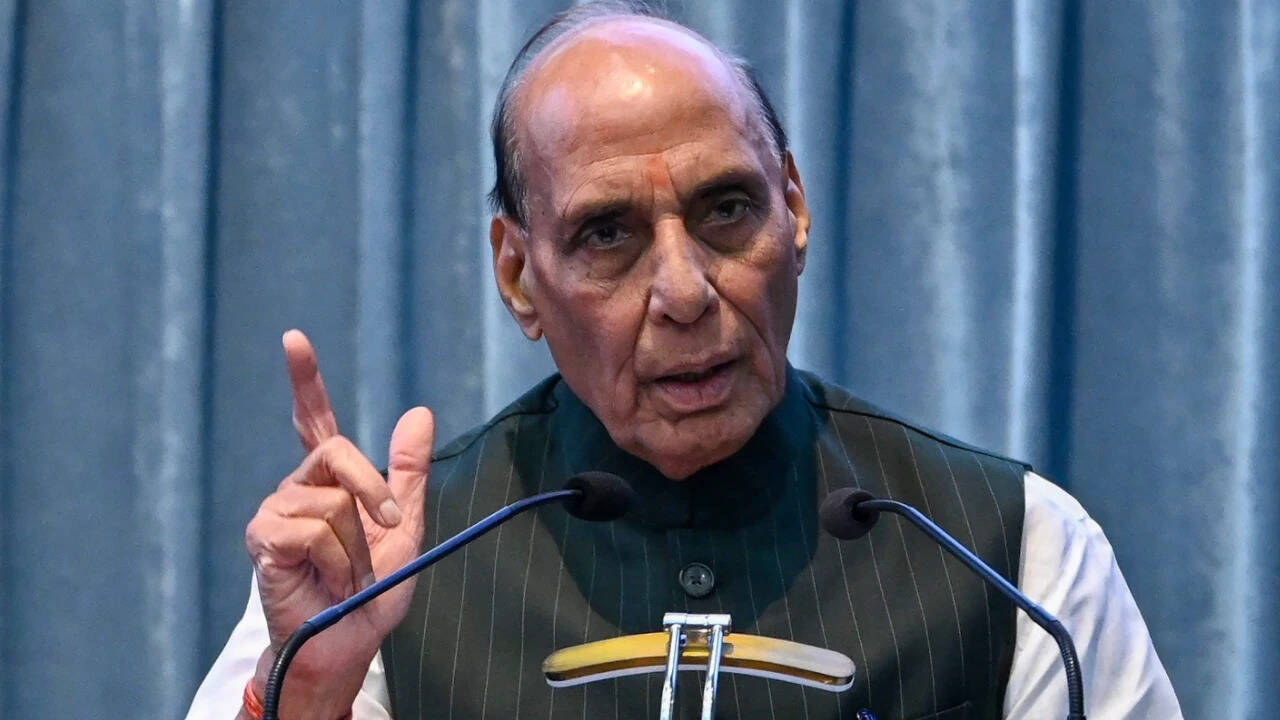
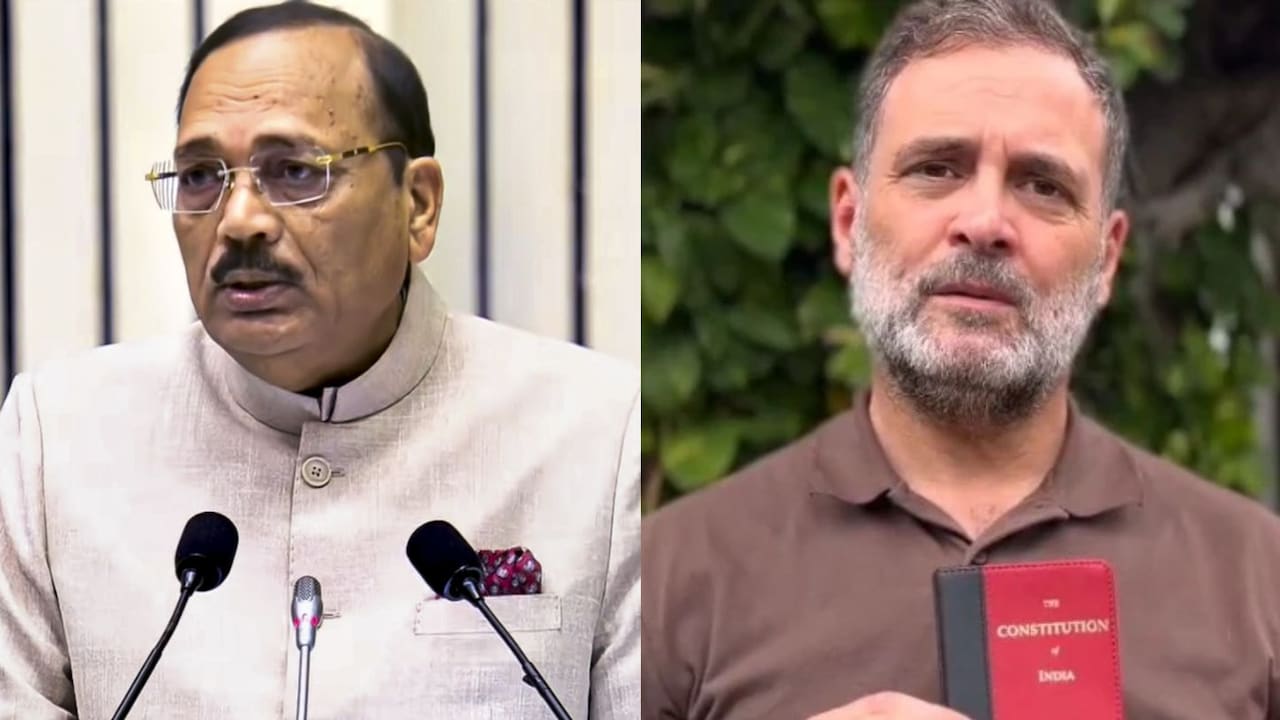
Union Home Minister Rajnath Singh has strongly condemned remarks made by Congress leader Rahul Gandhi against Prime Minister Narendra Modi, describing them as "indecent" and "patently unacceptable." The minister's reaction came during a media interaction, though the exact nature of Rahul Gandhi's comments was not immediately specified in available reports.
Singh's statement reflects the escalating political rhetoric between the Bharatiya Janata Party (BJP) and the Indian National Congress. Rahul Gandhi has been a vocal critic of the government on issues ranging from economic policy to national security, often targeting the Prime Minister personally.
"However much frustration Rahul may have for PM, such indecent remarks are patently unacceptable," Rajnath Singh said, according to reports. The Home Minister's words signal the ruling party's intent to call out what it perceives as a breach of political decorum.
Political observers note that heated exchanges between leaders are not uncommon in Indian democracy, but the use of strong language often raises questions about the standard of public discourse. Both parties have previously accused each other of crossing lines in political speech.
At the time of filing this report, the Congress party had not issued a formal response to the Home Minister's criticism. However, Congress spokespersons have in the past defended Rahul Gandhi's remarks as legitimate interrogation of government policies and accountability.
This episode comes amid broader tensions between the ruling dispensation and the opposition, with multiple issues of governance and constitutional propriety dominating political debate. Analysts suggest that such exchanges are likely to intensify as national elections approach, making the tone of political conversations a key subject of public scrutiny.
The Home Minister's statement underscores the importance of maintaining civility in public discourse, a principle upheld by constitutional morality. While political disagreement is essential to democracy, the language used by leaders often influences the broader political climate.