Bihar’s Crucible: The Fight Against India’s 1975 Emergency
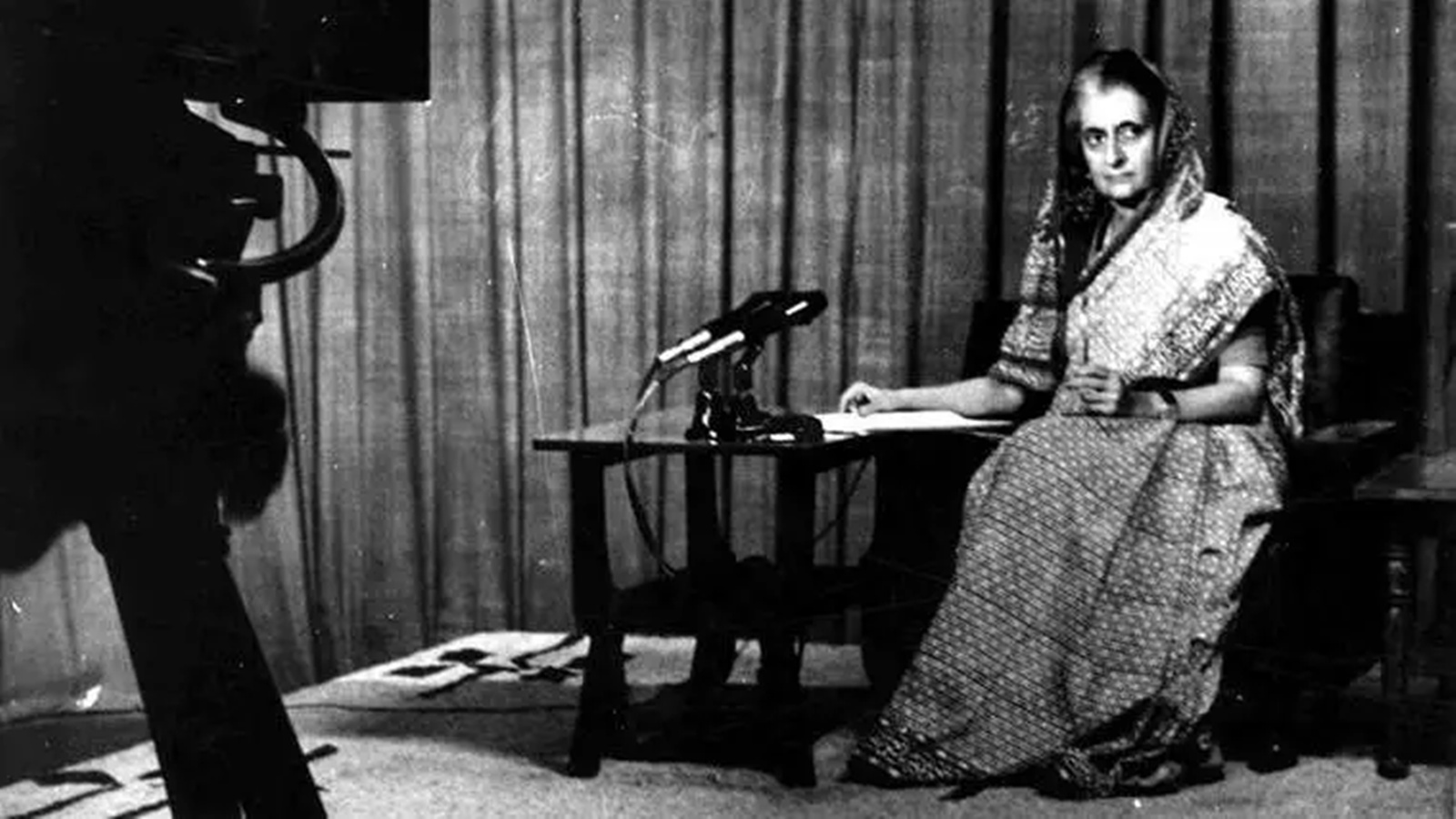
June 25, 1975, is a significant date in India's democratic history. On this day, a nationwide Emergency was declared, leading to the suspension of fundamental rights, censorship of the press, and imprisonment of political opponents without trial. This event represented a serious challenge to India's constitutional order.
The crisis was triggered by a June 12, 1975, judgment from the Allahabad High Court, which found then-Prime Minister Indira Gandhi guilty of electoral malpractices during the 1971 general election. Instead of stepping down, her government imposed the Emergency, citing internal disturbances. The Constitution was effectively suspended, and civil liberties were curtailed for 21 months.
During this period, the resistance movement found its strongest voice in Bihar. The state became the epicenter of democratic opposition under the leadership of Jayaprakash Narayan, a veteran freedom fighter and social reformer. His call for 'Sampoorna Kranti' (Total Revolution) from Patna's Gandhi Maidan galvanized students, farmers, and ordinary citizens. The movement demanded not just the restoration of democracy but systemic reforms to address corruption, dynastic politics, and institutional decay.
Thousands were arrested across Bihar and other states. Opposition leaders such as Atal Bihari Vajpayee, L.K. Advani, George Fernandes, and Nanaji Deshmukh were imprisoned. The press was heavily censored, with newspapers required to submit content for prior approval. Dissent was treated as a crime, and arbitrary detention became widespread.
The Emergency ended in March 1977 when Indira Gandhi called for elections, which she lost. The period remains a cautionary tale about the fragility of democratic institutions when power is concentrated without checks. It underscores the importance of constitutional safeguards, an independent judiciary, and the right to dissent.
Bihar's role in this resistance is a reminder that ordinary citizens can be powerful defenders of democracy. The movement led by Jayaprakash Narayan demonstrated that democratic values are upheld not just by leaders but by the collective courage of the people.