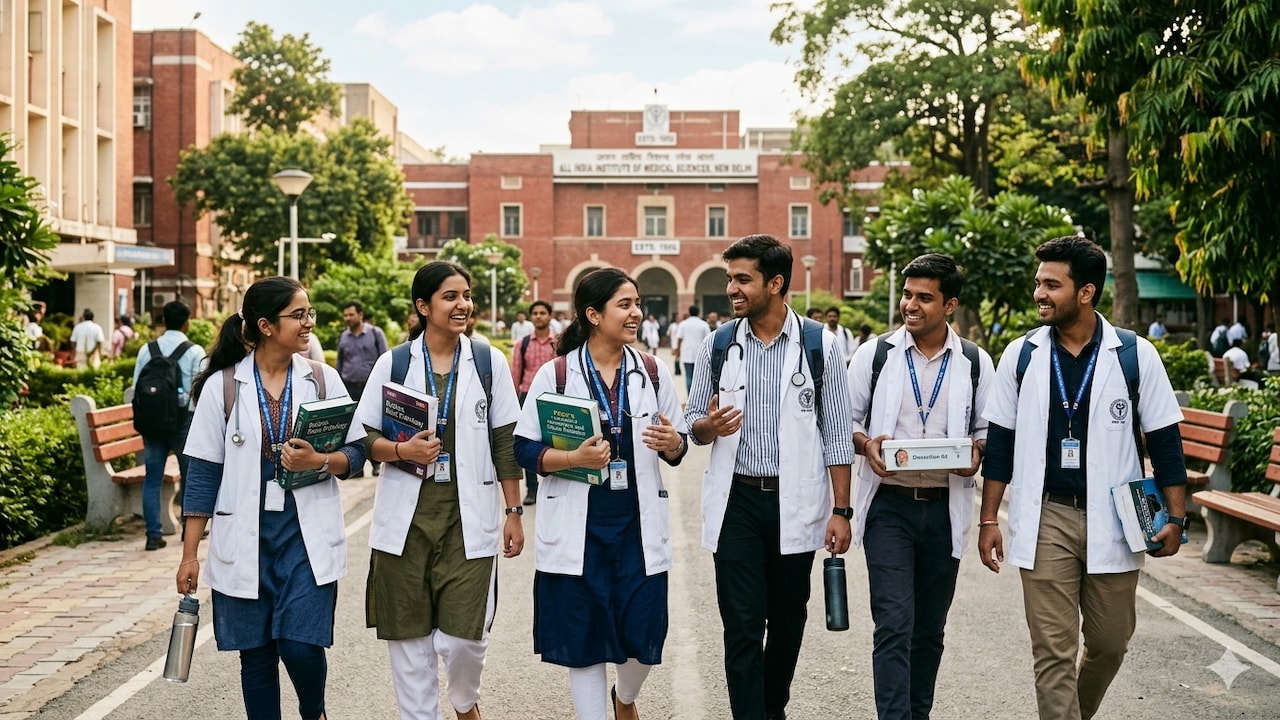
Beyond bloodline: How donated milk is saving India’s most vulnerable newborns
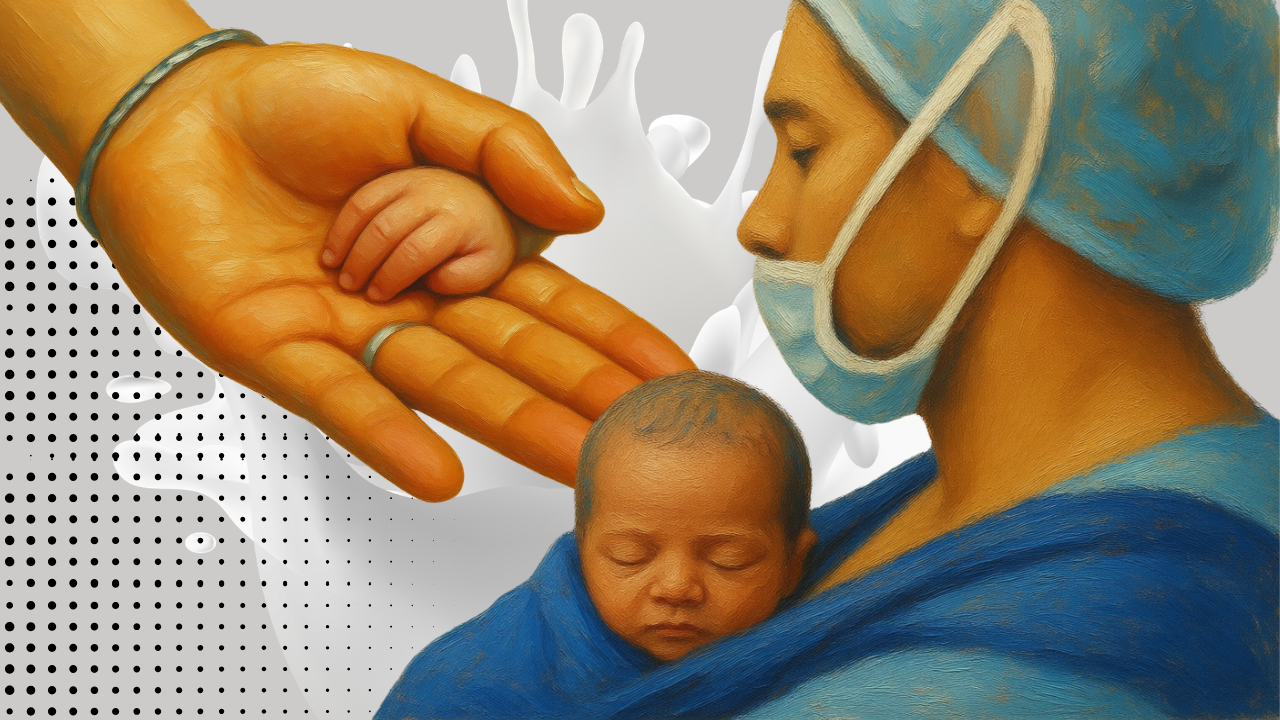
For most mothers, the first act after childbirth is to hold their baby close and feed. But for some newborns, that moment never comes. Their mothers may be critically ill, separated from them, or, in the most heartbreaking cases, no longer alive. For a premature baby weighing just a few hundred grams, waiting is not an option. This is where another mother can step in.
Human milk banks in India are built around a quiet act of generosity: a lactating mother donates milk her own baby does not need, and through a carefully regulated medical system, that milk reaches a newborn whose own mother cannot provide it. “Milk bank helps one mother save the baby of another mother,” said Dr Poonam Sidana, director of neonatology and paediatrics at CK Birla Hospital, Delhi.
The idea may sound straightforward, but behind every bottle is a mother who has agreed to share something deeply personal, and another family placing its trust in a system to provide their fragile newborn with the safest possible nourishment.
Dr Satish Tiwari, founder and convener of the Human Milk Banking Association of India and professor of paediatrics, has spent decades trying to expand that system. He traces the movement in India to 1989, when the first human milk bank in India and Asia was established at Sion Hospital in Mumbai by Dr Armida Fernandes. By the mid-1990s, Tiwari had begun exploring milk banking while working on maternal and child nutrition. “What we realised was that milk banks are needed not only in Mumbai or Surat or Udaipur, but it is a requirement all over India,” he said.
The babies who need donor human milk are often those who have been separated from their mothers for reasons beyond anyone's control. A newborn may be admitted to a NICU at 500g or 700g, born at seven or eight months of gestation and too weak to breastfeed. The mother may have to return home while the baby remains in hospital. “Mother may not be available for months when he is admitted in a neonatal care unit,” Tiwari said. Then there are babies whose mothers have died, as well as abandoned newborns and babies whose mothers are temporarily unable to breastfeed.
In such situations, the conventional fallback has often been formula or other substitutes. But for a vulnerable premature baby, human milk can make an important difference. “If you feed on mother's milk, which is through the milk bank, then the child's improvement or the child's outcome as far as his life is concerned becomes much, much better,” Tiwari said.
For premature and low-birth-weight infants, the issue is not simply about calories. Their digestive and immune systems are still developing, making them especially vulnerable to infections and serious complications. Sidana said the strongest evidence for donor human milk is in premature and low-birth-weight infants, particularly in reducing the incidence of necrotising enterocolitis, or NEC, a severe condition that can damage the intestine and, in serious cases, lead to infection and death. “Donor human milk is believed to bring down the incidence of necrotising enterocolitis and some infections more than formula does in premature babies,” she said.
Donating milk is a carefully regulated medical process. Mothers are screened for infectious diseases, and the milk is pasteurised and tested before being stored. It is then prescribed by doctors and fed to the most vulnerable infants. This ensures safety and maintains trust in the system.
Despite the benefits, there are far more needy babies than donor mothers. India's milk banks often struggle to meet demand, particularly in smaller cities and rural areas. Health experts argue that expanding the network of milk banks and encouraging more mothers to donate could save thousands of lives each year.
For the mothers who donate, the act is small but carries enormous human meaning. It is a gift that crosses the boundaries of bloodline and biology, offering a fragile newborn the best possible start in life. As Dr Sidana put it, it is one mother saving the baby of another.