Apple Hikes Mac, iPad, and HomePod Prices in India by Up to 46%
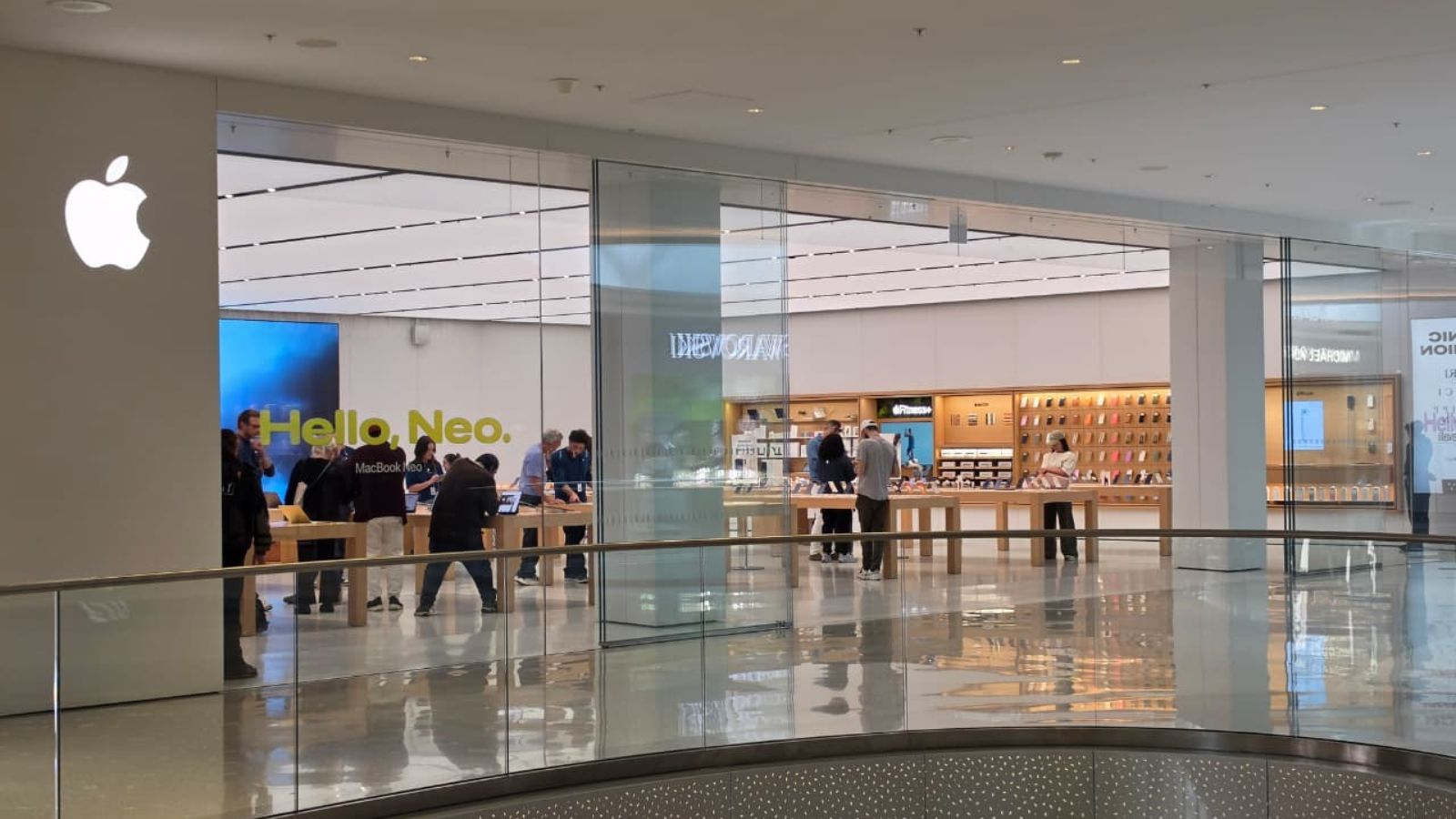
Apple has raised prices across its Mac, iPad, and HomePod lineups in India, with increases ranging from 14% to nearly 46%. The price revision, which took effect this month, follows a warning from outgoing CEO Tim Cook that cost increases were "unavoidable" due to rising memory chip prices.
The Apple Online Store in India now reflects the new pricing. Among the steepest hikes, the HomePod Mini jumped from Rs 10,900 to Rs 15,900 — a 45.87% increase. The standard HomePod rose from Rs 32,900 to Rs 44,900. In the iPad range, the 11-inch iPad Air saw a 30.82% rise, from Rs 64,000 to Rs 84,900, while the 11-inch iPad Pro increased from Rs 99,900 to Rs 1,19,900.
The Mac lineup also saw significant increases. The base MacBook Pro went up by Rs 50,000 to Rs 2,39,900. The MacBook Air (512GB model) rose by Rs 18,000, and the MacBook Neo — Apple's most affordable laptop — climbed from Rs 69,900 to Rs 79,900, a 14.31% increase. Notably, iPhone prices remained unchanged.
Analysts attribute the price hikes to a shortage of memory chips such as DRAM and NAND flash, driven largely by AI companies purchasing large volumes for data centres. This has reduced supply for consumer electronics, pushing memory costs higher. "The AI-driven memory shortage is now showing up in consumer prices at a scale we haven't seen before," said Francisco Jeronimo, vice president at IDC.
Apple's decision to leave iPhone prices unchanged suggests a strategic focus on its most revenue-generating product. "Since the iPhone generates more than half of the company's revenue, Apple appears focused on protecting iPhone demand while assessing pricing for its next-generation lineup," Jeronimo added.
Despite the increases, Apple may be less affected than competitors due to its premium customer base. "Its customer base is more premium, less price-sensitive, and many buyers upgrade through trade-in and instalment programmes, reducing the impact of higher sticker prices," Jeronimo noted.
The price revision reflects a broader trend of device makers passing on component cost increases to consumers. Apple stated it can no longer absorb the higher costs, a stance echoed by other manufacturers facing similar pressures.