Amritsar Police Chief Transferred After Terror Bust and Jantar Mantar Remarks; Timing Questioned
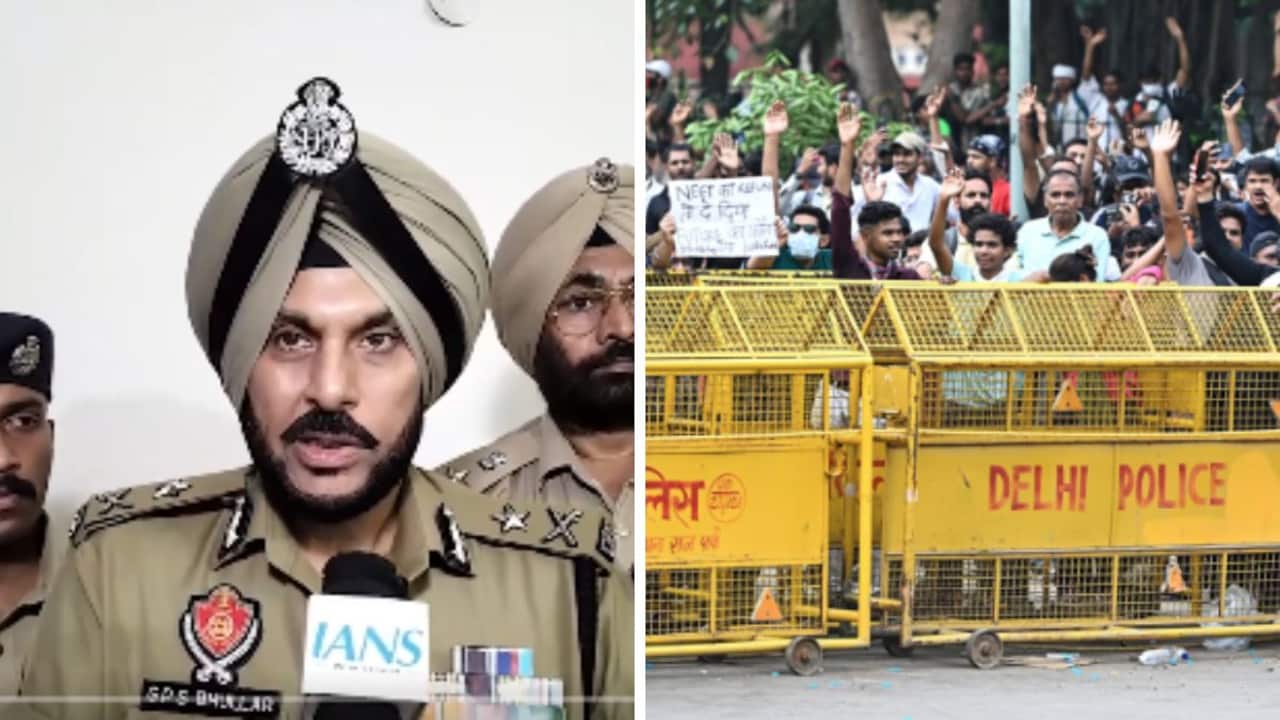
The Punjab government has transferred Amritsar Police Commissioner Gurpreet Singh Bhullar days after the force announced a major breakthrough against alleged Pakistan-backed terror modules. The move has raised questions about whether the timing is linked to Bhullar's public remarks on a suspected plot connected to the Jantar Mantar protests in Delhi.
The Amritsar police commissionerate had announced the arrest of nine people, including four minors, and the recovery of three pistols, nine live cartridges, and four petrol-bottle bombs. According to police, the accused were acting at the behest of foreign-based Inter-Services Intelligence (ISI) handlers and were conducting surveillance of security installations. The operation was seen as a significant success for the state's counter-terrorism efforts.
During a press briefing on August 4, Bhullar stated that the investigation had revealed that some of those arrested had visited Jantar Mantar, carried out reconnaissance, and allegedly planned to target protesters with petrol bombs. This statement drew immediate attention, as Jantar Mantar had been the site of ongoing protests by various groups, including farmers and wrestlers, against the central government.
The Punjab government later issued a clarification, saying that Bhullar had not stated that the accused were participants in the Jantar Mantar protests or that the protesters had any links with the terror module. The government asserted that selective editing of the police commissioner's remarks had created a “wrongful impression” that the arrested individuals were associated with the protesters.
Bhullar's transfer, coming soon after these remarks, has led to speculation about whether the controversy over his statement played a role in the decision. However, there has been no official confirmation from the state government linking the transfer to the Jantar Mantar remarks. Officials have declined to comment on the specific reasons for the transfer, citing administrative policy.
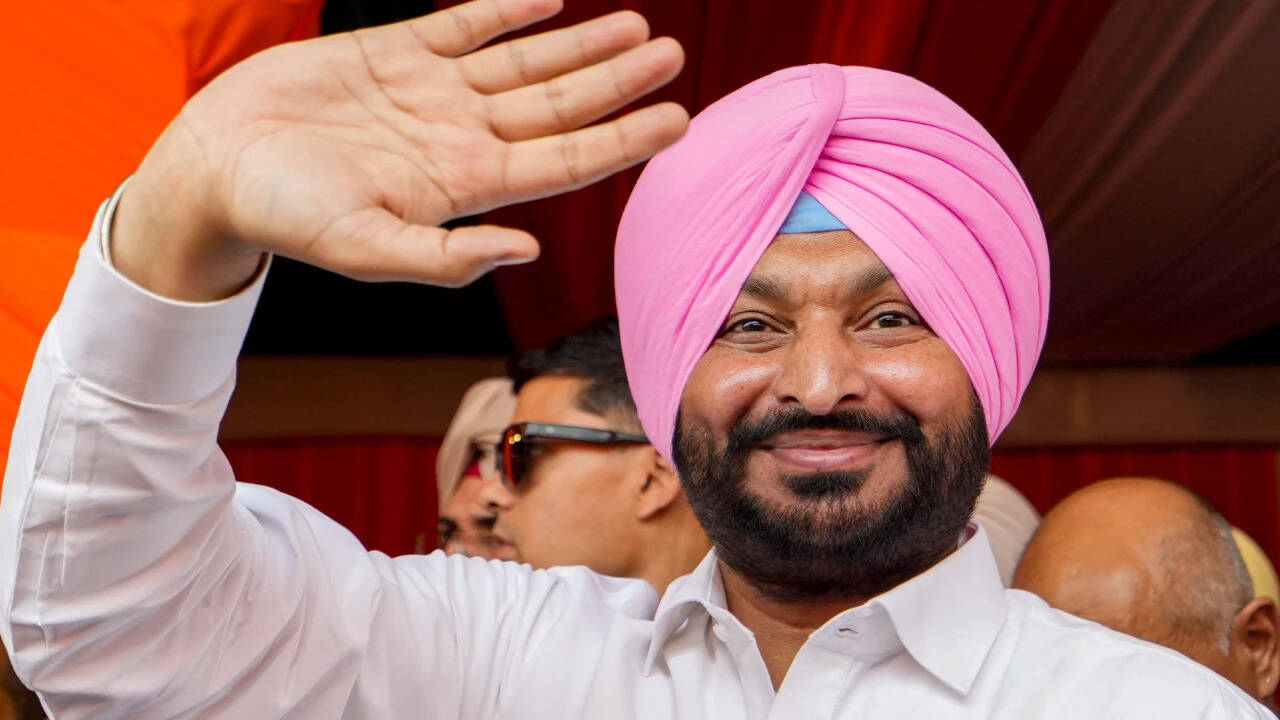
The timing has also given the episode a political dimension. Critics of the Aam Aadmi Party (AAP) government in Punjab have frequently accused Bhullar of being close to the party, with some describing him as an “extended arm” of the ruling dispensation. Former Union Minister of State Ravneet Singh Bittu, a critic of the state government, said, “The timing of Gurpreet Bhullar's transfer is bound to raise eyebrows. Did his accurate revelations about the alleged Jantar Mantar plot trouble Kejriwal?” Bittu's remarks reflect a broader pattern of political sparring over the handling of security matters in Punjab, which has faced periodic threats from cross-border terrorism.
This transfer occurs against the backdrop of heightened security concerns in the region. Punjab shares a sensitive border with Pakistan, and the state has witnessed past incidents of terrorism. The police operation led by Bhullar was seen as a proactive step in addressing these threats, making the sudden change in leadership particularly notable.
Experts and observers note that police transfers are routine in India, but the proximity of this decision to a high-profile statement has made it a matter of public interest. Without an official explanation, the reasons for the transfer remain unclear. It is essential to await factual details rather than jump to conclusions, given the serious security implications and the need for public trust in law enforcement.
The development also underscores the challenge of communicating sensitive counter-terrorism information in a politically charged environment. The police chief's original remarks, taken in full, appeared to describe a threat, not an assertion of protesters' involvement. Yet, the release of snippets on social media amplified a different interpretation.
As the story evolves, it will be important for both the government and the police to maintain transparency, ensuring that neither security operations nor administrative decisions are perceived as politically motivated. The public deserves clarity, particularly when questions involve the integrity of a police officer who oversaw a major counter-terrorism victory.