Amid E20 Rollout, CEA Suggests E10 Option for Older Vehicles; Industry Dissents
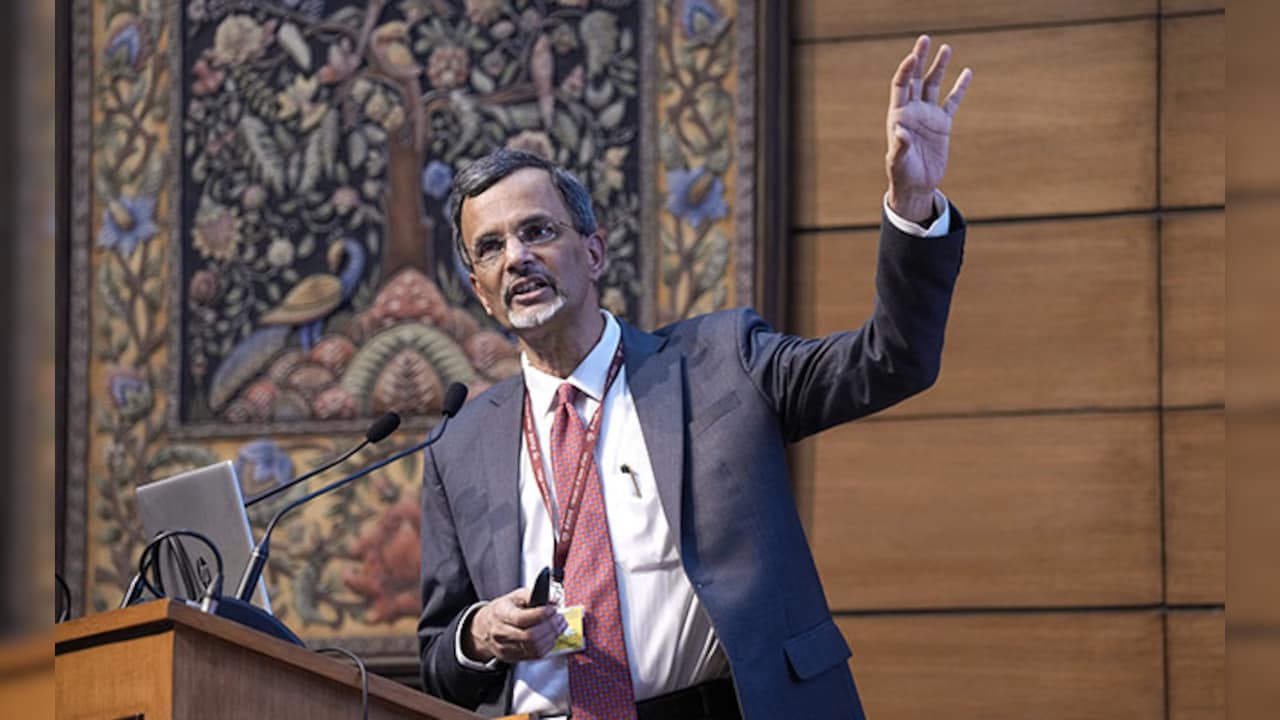
India's Chief Economic Adviser (CEA), V. Anantha Nageswaran, has reignited a debate on the country's ethanol-blending policy by proposing that older vehicles be given the option to use E10 petrol, even as the nation transitions to E20 (20 per cent ethanol blend). In an op-ed co-authored with Akash Poojari, Nageswaran argued that while the broader ethanol programme should continue, practicality demands a parallel fuel option for the large number of vehicles not designed for higher blends.
The proposal stems from concerns about compatibility. India has an estimated 75 to 80 million two-wheelers and many older cars that were built for E10. According to Nageswaran, higher ethanol content can degrade rubber seals and fuel-system components in such vehicles, especially those with carburettors. He wrote that restoring E10 at the pump, alongside E20, would "calm public concern, lower total ethanol use instead of raising it, and protect the existing fleet while the retrofit programme catches up."
The CEA also addressed claims that ethanol significantly reduces fuel efficiency. He clarified that since ethanol constitutes only a fifth of the blend, the energy penalty is around 6 to 7 per cent, not the 30 per cent often cited. However, he acknowledged that older vehicles face genuine material compatibility issues, which are independent of engine temperature.
The debate over E10 versus E20 is part of a larger policy question: how fast should India transition to higher ethanol blends, and who bears the cost? The ethanol programme aims to reduce dependence on imported crude oil and create a domestic market for sugarcane and maize. Yet, for owners of older vehicles, higher ethanol content can mean lower mileage and potential long-term damage. Nageswaran also raised the food-versus-fuel dilemma, noting that increased ethanol demand has implications for land, water, and food security.
His suggestion has drawn political attention. Former Delhi Chief Minister Arvind Kejriwal shared the article on X, questioning whether Prime Minister Narendra Modi would heed the CEA's advice or replace him, as he said Modi "always does to dissenting voices."
The ethanol industry has responded critically. Kushal Mittal, Vice President of the All India Distillers' Association (AIDA), said India should not roll back a carefully evaluated policy based on sentiment. He stressed that "scientific evidence, extensive testing and objective data must guide our energy policy." Mittal pointed out that the E20 rollout was preceded by pilot trials starting in 2016 and comprehensive evaluations in 2022.
The disagreement highlights a challenge in India's energy transition: balancing environmental and economic goals with the reality of an ageing vehicle fleet. While newer vehicles are increasingly designed to handle E20, millions of older ones remain in use. Replacing or retrofitting them will take years. Nageswaran's proposal offers a middle path — keeping E20 for new vehicles while preserving access to E10 for older ones. However, the industry argues that such a move could create confusion and undermine the government's commitment to its ethanol roadmap.
Ultimately, the decision rests on how policymakers weigh long-term energy security against immediate consumer concerns. The CEA's suggestion is not a call to abandon E20, but rather a pragmatic step to ensure that no section of vehicle owners is left behind during the transition. Whether the government adopts this dual-fuel approach remains to be seen.