Akhilesh Yadav's Rajya Sabha Picks: Ram Gopal Yadav, Dhanraj Nathwani Spark PDA Debate
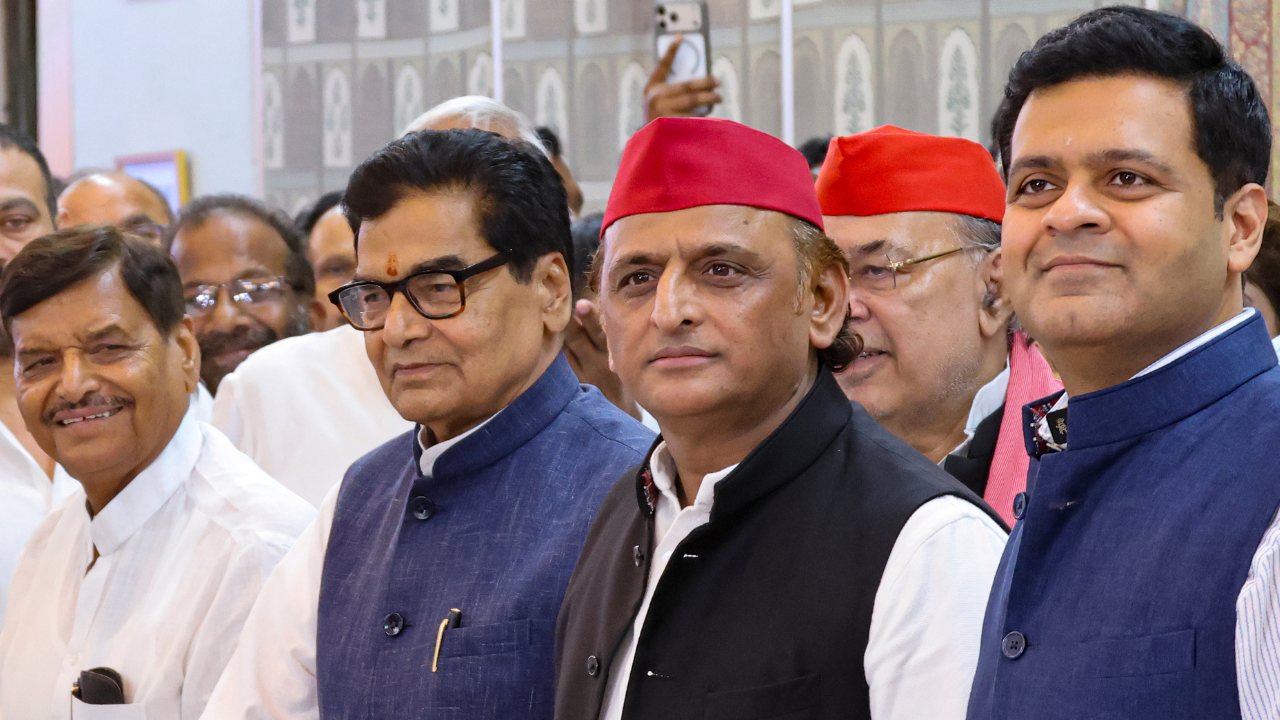
Samajwadi Party national president Akhilesh Yadav has announced the party's candidates for the upcoming Rajya Sabha elections. The nominees are senior party leader Ram Gopal Yadav and Dhanraj Parimal Nathwani, a Gujarat-based businessman. The announcement was made by the party's official communication channels and has been confirmed by senior SP leaders.
The Rajya Sabha elections are held to fill seats that fall vacant as the terms of sitting members end. Members of the Upper House are elected by the elected MLAs of each state through a system of proportional representation. Uttar Pradesh, with 31 Rajya Sabha seats, is a key state in these elections. The Samajwadi Party, as the principal opposition party in the UP Assembly, has the strength to nominate candidates based on its legislative majority.
Ram Gopal Yadav is a veteran of the Samajwadi Party. He is the party's national general secretary and has been a member of the Rajya Sabha multiple times. A close relative of Akhilesh Yadav, he is considered one of the party's key strategists and has often represented the SP's position in Parliament. His re-nomination is seen as a continuation of the party's core leadership and a move to maintain stability within the organisation.
Dhanraj Parimal Nathwani, on the other hand, is not a familiar name in Uttar Pradesh politics. He is the son of Parimal Nathwani, a Rajya Sabha MP from Jharkhand and a senior executive in a major corporate group. Dhanraj Nathwani is based in Gujarat and has business interests. His entry into the SP's Rajya Sabha list has prompted questions about how it fits with the party's PDA (Pichhda, Dalit, Alpasankhyak) agenda, which focuses on the representation of backward classes, Dalits, and minorities.
The PDA formula was coined by Akhilesh Yadav to unite these communities, and it has been the party's central plank in recent electoral battles. Critics have asked whether the nomination of a Gujarat-based businessman, who does not belong to any of the PDA categories, contradicts the party's stated commitment to social justice. Supporters, however, argue that the SP is a national party and that bringing in individuals from different backgrounds can broaden its appeal and bring in resources.
The party has not yet issued a detailed statement explaining the rationale behind Nathwani's selection. The Samajwadi Party has been trying to expand its footprint beyond Uttar Pradesh. In recent years, it has sought alliances with regional parties and has attempted to project itself as a national alternative. The Rajya Sabha nominations are being viewed in this context. While Ram Gopal Yadav's nomination ensures continuity, Nathwani's inclusion may be an attempt to reach out to the business community and to Gujarat, a state where the SP has traditionally had a limited presence.
The Bharatiya Janata Party, which dominates UP politics, has not yet reacted to the nominations. The Congress and other opposition parties are also yet to respond. The elections are expected to be held soon, and the results will depend on the number of MLAs each party has in the Uttar Pradesh Assembly. The Rajya Sabha is the permanent house of Parliament, and its members serve six-year terms. One-third of its members retire every two years.
The next Uttar Pradesh Assembly elections are due in 2027. The Samajwadi Party's performance in those elections will depend on its ability to maintain its core vote bank while attracting new support. The Rajya Sabha nominations are an early indication of how the party plans to balance these priorities.
The debate over the nominations reflects a larger question: can a party focused on identity-based social justice simultaneously accommodate corporate and non-PDA faces? For the Samajwadi Party, the answer may lie in the upcoming Rajya Sabha polls. As of now, the party is presenting a united front, with Akhilesh Yadav leading the charge. What is clear is that the nominations have sparked a conversation about the party's priorities. Whether it is a master strategy or a PDA contradiction, only time and electoral outcomes will tell.